
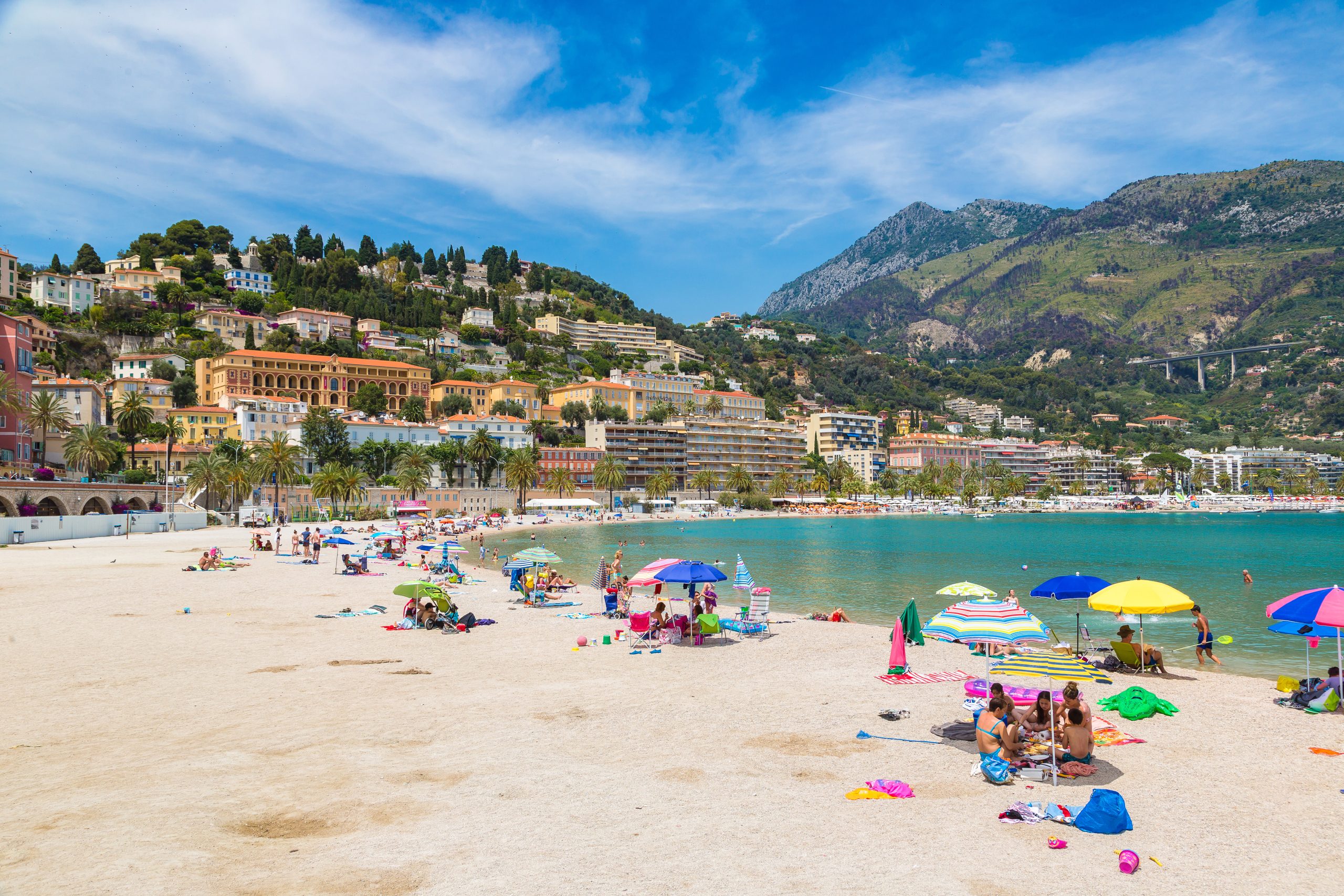
When the French take a vacation, they don’t go to Paris — they go to one place above all others.
Ask any French person where they dream of spending their summer vacation, and the answer is almost always the same: the South of France.
But not the glitzy French Riviera with its yacht-filled harbors and €30 beach chairs. The French flock to a broader region that stretches from the Mediterranean coast through lavender-scented hills to medieval villages perched on clifftops — a sun-drenched area that encompasses Provence, the Côte d’Azur, Languedoc, and the French Riviera hinterland.
This is where French families rent vacation homes for the entire month of August. Where Parisians dream of retiring. Where the lifestyle — long lunches under plane trees, evening markets, rosé at sunset — represents the French ideal of la belle vie.
Here’s why the South of France is where French people go on vacation, and where you should go to experience France the way the French do.
🌞 Why the South of France?
The Weather
The South has what the rest of France doesn’t: guaranteed sunshine. While Paris can be gray and rainy even in summer, the South enjoys 300+ days of sun annually.
Summer temperatures hover around 28–32°C with low humidity. The famous Mistral wind keeps the air clear and fresh. Even in spring and fall, the weather is warm enough for outdoor dining and beach days.
For sun-starved northern French, this reliable weather is irresistible.
The Lifestyle
The South embodies the French fantasy of the good life — long, leisurely meals with local wine, afternoon siestas, evening strolls through village squares, markets overflowing with fresh produce, and a pace of life that prioritizes pleasure over productivity.
This is where the French come to slow down, reconnect with family, and remember what matters. It’s not about sightseeing or checking off attractions — it’s about living well.
The Diversity
Within a few hours’ drive, you can experience Mediterranean beaches, Alpine foothills, Roman ruins, medieval villages, lavender fields, vineyards, and dramatic gorges. The South offers endless variety while maintaining that essential southern character.
The Food and Wine
The South produces France’s most sun-soaked cuisine — ratatouille, bouillabaisse, tapenade, socca, fresh seafood, and vegetables that actually taste like something. The wines (Côtes de Provence rosé, Châteauneuf-du-Pape, Bandol) are made for long lunches and warm evenings.
This is food that celebrates the region’s abundance — olive oil, tomatoes, herbs, garlic, and seafood fresh from the Mediterranean.
🏖️ Where Exactly Do They Go?
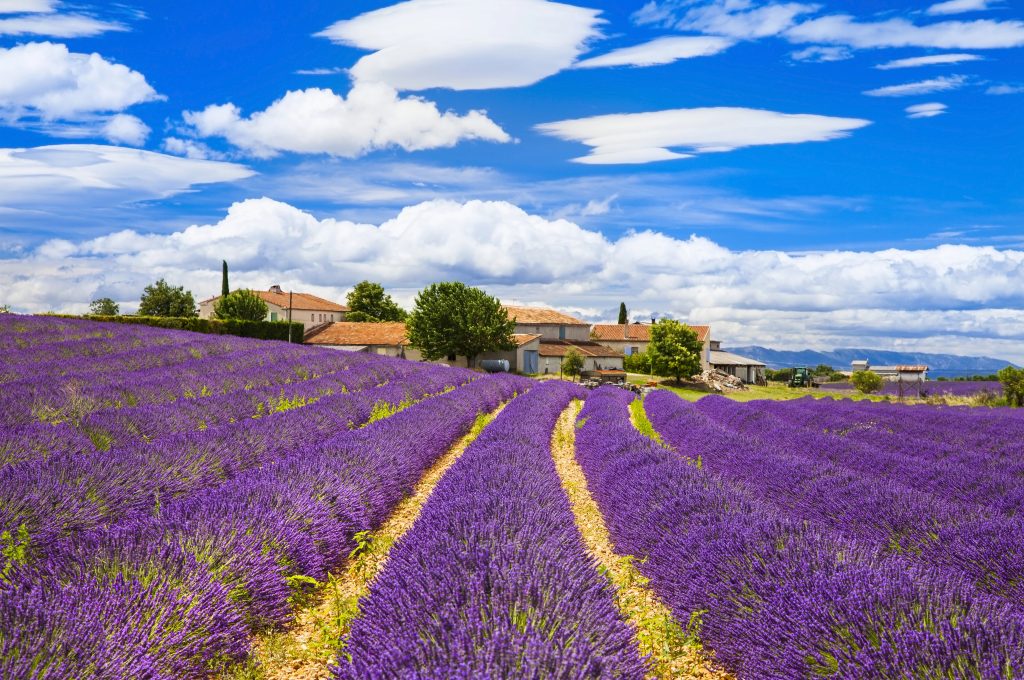
Provence
What it is: The heart of southern France — lavender fields, hilltop villages, Roman ruins, and markets overflowing with local produce.
Why French people love it: Provence represents the idealized French countryside. Villages like Gordes, Roussillon, Lourmarin, and Ménerbes offer stone houses, shaded squares, and that perfect Provençal light that attracted painters like Cézanne and Van Gogh.
What to do:
- Explore hilltop villages in the Luberon region
- Visit weekly markets (every village has one)
- Drive through lavender fields (peak bloom: late June–July)
- Tour Roman ruins in Arles, Nîmes, and Orange
- Hike in the Alpilles mountains
- Wine taste in Châteauneuf-du-Pape
Where to stay: Rent a farmhouse or villa in the countryside. French families often rent for a full month, using it as a base for day trips.
The Côte d’Azur (French Riviera)
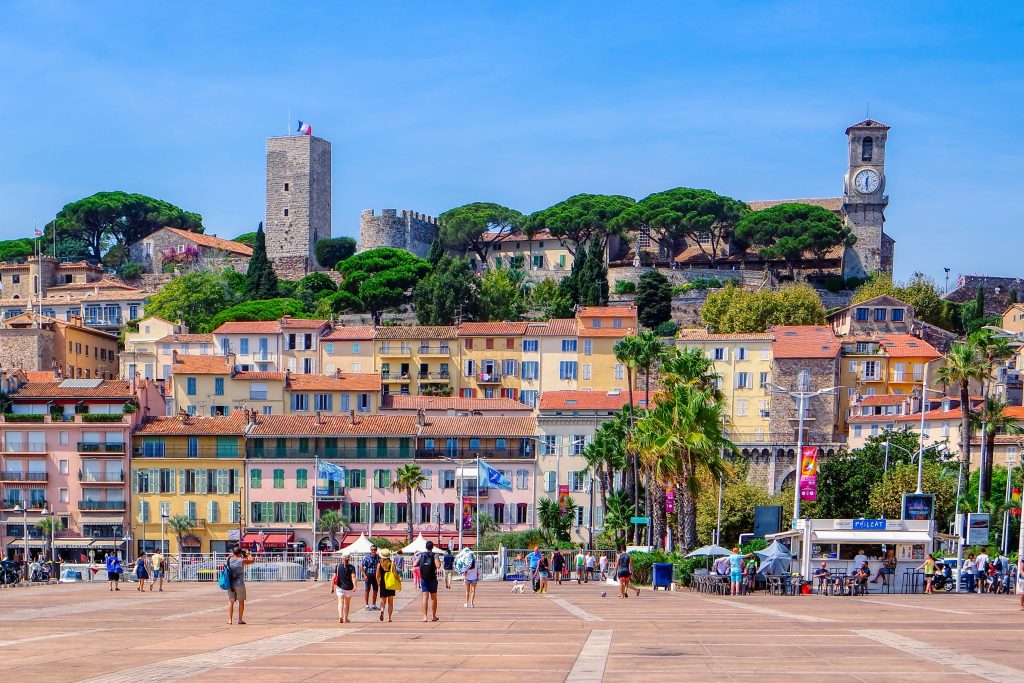
What it is: The Mediterranean coastline from Toulon to the Italian border — beaches, coastal towns, and dramatic landscapes.
Why French people love it: Despite its international reputation, the Riviera remains a French vacation staple. But locals avoid the famous beaches, instead seeking out hidden coves, coastal hiking trails, and authentic fishing villages.
What to do:
- Swim in the Calanques (dramatic limestone coves near Marseille and Cassis)
- Hike the coastal path (Sentier du Littoral)
- Explore Porquerolles and Port-Cros islands
- Visit Menton (lemon capital, near Italy)
- Discover hilltop villages like Èze and Saint-Paul-de-Vence
- Eat fresh seafood in Cassis or Sanary-sur-Mer
Where to stay: Rent apartments in smaller coastal towns like Cassis, Bandol, or Sanary rather than Nice or Cannes.
Languedoc
What it is: The Mediterranean coast west of the Rhône River — long sandy beaches, medieval cities, and wine country.
Why French people love it: Languedoc offers the Mediterranean experience without Riviera prices or crowds. The beaches are longer and sandier, the towns more authentic, and the overall vibe more relaxed.
What to do:
- Explore Montpellier (vibrant university city)
- Visit the medieval walled city of Carcassonne
- Swim at beaches near Sète or Collioure
- Tour the Canal du Midi by boat or bike
- Wine taste in Corbières or Minervois
- Hike in the Cévennes mountains
Where to stay: Rent houses near the coast or in wine country villages.
The Var
What it is: The department between Provence and the Riviera — a mix of coast, countryside, and medieval villages.
Why French people love it: The Var offers the best of both worlds — Mediterranean access and Provençal countryside, without the extreme prices or crowds of the Riviera.
What to do:
- Explore Cotignac (village built into a cliff)
- Visit Thoronet Abbey (stunning Cistercian architecture)
- Swim at Plage de Gigaro or beaches near Hyères
- Hike in the Massif des Maures
- Tour Bandol wine region
- Discover Moustiers-Sainte-Marie and the Gorges du Verdon
Where to stay: Inland villages offer authentic experiences and lower prices than the coast.
🏡 How the French Vacation in the South
The Month-Long Rental
Many French families rent a house or apartment for the entire month of August (or July for those who can avoid peak season). This isn’t about rushing from sight to sight — it’s about settling in and living like a local.
Days follow a rhythm: morning market visits, lunch that stretches into the afternoon, siesta, evening aperitif, late dinner. Some days involve excursions; others are spent reading by the pool or at the beach.
The Ritual of the Market
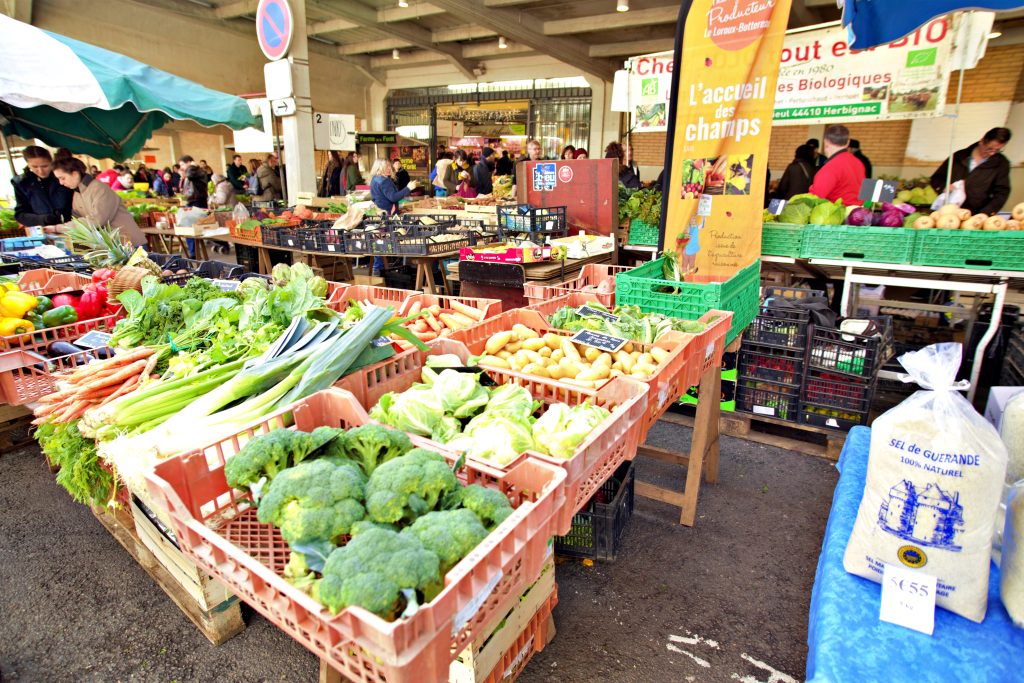
Every village has a weekly market, and visiting it becomes a vacation ritual. French families shop for fresh produce, cheese, bread, olives, and flowers, then return to their rental to prepare long lunches.
The market isn’t just shopping — it’s social, sensory, and central to the southern French experience.
Aperitif Culture
As the day cools, the French gather for apéro — pre-dinner drinks (usually rosé or pastis) with simple snacks (olives, tapenade, anchoïade). This happens on terraces, in village squares, or at home with friends.
Apéro can last hours, blurring into dinner. It’s about conversation, relaxation, and savoring the evening.
Beach Days
French beach culture is different from American or British. People arrive late morning (after the market), stay through lunch (bringing picnics or eating at beach restaurants), and leave by late afternoon to avoid the hottest hours.
There’s less emphasis on tanning and more on swimming, reading, and long lunches under umbrellas.
Village Exploration
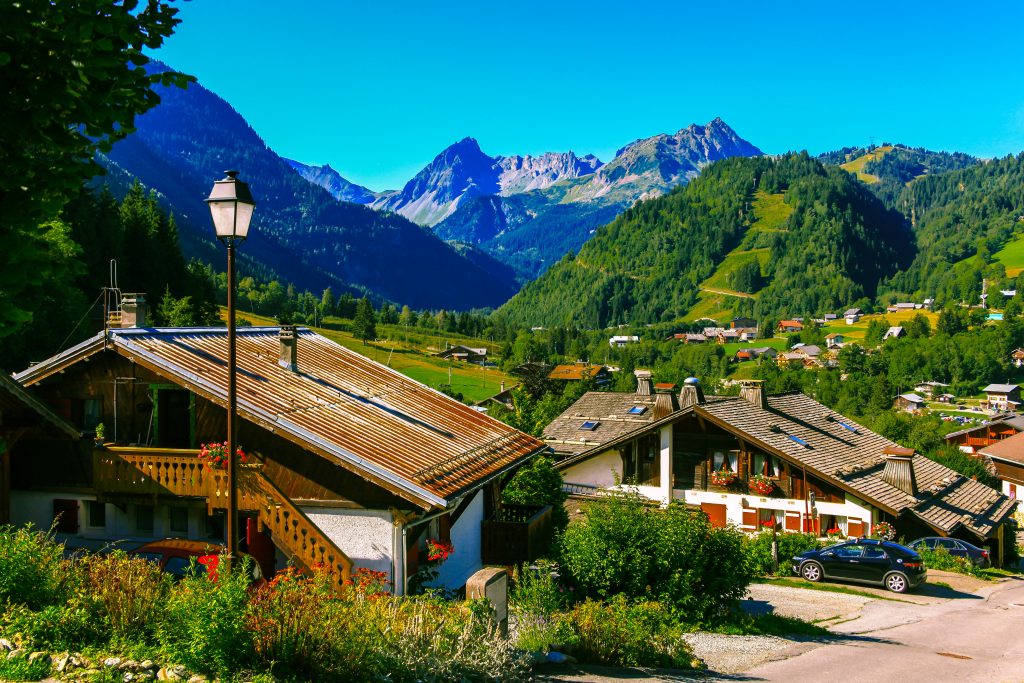
The French love discovering new villages — wandering narrow streets, visiting churches, having coffee in the square, and photographing the inevitable fountain and plane trees.
This isn’t about ticking off famous sites. It’s about stumbling upon beautiful places and enjoying them without agenda.
🍷 What Makes It Special
The Light
The South has a particular quality of light — clear, golden, intense — that has attracted artists for centuries. It makes colors more vivid, shadows sharper, and everything more photogenic.
This light is part of why the South feels magical, especially in early morning and late afternoon.
The Pace
Life moves slower in the South. Shops close for long lunch breaks. Dinner doesn’t start until 8 or 9 PM. Conversations linger. There’s time for everything because time itself feels more abundant.
For stressed Parisians and northern French, this slower pace is therapeutic.
The Outdoors
The South’s reliable weather means life happens outside — meals on terraces, markets in squares, evening strolls, outdoor concerts and festivals. This outdoor lifestyle feels liberating after months of northern gray.
The Authenticity
Despite tourism, much of the South remains authentically French. Villages still have weekly markets, local festivals, and rhythms unchanged for generations. You can still find places where you’re the only foreigner.
💡 How to Experience It Like the French
Rent, Don’t Hotel-Hop
Rent a house or apartment for at least a week, preferably two. Choose a village or small town as your base and settle in. Shop at local markets, cook some meals at home, and live the rhythm of the place.
Avoid August If Possible
August is when all of France vacations simultaneously. Prices spike, beaches crowd, and restaurants fill. June, July, or September offer better weather-to-crowd ratios.
Go Inland
The coast is beautiful but expensive and crowded. Inland villages offer authentic experiences, lower prices, and stunning landscapes — and you’re still only 30–60 minutes from the beach.
Embrace the Rhythm
Don’t pack your days with activities. The French vacation is about slowing down — long meals, afternoon rest, evening strolls. Build in time for doing nothing.
Shop at Markets
Visit weekly markets not just to buy food but to experience local life. Arrive early for the best selection, bring your own bags, and don’t be afraid to ask for tastes.
Drink Rosé
When in the South, drink what locals drink: Provençal rosé. It’s made for the climate, the food, and the lifestyle. Drink it cold, at lunch, with everything.
Learn Basic French
The South sees fewer international tourists than Paris. Basic French (bonjour, merci, s’il vous plaît) goes a long way and shows respect for local culture.
The Bottom Line
The South of France is where French people go to remember what life should feel like — unhurried, sensory, social, and deeply pleasurable.
It’s not about luxury (though that exists). It’s about quality of life — fresh food, good wine, beautiful surroundings, and time to enjoy them all.
The French don’t come here to sightsee. They come to live well, even if just for a few weeks. They come to eat tomatoes that taste like sunshine, swim in clear water, read in the shade, and remember that life is meant to be savored, not rushed through.
Want to vacation like the French? Head south, slow down, and let the rhythm of Provence teach you what they already know: the good life isn’t something you achieve — it’s something you practice, preferably with a glass of rosé and a view of lavender fields.
