
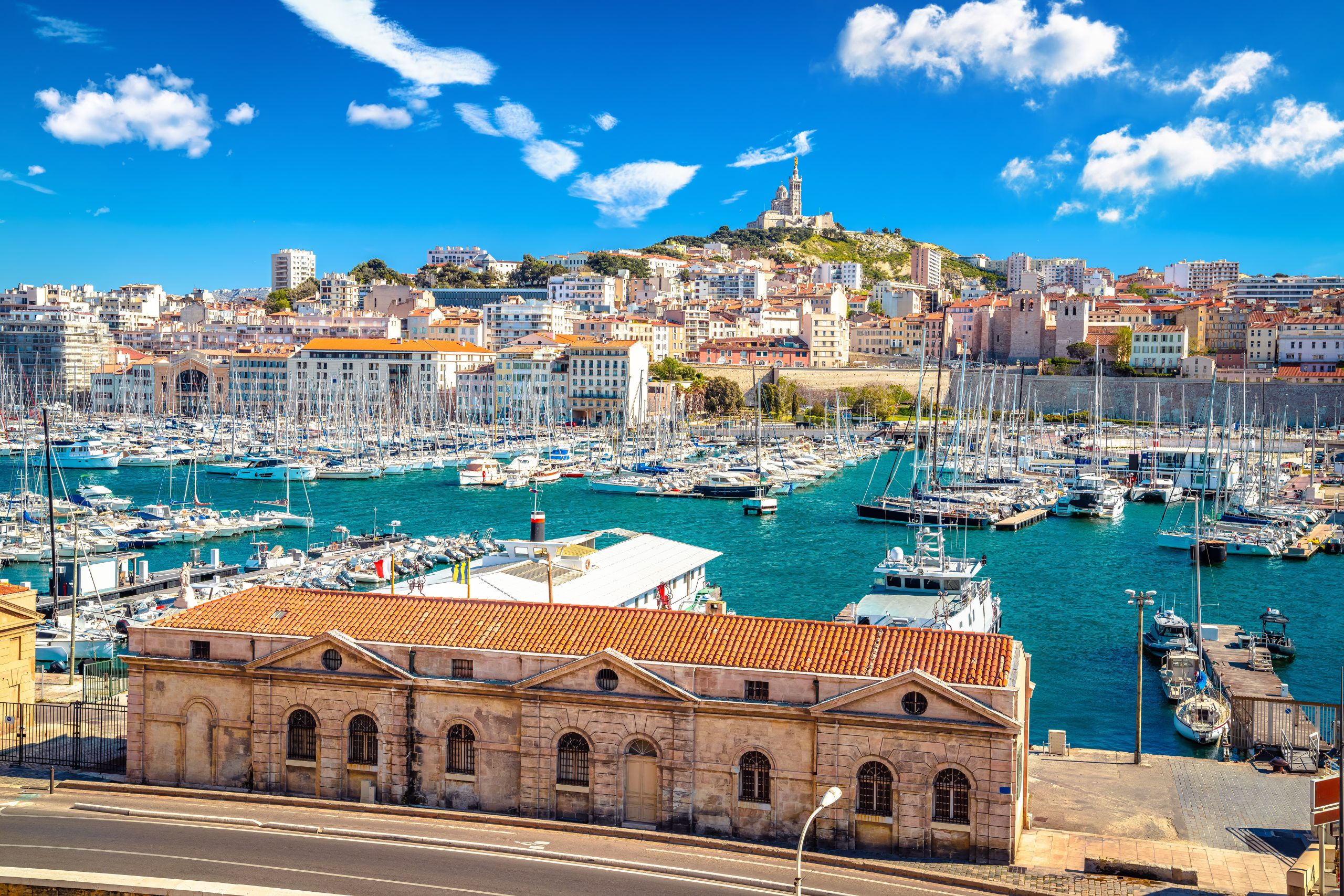
A City Where the Mediterranean Shapes Every Meal
When people imagine French food, they often think of buttery pastries, rich sauces, elegant Parisian bistros, and long countryside lunches.
Marseille has a different story.
As France’s oldest city and one of the Mediterranean’s most important ports, Marseille’s cuisine was shaped by fishermen, traders, immigrants, and sailors arriving from across Southern Europe, North Africa, and the Middle East. The result is one of the country’s most diverse and distinctive food cultures.
Here’s what makes Marseille’s food scene unlike anywhere else in France.
🌊 1. The Sea Is Always at the Center
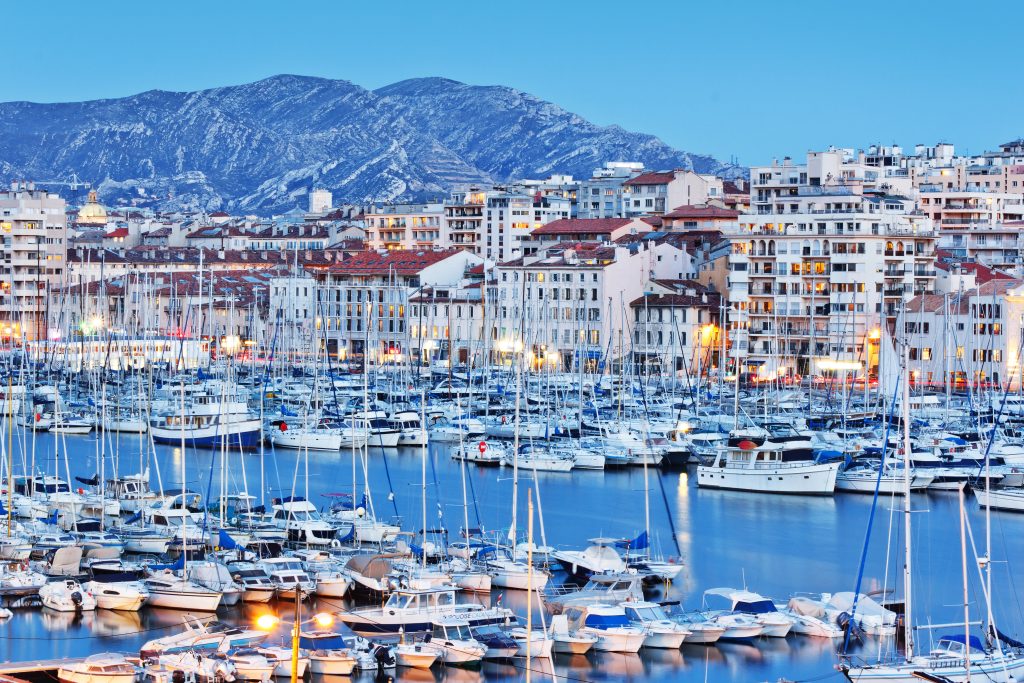
Vieux-Port de Marseille
Unlike many French cities, Marseille’s culinary identity begins with the Mediterranean.
You’ll see:
- daily fish markets
- seafood-focused menus
- local fishing traditions
- recipes passed down through generations
The city’s relationship with the sea is immediate and visible.
🐟 2. Bouillabaisse Is More Than a Dish
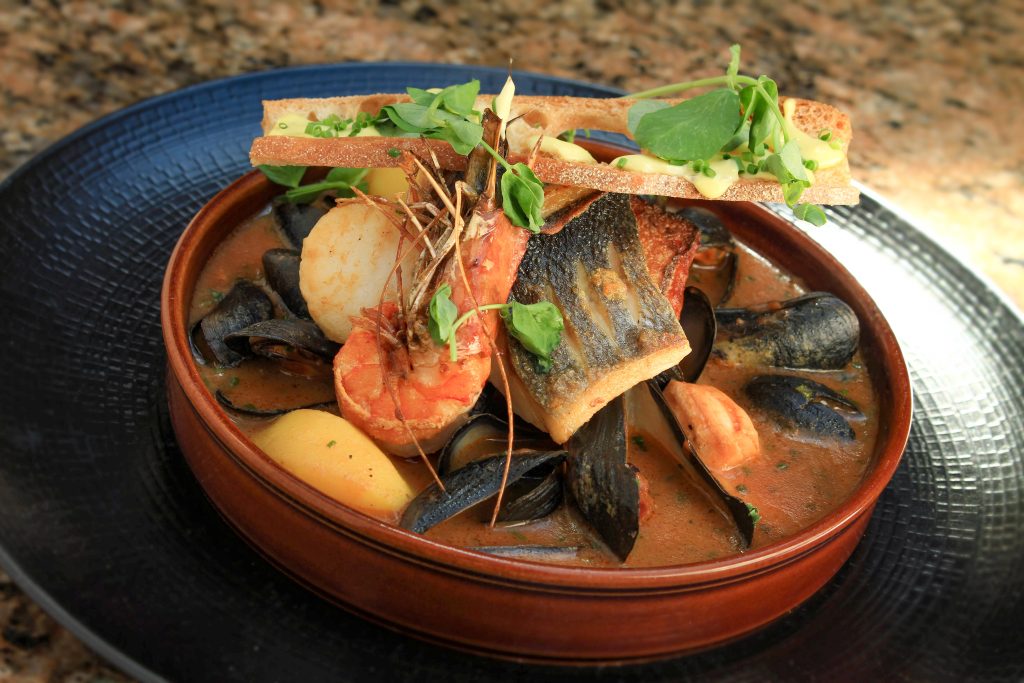
Bouillabaisse
While every region of France has iconic specialties, Marseille’s signature dish tells the story of the city itself.
Originally created by fishermen using less valuable catches, bouillabaisse evolved into one of France’s most famous culinary traditions.
What makes it unique:
- multiple local fish species
- saffron broth
- rouille sauce
- strong maritime roots
It’s a meal deeply connected to place.
🌍 3. Mediterranean Influences Are Everywhere
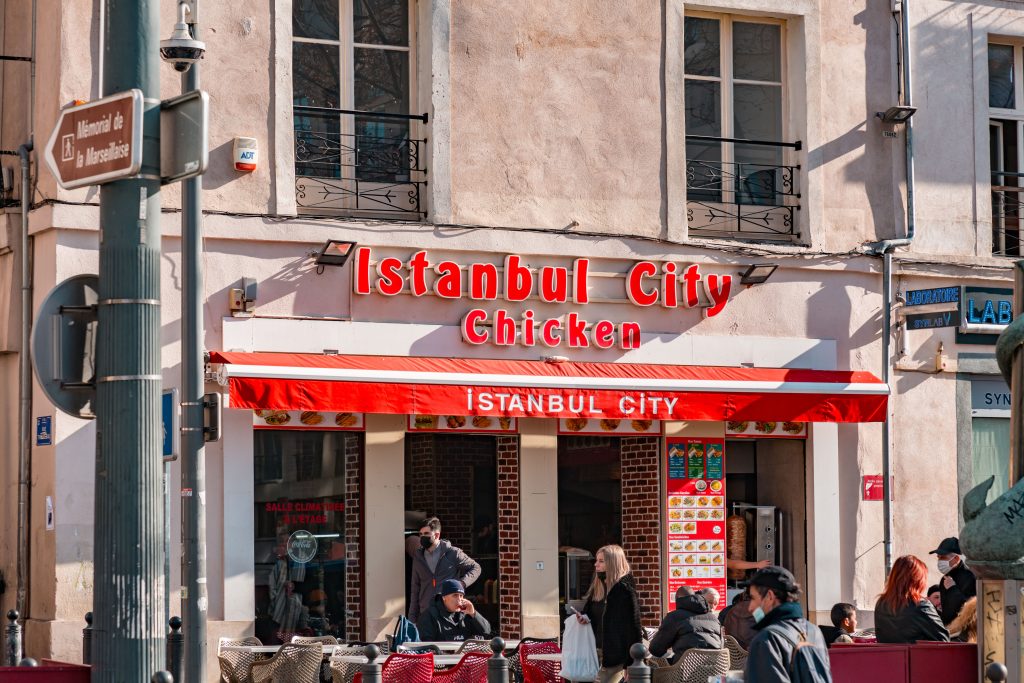
Marseille often feels closer to the Mediterranean than to northern France.
Common ingredients:
- olive oil
- garlic
- tomatoes
- herbs
- fresh vegetables
- seafood
Compared to northern French cuisine:
- lighter sauces
- brighter flavors
- less cream and butter
- stronger Mediterranean influence
🥙 4. Immigration Shaped the City’s Cuisine
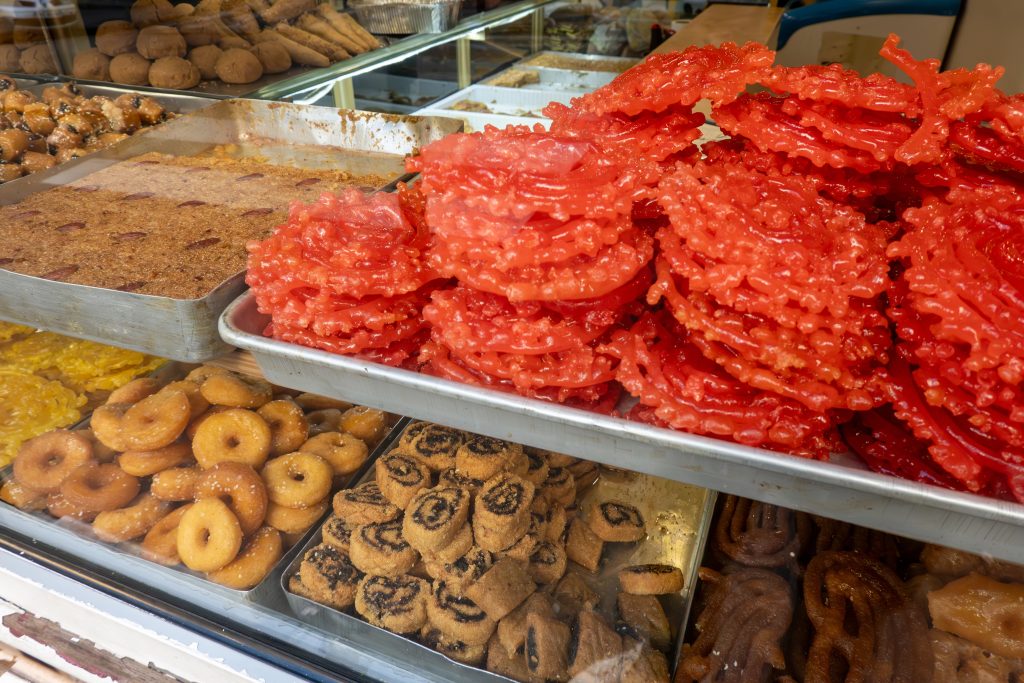
Few French cities have been shaped by migration as much as Marseille.
Generations of arrivals from:
- Algeria
- Morocco
- Tunisia
- Italy
- Corsica
- Lebanon
have left lasting marks on local cuisine.
The result:
You can enjoy traditional Provençal dishes and outstanding couscous within the same neighborhood.
🦑 5. Street Food Plays a Bigger Role
Many French food experiences focus on restaurants.
Marseille also embraces casual eating.
Local favorites:
- Panisse
- seafood snacks
- market foods
- Mediterranean sandwiches
The atmosphere often feels more relaxed and informal.
🧄 6. Simple Ingredients Matter More Than Complexity
While some French cuisines emphasize elaborate preparation, Marseille often celebrates simplicity.
Typical philosophy:
- fresh fish
- good olive oil
- local herbs
- seasonal produce
When ingredients are excellent, they don’t need much transformation.
🍸 7. Aperitif Culture Feels Different
Ricard
Marseille is often considered the spiritual home of pastis culture.
Late afternoons bring:
- terrace gatherings
- long conversations
- sea views
- glasses of pastis diluted with water
The ritual feels distinctly southern and Mediterranean.
🏘️ 8. Neighborhood Food Culture Is Strong
Noailles
Le Panier
Food in Marseille isn’t concentrated in a single prestigious district.
Each neighborhood has its own identity.
Examples:
- Noailles for markets and multicultural cuisine
- Le Panier for cafés and local specialties
- coastal districts for seafood restaurants
Exploring the city often means discovering new flavors.
🌅 9. Meals Feel More Relaxed Than in Many French Cities
Marseille’s food culture reflects its climate.
Expect:
- outdoor dining
- long lunches
- leisurely dinners
- meals centered around conversation
Life moves at a Mediterranean pace.
✨ Final Thought
What makes Marseille’s food scene different isn’t just one dish or ingredient.
It’s the combination of:
- the sea,
- centuries of trade,
- Mediterranean traditions,
- multicultural influences,
- and a relaxed southern lifestyle.
While much of France looks inward toward its regions, Marseille has always looked outward toward the Mediterranean.
And that’s exactly what you’ll taste in every market, terrace, seafood platter, and bowl of bouillabaisse. 🌊🍽️🇫🇷
