
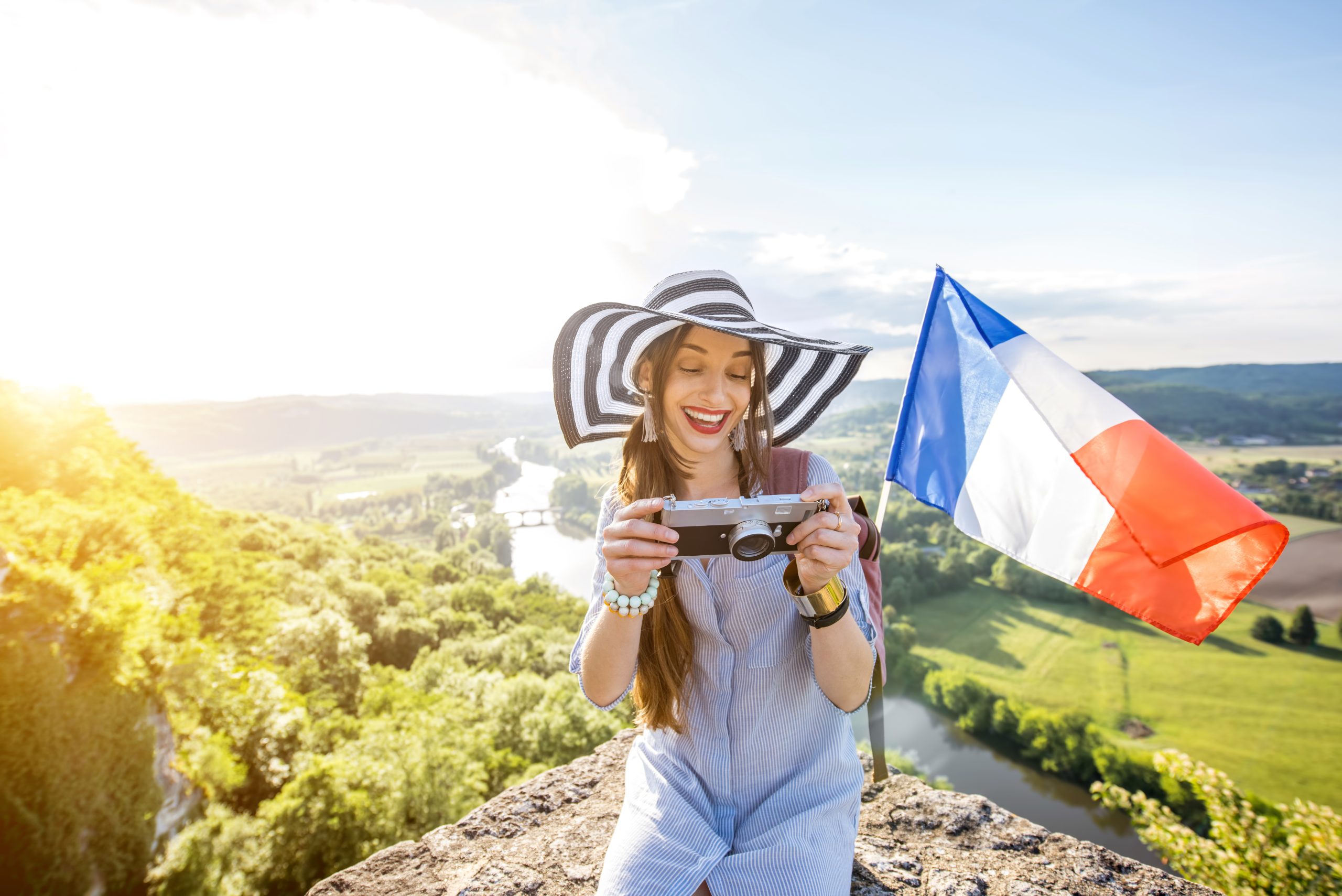
When you visit France, you’ll quickly realize that the French have mastered the art of living well. Beyond the obvious—croissants, wine, and fashion—there are countless small habits that make French daily life distinctly elegant and intentional.
These aren’t grand gestures or tourist attractions. They’re the quiet, everyday rituals that locals practice without thinking, but visitors notice immediately. From how they greet each other to their relationship with food and time, these habits reveal a culture that values quality, respect, and the simple pleasure of doing things well.
🍽️ Food & Dining Rituals
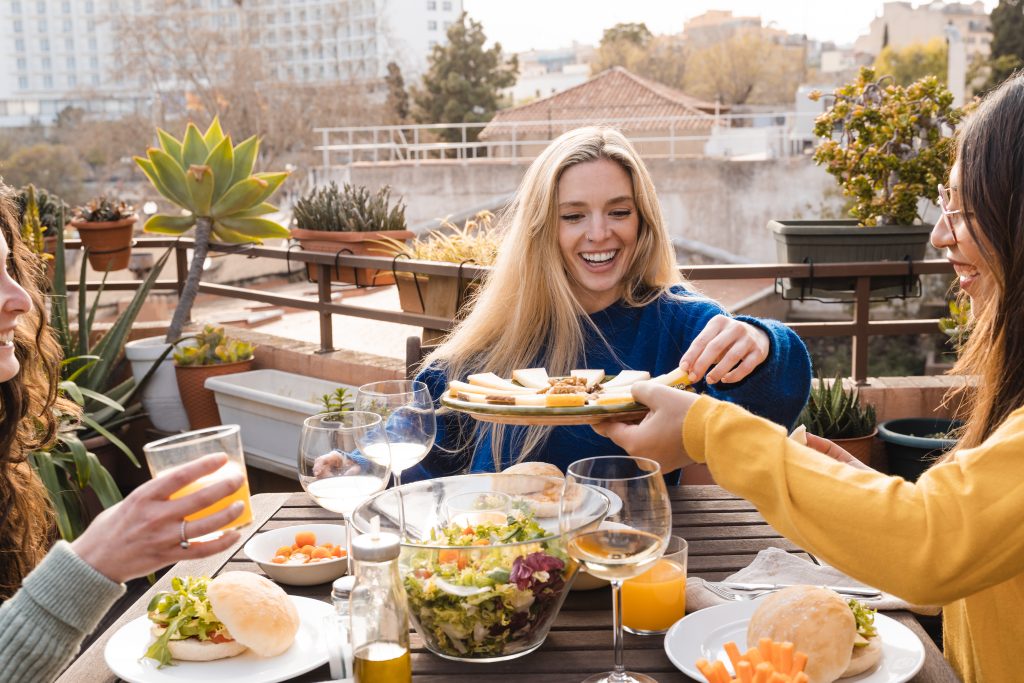
1. The Sacred Lunch Break
What tourists notice:
- Restaurants close between 2-7 PM, and the French actually respect this.
- Even in busy cities, people take proper lunch breaks instead of eating at their desks.
- Lunch conversations are unhurried, often lasting 1-2 hours.
Why it matters: The French treat meals as social events, not fuel stops. This habit reflects their belief that good food deserves proper attention and time.
2. Bread Without a Plate
What tourists notice:
- Bread is placed directly on the table, never on the plate.
- It’s used to push food onto the fork, not eaten as a separate course.
- Fresh bread is bought daily, sometimes twice a day.
Why it matters: Bread is considered a tool for eating, not a side dish. This practical approach shows how deeply food traditions are embedded in daily life.
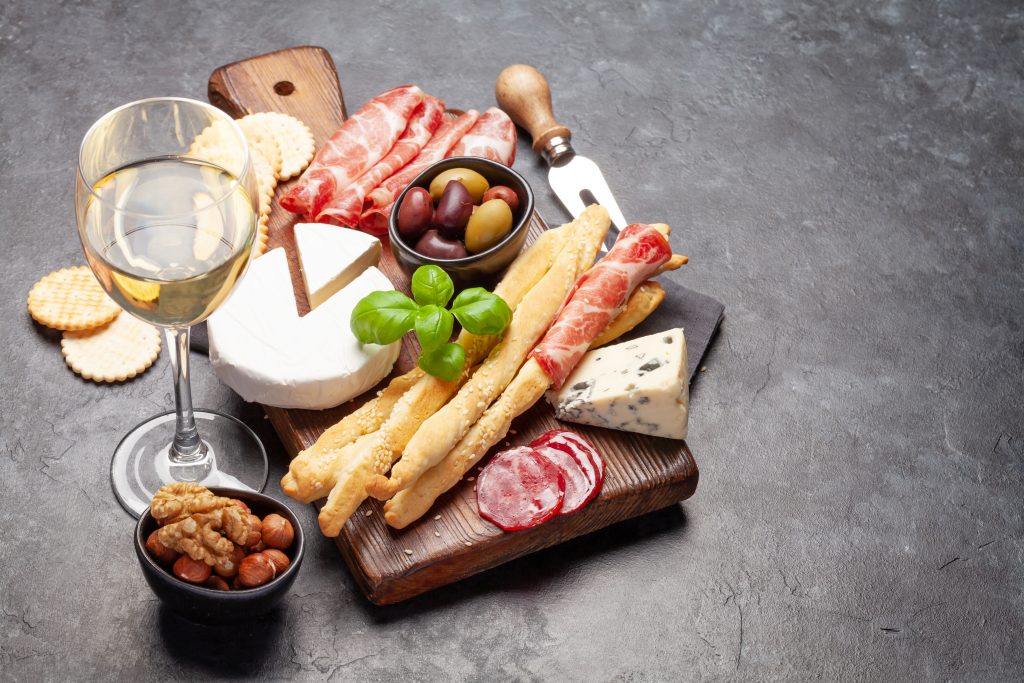
3. The Apéritif Ritual
What tourists notice:
- Even casual gatherings start with drinks and small snacks before dinner.
- It’s not about getting drunk—it’s about transitioning from day to evening.
- The apéritif can last longer than the actual meal.
Why it matters: This habit creates a buffer between work stress and relaxation, emphasizing the importance of savoring transitions.
4. Shopping for Fresh Ingredients Daily
What tourists notice:
- Small grocery trips happen almost every day.
- Markets and specialty shops are preferred over large supermarkets.
- Meals are planned around what looks best that day, not what’s in the pantry.
Why it matters: This approach prioritizes freshness and seasonality over convenience, reflecting a deeper connection to food quality.
🗣️ Social Interactions & Politeness
5. Greeting Everyone Upon Entering
What tourists notice:
- A simple “Bonjour” is said to shopkeepers, even in busy stores.
- Entering a small space without greeting feels rude to locals.
- The greeting sets the tone for any interaction that follows.
Why it matters: This habit acknowledges others’ presence and creates a foundation of mutual respect in public spaces.
6. The Art of Saying No Politely
What tourists notice:
- Refusals come with explanations and alternative suggestions.
- “Non” is rarely said bluntly without context.
- Even disagreements maintain a level of formality and respect.
Why it matters: This reflects the French value of maintaining dignity in all interactions, even when declining or disagreeing.
7. Formal Address Until Invited Otherwise
What tourists notice:
- “Vous” is used with strangers, colleagues, and even some neighbors.
- The switch to “tu” is a meaningful moment in relationships.
- Age and context heavily influence which form is appropriate.
Why it matters: This linguistic habit creates clear social boundaries and shows respect for hierarchy and relationships.
8. Handshakes and Cheek Kisses for Everyone
What tourists notice:
- Colleagues shake hands every morning, even if they saw each other yesterday.
- Friends and family get cheek kisses (usually two, but it varies by region).
- Physical greetings happen regardless of how brief the encounter.
Why it matters: These rituals reinforce social bonds and acknowledge each person individually, rather than treating interactions as purely functional.
🚶♀️ Daily Routines & Lifestyle
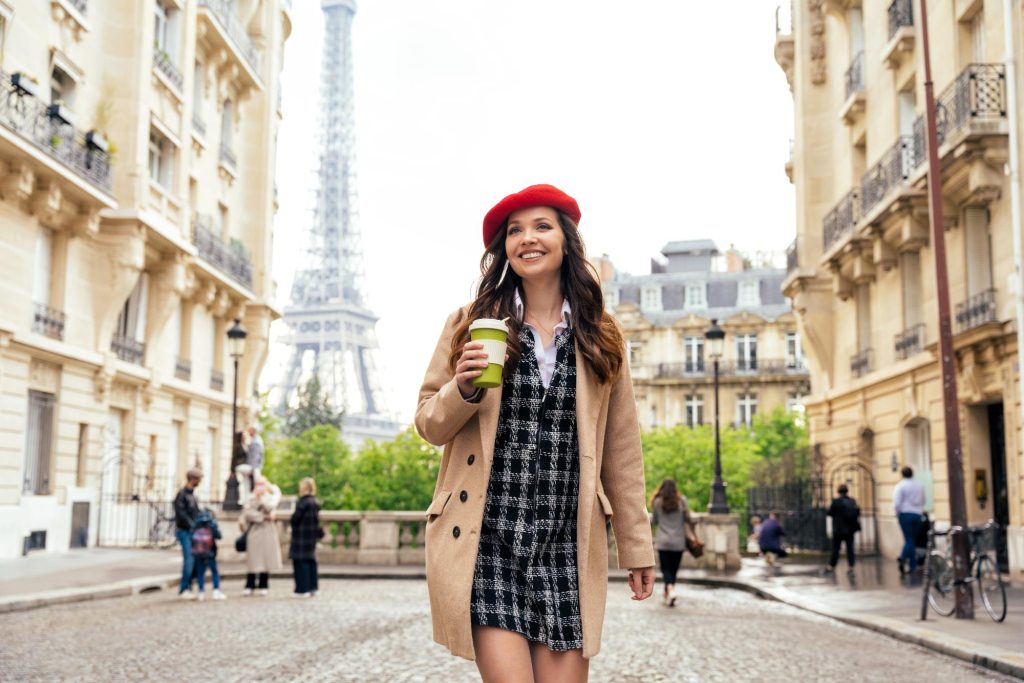
9. Walking Everywhere, Elegantly
What tourists notice:
- French people walk with purpose and posture, even for short distances.
- Comfortable shoes that still look stylish are the norm.
- Walking is preferred over driving for errands within the city.
Why it matters: This habit combines practicality with aesthetics, showing how the French integrate beauty into everyday activities.
10. The Evening Stroll (La Promenade)
What tourists notice:
- Families and couples take leisurely walks after dinner.
- It’s not exercise—it’s social time and fresh air.
- Even small towns have designated walking areas that come alive in the evening.
Why it matters: This ritual prioritizes community connection and gentle movement over structured fitness routines.
11. Dressing Up for Ordinary Days
What tourists notice:
- Even grocery shopping calls for put-together outfits.
- Sweatpants in public are rare, except for actual exercise.
- Quality basics are preferred over trendy, disposable fashion.
Why it matters: This habit reflects self-respect and consideration for others, treating public appearance as a form of courtesy.
12. Taking Time to Actually Taste Food
What tourists notice:
- Meals are eaten slowly, with conversation between bites.
- Food is discussed—its origin, preparation, and flavor.
- Rushing through a meal is considered almost disrespectful.
Why it matters: This approach treats eating as a sensory and social experience, not just biological necessity.
🏠 Home & Personal Space
13. Shutters Closed During the Day
What tourists notice:
- Windows have shutters that are actually used, not just decorative.
- Homes look closed off from the street during certain hours.
- Privacy is actively maintained, even in ground-floor apartments.
Why it matters: This habit reflects the French value of maintaining clear boundaries between public and private life.
14. Investing in Quality Over Quantity
What tourists notice:
- Homes have fewer items, but each piece is well-made and carefully chosen.
- Furniture and appliances are expected to last decades.
- Repairs are preferred over replacement when possible.
Why it matters: This approach reflects environmental consciousness and an appreciation for craftsmanship over consumption.
15. Fresh Flowers as a Weekly Necessity
What tourists notice:
- Even modest apartments often have fresh flowers.
- Flower markets are busy with locals, not just tourists.
- Flowers are treated as essential for home atmosphere, not luxury.
Why it matters: This habit shows how the French prioritize beauty and natural elements in daily life, regardless of budget.
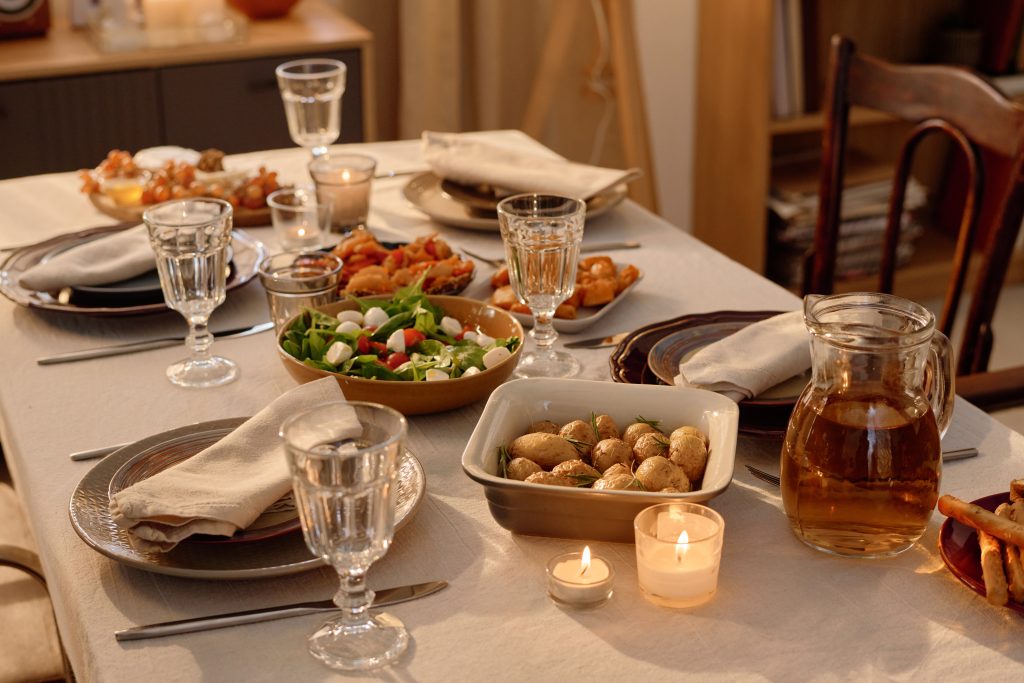
16. Proper Table Setting, Even for Casual Meals
What tourists notice:
- Plates, proper utensils, and napkins appear even for simple lunches.
- Food is served on actual dishes, not eaten from containers.
- The table is cleared and reset between courses.
Why it matters: This ritual elevates everyday meals and shows respect for food and dining companions.
🛍️ Shopping & Consumer Habits
17. Questioning Before Buying
What tourists notice:
- Shopkeepers expect and welcome detailed questions about products.
- Purchases are considered carefully, not made impulsively.
- Quality, origin, and craftsmanship are discussed openly.
Why it matters: This habit reflects a culture that values informed consumption and maintains relationships with local merchants.
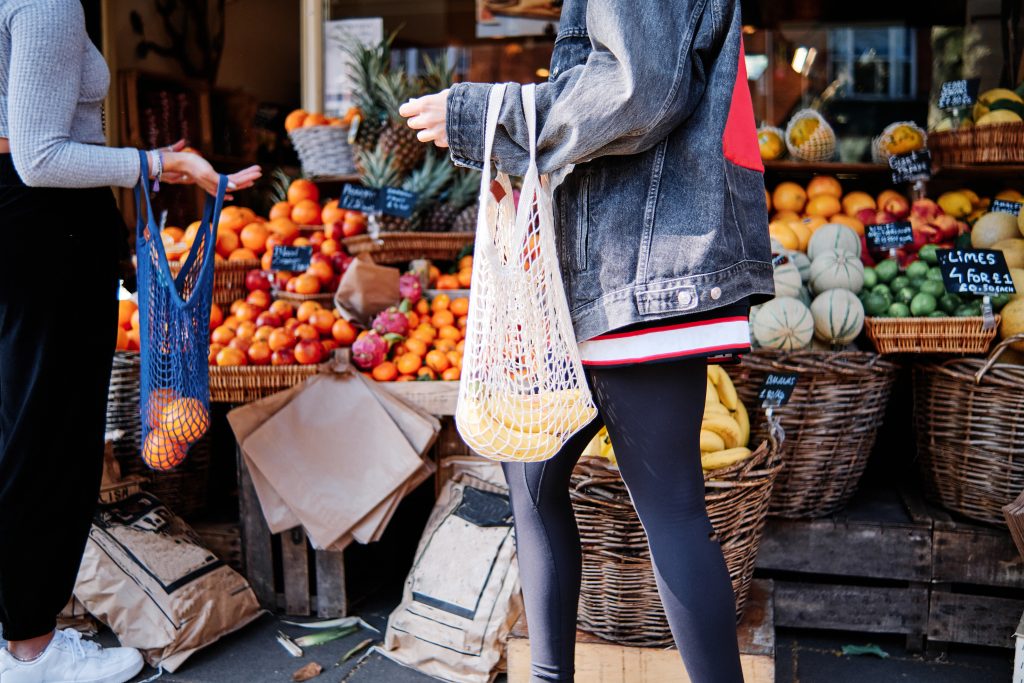
18. Bringing Your Own Shopping Bag
What tourists notice:
- Reusable bags are standard, not an environmental statement.
- Plastic bags cost extra and are used sparingly.
- Many people have dedicated market baskets for food shopping.
Why it matters: This practical habit combines environmental awareness with traditional shopping customs.
19. Supporting Local Businesses First
What tourists notice:
- Chain stores exist, but locals often prefer independent shops.
- Relationships with shopkeepers are maintained over years.
- Slightly higher prices are accepted for personal service and quality.
Why it matters: This approach strengthens community bonds and preserves local character against globalization.
20. Seasonal Shopping Patterns
What tourists notice:
- Clothing purchases align with actual seasons, not retail calendars.
- Food choices change dramatically with what’s naturally available.
- Holiday decorations appear briefly and are stored carefully for reuse.
Why it matters: This habit connects daily life to natural rhythms and reduces waste through mindful consumption.
⏰ Time & Scheduling
21. Respecting Closed Hours
What tourists notice:
- Shops actually close when posted, and customers don’t argue.
- Lunch closures are accepted as normal, not inconvenient.
- Business hours are treated as boundaries, not suggestions.
Why it matters: This mutual respect for time boundaries allows everyone to maintain work-life balance.
22. The Art of Being Fashionably Late
What tourists notice:
- Arriving exactly on time to social events can be awkward.
- 15-30 minutes late is often expected and planned for.
- Professional meetings, however, start precisely on time.
Why it matters: This distinction between social and professional time shows how context shapes appropriate behavior.
23. Long Conversations Without Rushing
What tourists notice:
- Phone calls and café conversations can last hours.
- Interrupting or checking phones during conversation is rare.
- People seem to have unlimited time for meaningful discussions.
Why it matters: This habit prioritizes relationship-building over efficiency, treating conversation as valuable in itself.
🎨 Aesthetic & Cultural Appreciation
24. Noticing and Commenting on Beauty
What tourists notice:
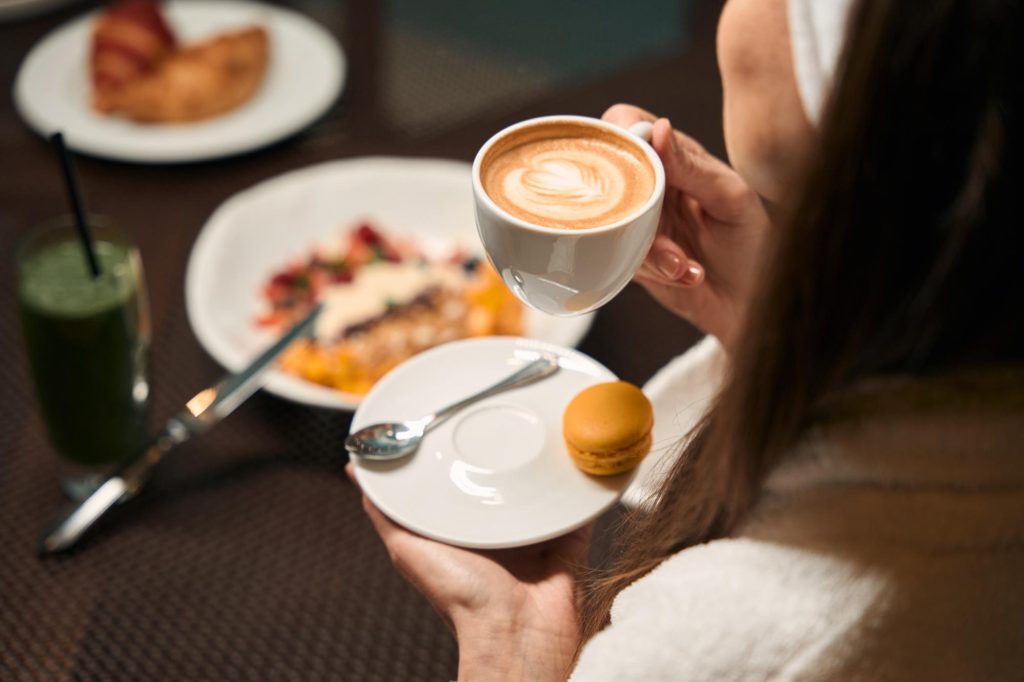
- Architecture, flowers, food presentation, and clothing are openly admired.
- Aesthetic appreciation is considered normal conversation, not pretentious.
- Even small beautiful details receive attention and comment.
Why it matters: This habit cultivates a shared appreciation for beauty and encourages attention to life’s visual pleasures.
25. Preserving Traditions While Embracing Change
What tourists notice:
- Old customs coexist comfortably with modern conveniences.
- Traditional skills (cooking, crafts, etiquette) are passed down alongside technology.
- Change happens gradually, with respect for what came before.
Why it matters: This balanced approach maintains cultural identity while allowing for evolution and adaptation.
✨ Why These Habits Matter
These small French habits reveal a culture that has mastered the balance between efficiency and enjoyment, tradition and modernity, individual needs and social harmony. They’re not performed for tourists or social media—they’re simply how life is lived when quality, respect, and beauty are prioritized over speed and convenience.
For visitors, noticing these habits offers insight into a different way of approaching daily life. They suggest that ordinary moments can be elevated through attention, that relationships require investment, and that taking time for small pleasures isn’t selfish—it’s essential.
The next time you’re in France, pay attention to these quiet rituals. They’re happening all around you, creating the distinctive rhythm and atmosphere that makes French culture so appealing to outsiders and so satisfying to those who live it every day.
