
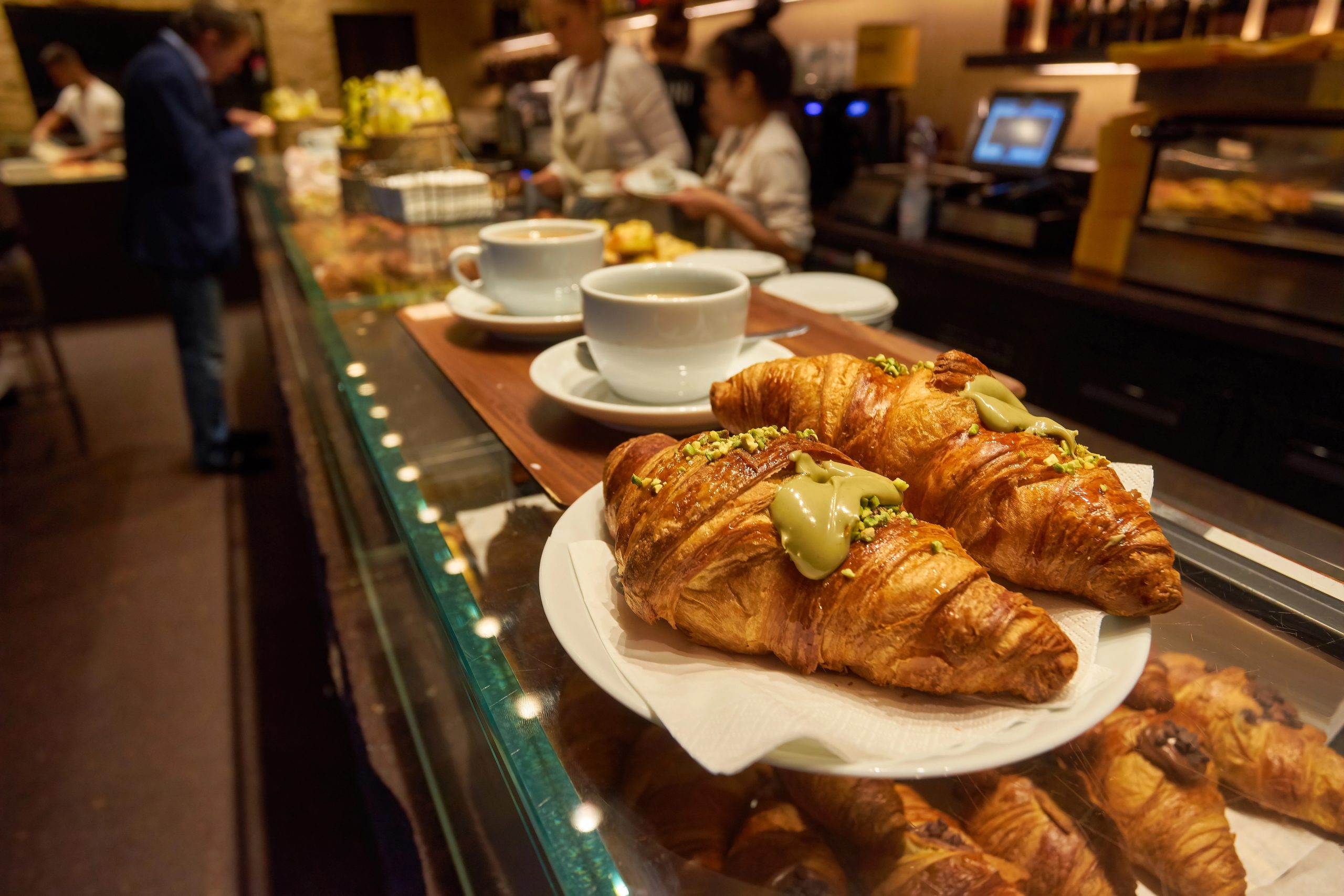
If you’ve ever wandered the streets of France, you’ve probably noticed two kinds of food shops popping up on every corner: the boulangerie and the pâtisserie. At first glance, they might seem interchangeable—but there’s a big difference that every foodie should know.
Understanding it will not only help you order like a local, but also experience France’s baking culture at its finest.
Boulangerie — The Bread Experts
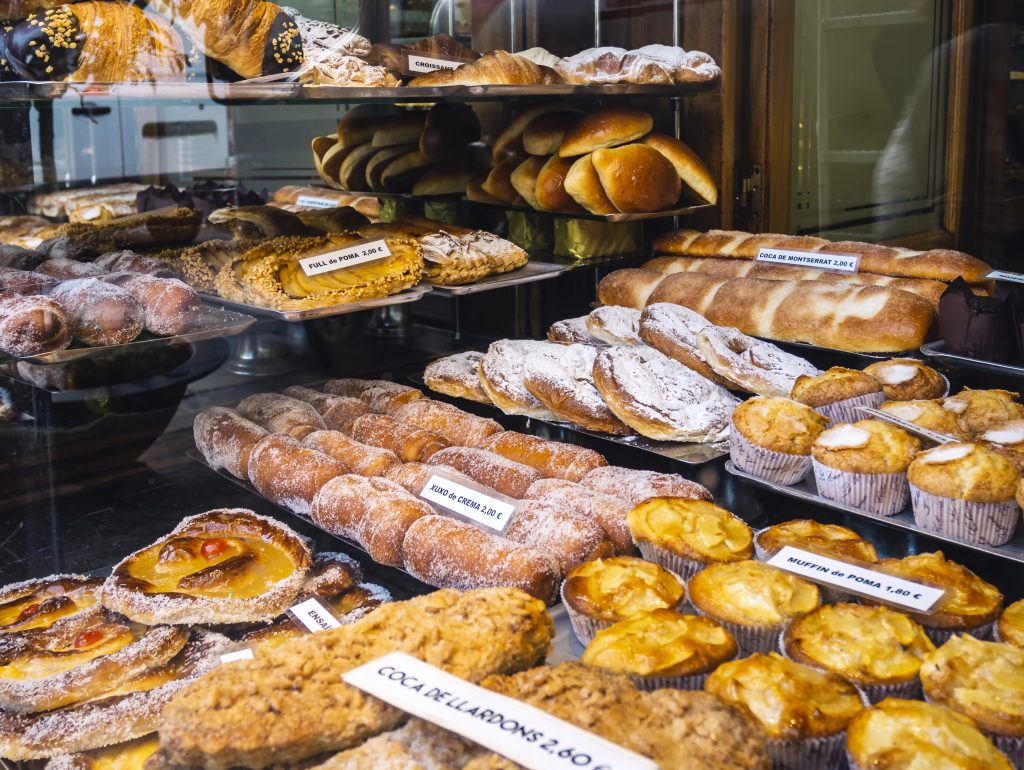
- What it is : A classic French boulangerie specializing in fresh bread, artisan pastries, and savory baked goods.
- Signature items : Baguettes tradition, pain de campagne, artisan sandwich breads, buttery croissants, and quiches—all made daily.
- Why it matters : In France, bread is a daily ritual. Visiting a boulangerie allows you to taste handcrafted loaves, a cornerstone of French culinary culture. Perfect for food lovers and travelers exploring authentic French gastronomy.
- Local tip : Seek out a “baguette tradition”, made with flour, water, salt, and yeast only, no preservatives or additives. It’s the authentic French bread experience that locals adore.
Fun fact: Most Parisians visit their boulangerie daily to get the freshest bread possible.
Pâtisserie — The Sweet Specialists
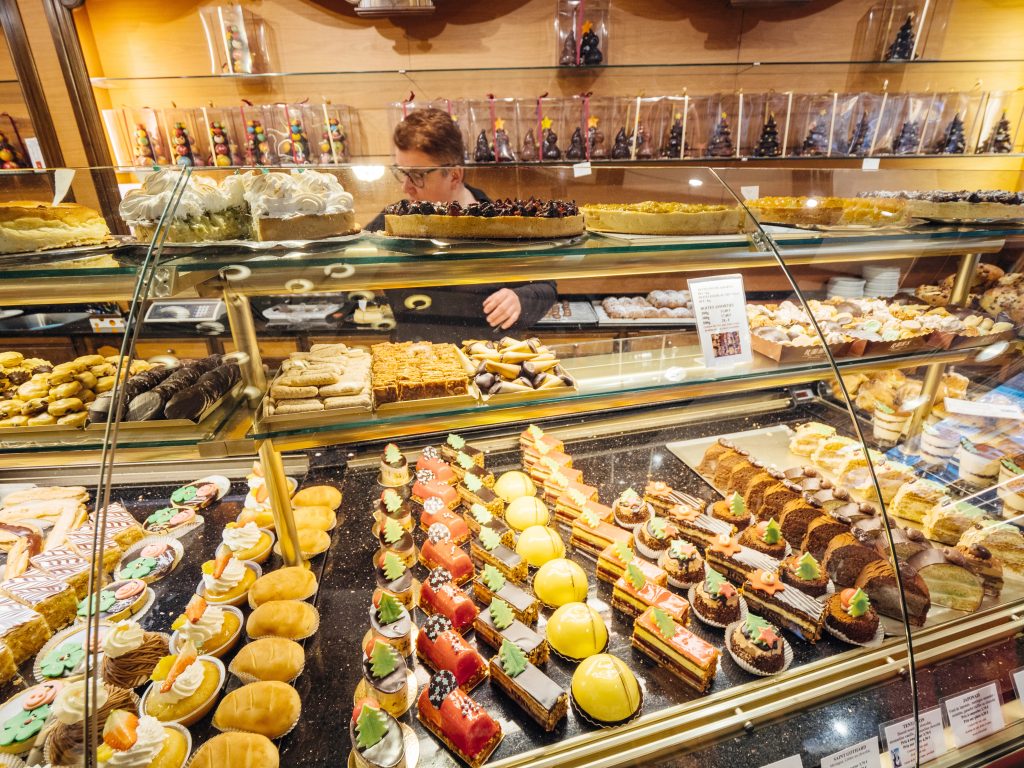
- What it is: A French pâtisserie specializing in desserts and delicate pastries.
- Signature items: Éclairs, macarons, fruit tarts, mille-feuille, and entremets—all crafted with precision and artistry.
- Why it matters: French pâtisseries are an art form. Each pastry or cake showcases masterful technique, creativity, and attention to detail, making it a must-try for dessert lovers and travelers seeking authentic French sweets.
Local tip: When you buy a dessert here, it’s often individually packaged and beautifully presented, unlike the casual bread purchase at a boulangerie.
Key Differences at a Glance
| Feature | Boulangerie | Pâtisserie |
| Focus | Bread, croissants, sandwiches | Pastries, tarts, desserts |
| Daily Routine | Bread is baked fresh daily, often several times a day | Pastries are prepared with precision, often made ahead for presentation |
| Ordering | Quick, casual, often grab-and-go | Often requires selection or even reservation for specialty cakes |
| Skill | Artisan bread-making | Pastry craftsmanship, often with decorative flair |
| Typical Visit | Morning for fresh baguettes | Afternoon for tea-time treats |
When to Visit Each
- Morning: Hit a boulangerie for fresh baguette, croissant, or pain au chocolat. Ideal with café au lait on the terrace.
- Afternoon or evening: Visit a pâtisserie for delicate desserts, perfect for a leisurely break or special occasion.
Why Knowing the Difference Matters
Understanding the distinction allows you to:
- Eat like a local: No more awkward moments when ordering pastries at a bread-focused shop.
- Plan your day: Start with a boulangerie breakfast, end with a pâtisserie treat.
- Appreciate the craft: Both bakeries are artisanal—but in completely different ways.
❤️ Final Local Tip
Want the perfect Parisian day? Start with a baguette from a boulangerie, wander the streets, and finish with a delicate pastry from a pâtisserie. You’ll get a taste of French daily life, craft, and culinary art—all in one day.
