
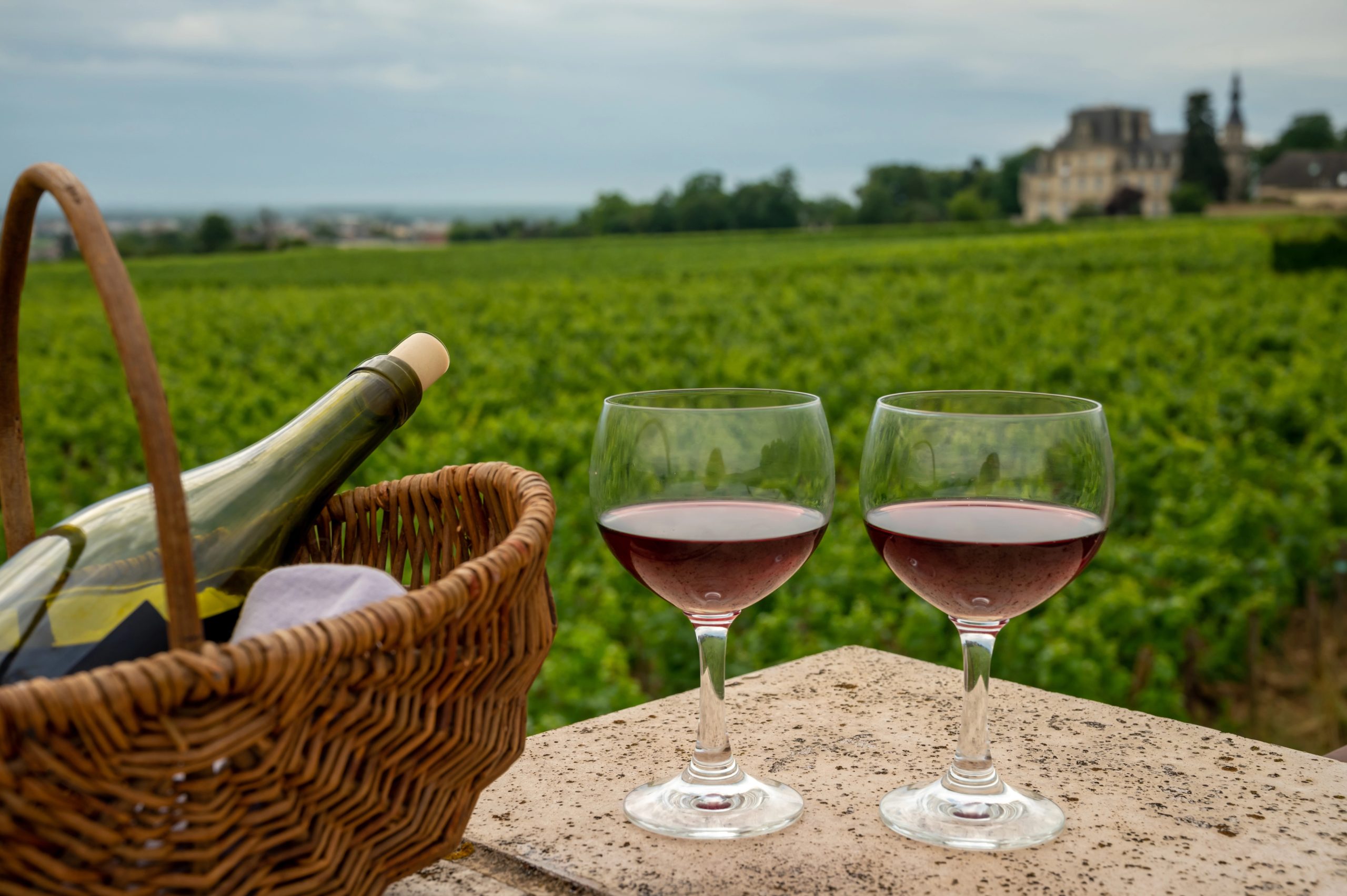
The best way to understand French wine isn’t in a tasting room — it’s on the road between vineyards.
France doesn’t just make wine. It has built entire cultures, economies, and landscapes around it for over 2,000 years.
The country has designated wine routes — scenic roads winding through vineyard-covered hillsides, connecting medieval villages, family-run wineries, and centuries-old cellars. These routes aren’t just about drinking wine. They’re about understanding terroir, meeting winemakers, and seeing the landscapes that shape each bottle.
From Champagne’s chalk hills to Bordeaux’s grand châteaux, from Burgundy’s tiny parcels to Alsace’s fairytale villages, each wine route tells a different story about French wine, history, and culture.
Here’s your complete guide to France’s most beautiful and delicious wine routes.
🍾 Route du Champagne
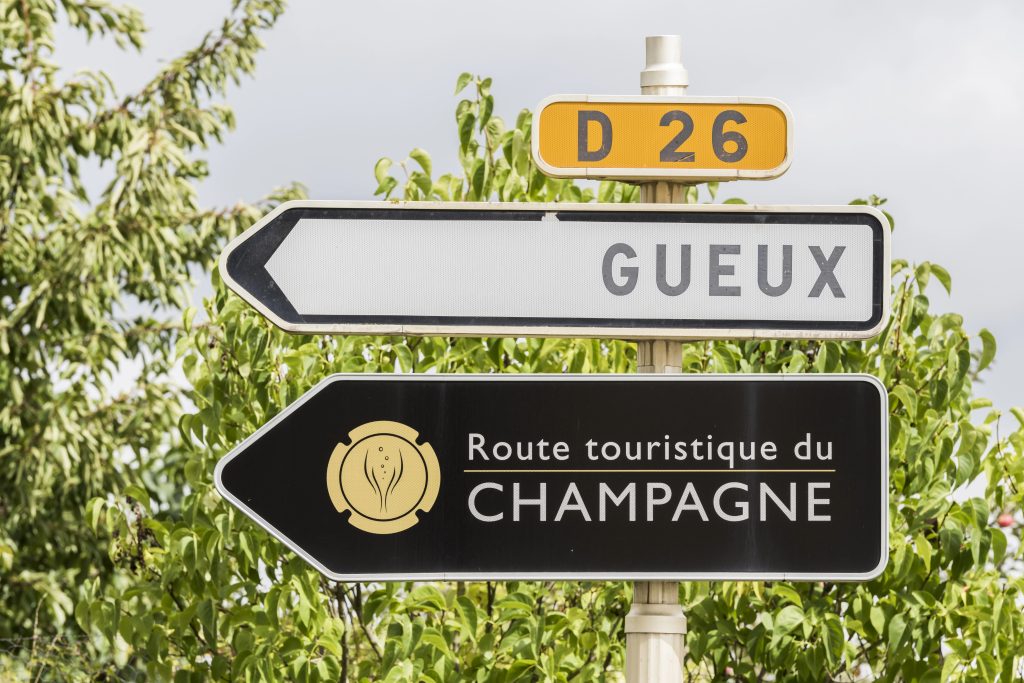
Where: Northeast France Length: 600+ km across multiple routes Best time: May–October (harvest in September)
Why Go
Champagne is the only place on Earth that can legally call its sparkling wine “Champagne.” Rolling chalk hills covered in precisely ordered vines, historic cellars carved into limestone, and villages where every family has made bubbly for generations.
The route connects grand Champagne houses (Moët, Veuve Clicquot) with small grower-producers making exceptional wines you’ll never find outside the region.
The Routes
Montagne de Reims circles the mountain south of Reims through villages producing Pinot Noir-dominant Champagnes. Stop in Bouzy and Ambonnay for powerful wines.
Vallée de la Marne follows the river through villages specializing in Pinot Meunier. Hautvillers is where Dom Pérignon supposedly invented Champagne (he didn’t, but the abbey is beautiful).
Côte des Blancs south of Épernay is Chardonnay country. Villages like Cramant and Avize produce the most elegant blanc de blancs Champagnes.
Must-Visit Stops
Reims — Champagne’s capital with stunning Gothic cathedral. Visit Taittinger (cellars in Roman chalk pits), Veuve Clicquot (historic cellars), or Ruinart (oldest Champagne house).
Épernay — home to Avenue de Champagne, the world’s most expensive street with billions of euros of Champagne aging beneath it. Tour Moët & Chandon or Mercier.
Hautvillers — picturesque hilltop village with Dom Pérignon’s abbey and stunning views over the Marne Valley.
Small producers — seek out family estates like Pierre Gimonnet or Egly-Ouriet for wines you can’t find elsewhere.
Tips
Book tastings ahead, especially at famous houses. Designate a driver — Champagne is strong and you’ll taste a lot. Buy direct for prices 30–50% lower than retail.
🍷 Route des Grands Crus de Bourgogne
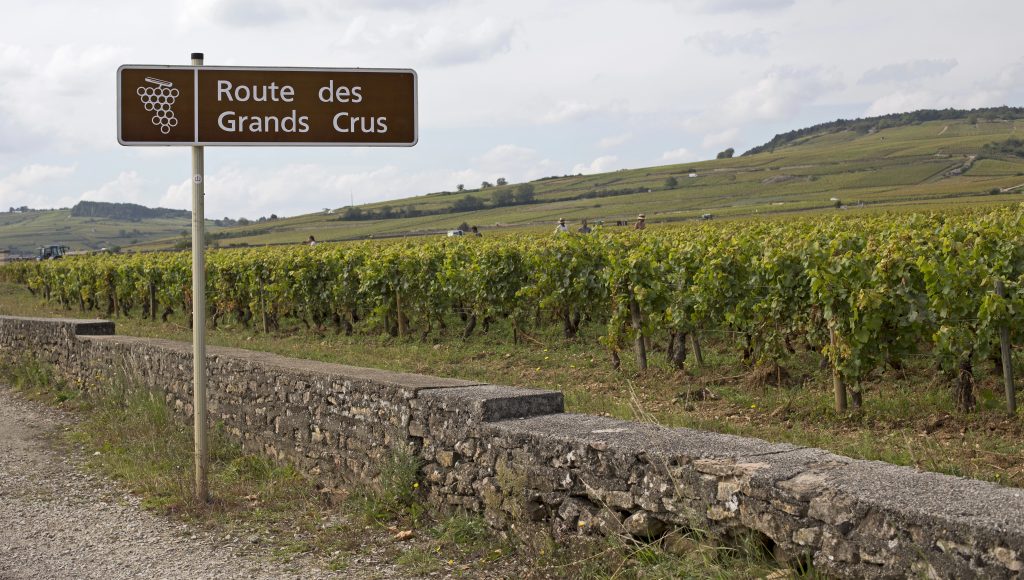
Where: Eastern France Length: 60 km (Dijon to Santenay) Best time: September–October (harvest), May–June (green vines)
Why Go
Burgundy is wine’s holy land — tiny vineyard parcels producing some of Earth’s most expensive and revered wines. The Route des Grands Crus connects the most prestigious vineyards in a narrow 60 km strip of hillside.
This isn’t about grand châteaux. Burgundy is about terroir — how a few meters of difference in soil and slope create completely different wines. Stone walls divide vineyards into parcels the size of gardens, each with its own name and centuries of history.
The Route
The route follows the D974 from Dijon south through the Côte d’Or (Golden Slope), passing through villages whose names read like a wine list: Gevrey-Chambertin, Vosne-Romanée, Nuits-Saint-Georges, Beaune, Pommard, Meursault.
Côte de Nuits (northern section) produces the greatest red Burgundies — Pinot Noir at its most elegant.
Côte de Beaune (southern section) produces both reds and the world’s finest white Burgundies from Chardonnay.
Must-Visit Stops
Gevrey-Chambertin — village with 9 Grand Cru vineyards producing powerful, age-worthy reds.
Vosne-Romanée — home to Romanée-Conti, the world’s most expensive wine (€15,000+ per bottle). You can’t taste it, but you can photograph the vineyard.
Beaune — Burgundy’s wine capital. Visit the Hospices de Beaune (medieval hospital with famous wine auction), explore cellars, and dine at excellent restaurants.
Meursault — white wine paradise producing buttery, complex Chardonnays.
Pommard — structured, powerful reds in a beautiful village with many tasting opportunities.
Tips
Burgundy is expensive — focus on village-level and Premier Cru wines (€20–60) which are excellent and more accessible. Most producers require reservations. Cycle the route — it’s flat to gently rolling. Stay in Beaune for central location and excellent restaurants.
🍇 Route des Vins d’Alsace
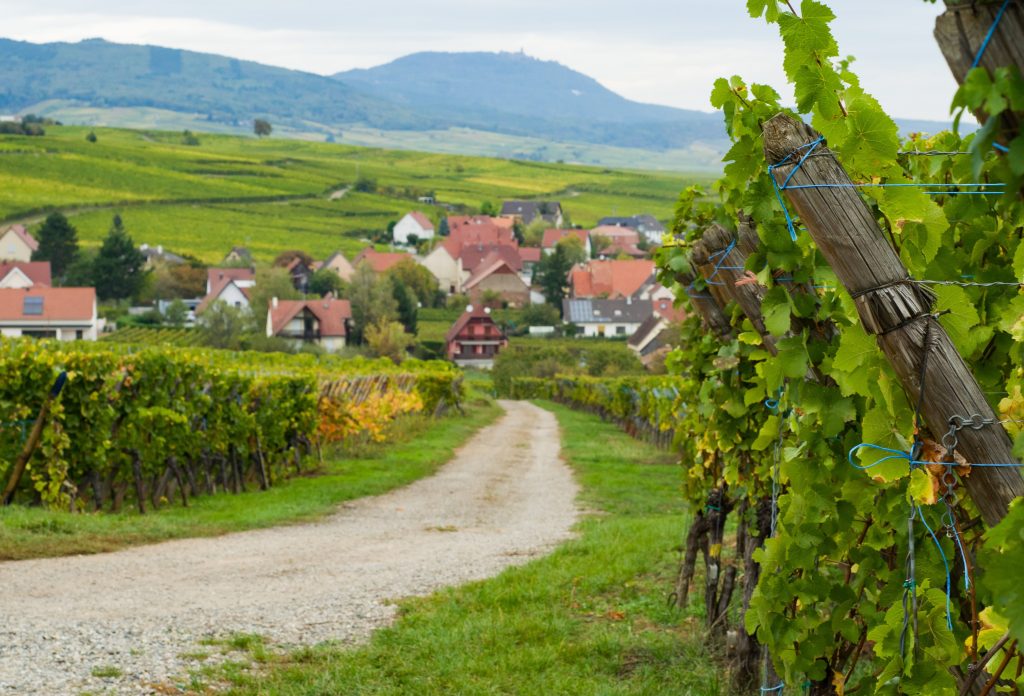
Where: Eastern France Length: 170 km (Marlenheim to Thann) Main grapes: Riesling, Gewürztraminer, Pinot Gris Best time: September–October (harvest, autumn colors), December (Christmas markets)
Why Go
The Alsace Wine Route is France’s most beautiful — a ribbon of road connecting fairytale half-timbered villages, vineyard-covered hillsides, and medieval castles. The wines are unique in France — aromatic whites with German influence but French elegance.
This route combines wine with culture, architecture, and cuisine in a way no other French wine region does.
Must-Visit Villages
Riquewihr — perfectly preserved medieval village, arguably Alsace’s most beautiful. Crowded but worth it.
Eguisheim — circular medieval village with flowers everywhere. Less crowded than Riquewihr.
Kaysersberg — charming village with fortified bridge and castle ruins. Domaine Weinbach produces exceptional wines.
Ribeauvillé — three castles overlook this wine town. Good base with many tasting opportunities.
Turckheim — evening watchman still walks the streets at 10 PM in summer. Visit Domaine Zind-Humbrecht (biodynamic, world-class).
The Wines
Riesling — Alsace’s noble grape. Dry, mineral, age-worthy.
Gewürztraminer — intensely aromatic (lychee, rose, spice). Pairs perfectly with Alsatian cuisine.
Pinot Gris — rich, full-bodied whites with honey and smoke notes.
Crémant d’Alsace — excellent sparkling wine, much cheaper than Champagne.
Tips
Cycle the route — flat terrain with dedicated bike paths. Visit in fall for golden vine leaves and harvest atmosphere. Combine wine with Christmas markets in December. Pair with Alsatian cuisine (choucroute, tarte flambée, Munster cheese). Stay in small villages for authentic experiences.
🏰 Route des Vins de Bordeaux
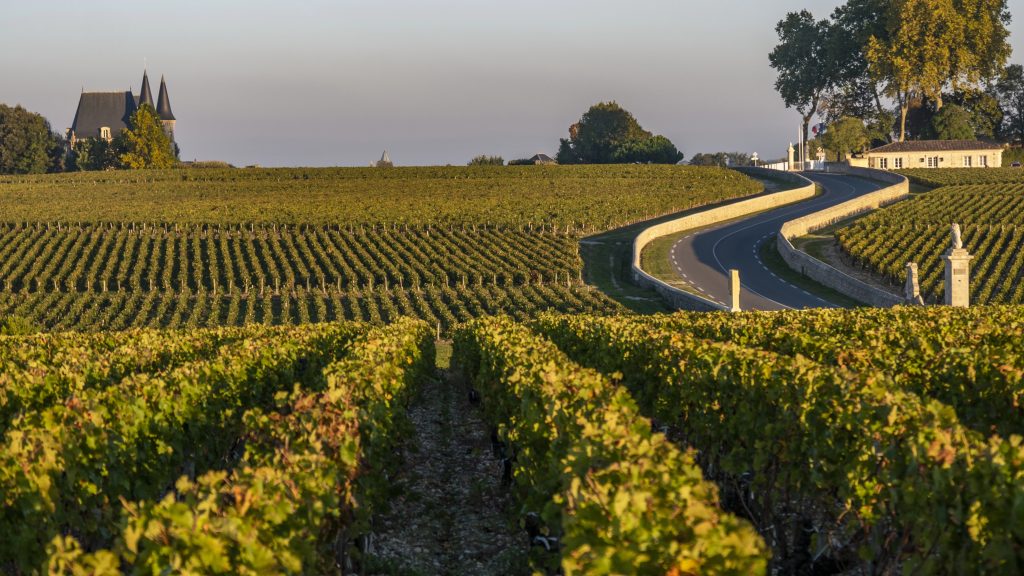
Where: Southwest France Main areas: Médoc, Saint-Émilion, Pomerol, Sauternes Best time: May–June, September–October
Why Go
Bordeaux is the world’s most famous wine region — grand châteaux, prestigious appellations, and wines that age for decades. The landscape is less dramatic than Burgundy or Alsace, but the history, architecture, and wine quality are unmatched.
The Routes
Route des Châteaux (Médoc) — north of Bordeaux city along the Gironde estuary. Home to legendary estates like Château Margaux, Château Latour, and Château Mouton Rothschild.
Route des Bastides (Saint-Émilion) — medieval hilltop town (UNESCO site) surrounded by vineyards. More accessible than Médoc with beautiful architecture.
Route de Sauternes — sweet wine country with Château d’Yquem, the world’s most famous dessert wine.
Must-Visit Stops
Saint-Émilion — stunning medieval village with underground cellars carved into limestone. Climb the bell tower for vineyard views.
Pauillac — Médoc village home to three First Growth châteaux. Visit Château Lynch-Bages for excellent tours.
Margaux — elegant wines and beautiful châteaux. Château Palmer offers excellent tours.
Sauternes — visit Château d’Yquem (book months ahead) or more accessible estates like Château Guiraud for sweet wine tastings.
Bordeaux city — explore Cité du Vin (interactive wine museum) and walk the riverfront.
Tips
Book château visits weeks or months ahead. Bordeaux châteaux are more formal — dress nicely. Costs vary wildly from €10 to €100+ for tastings. Rent a car — public transport is limited. Stay in Saint-Émilion for the most charming base.
🌞 Route des Vins de la Vallée du Rhône
Where: Southeast France Length: 250+ km (Vienne to Avignon) Main areas: Côte-Rôtie, Hermitage, Châteauneuf-du-Pape Best time: May–June, September–October
Why Go
The Rhône Valley produces powerful, sun-drenched wines from steep hillside vineyards in the north and sprawling estates in the south. The landscape ranges from dramatic terraced slopes to Mediterranean plains dotted with Roman ruins.
Must-Visit Stops
Côte-Rôtie — “roasted slope” with impossibly steep terraced vineyards producing elegant, age-worthy Syrah.
Hermitage — legendary hill producing some of France’s greatest reds. Visit Chapoutier or Jaboulet.
Châteauneuf-du-Pape — most famous southern Rhône appellation. Visit the papal palace ruins, then taste powerful reds at Château de Beaucastel.
Gigondas — beautiful village with excellent wines at better prices than Châteauneuf. Less touristy.
Tavel — France’s most famous rosé appellation, perfect for summer tastings.
Tips
Northern Rhône is expensive — focus on Crozes-Hermitage and Saint-Joseph for value. Southern Rhône offers excellent wines at €15–30. Visit in spring to avoid summer heat (can exceed 35°C). Stay in Avignon for central location.
🌿 Route des Vins de Loire
Where: Western France Length: 800+ km along Loire River Main areas: Sancerre, Vouvray, Chinon, Muscadet Best time: May–September
Why Go
The Loire Valley combines wine with châteaux, gardens, and river landscapes. The wines are diverse — crisp Sauvignon Blancs, sparkling Vouvrays, elegant Cabernet Francs, and refreshing Muscadets.
Must-Visit Areas
Sancerre — hilltop town producing France’s finest Sauvignon Blanc with stunning views over vineyards and river.
Vouvray — Chenin Blanc in all styles (dry, sweet, sparkling). Cellars carved into limestone cliffs.
Chinon — red wine town producing elegant Cabernet Franc. Medieval fortress overlooks the town.
Muscadet — near the Atlantic coast, producing crisp whites perfect with oysters.
Tips
Combine with château visits — Loire Valley has 300+ châteaux (Chambord, Chenonceau). Loire wines are excellent value. Cycle the route along the flat river terrain. Stay in Tours or Saumur for central locations.
🍷 Essential Wine Route Tips
Planning
Best season: May–June (green vines, flowers) or September–October (harvest, autumn colors)
Duration: Minimum 2–3 days per region, ideally 4–7 days
Transportation: Rent a car (essential except Alsace where cycling works)
Tasting Etiquette
Book ahead — especially small producers and famous estates
Dress nicely — wine tourism is taken seriously in France
Spit or pour out — you’ll taste many wines. It’s expected and not offensive.
Buy wine — if you taste, buy at least one bottle
Ask questions — winemakers love talking about their craft
Costs
Tastings: Free to €50+ depending on estate
Bottles: €10–30 for good regional wines, €50–500+ for prestigious appellations
Accommodation: €80–200/night
Meals: €30–60 per person for regional restaurants
The Bottom Line
France’s wine routes aren’t just about drinking wine — they’re about understanding how landscape, climate, history, and human passion create what’s in the glass.
You’ll drive through vineyards cultivated for 2,000 years. You’ll meet tenth-generation winemakers. You’ll taste wines in the cellars where they age, surrounded by barrels and bottles worth more than houses.
Each route tells a different story. Champagne is about celebration and luxury. Burgundy is about terroir and precision. Alsace combines wine with fairytale beauty. Bordeaux is grand and historic. The Rhône is powerful and sun-soaked.
The best route? The one that matches what you love — whether that’s elegant whites, powerful reds, sparkling wines, or simply the most beautiful villages. Ready to explore France one vineyard at a time? The wine routes are waiting — and they taste even better than they look.
