
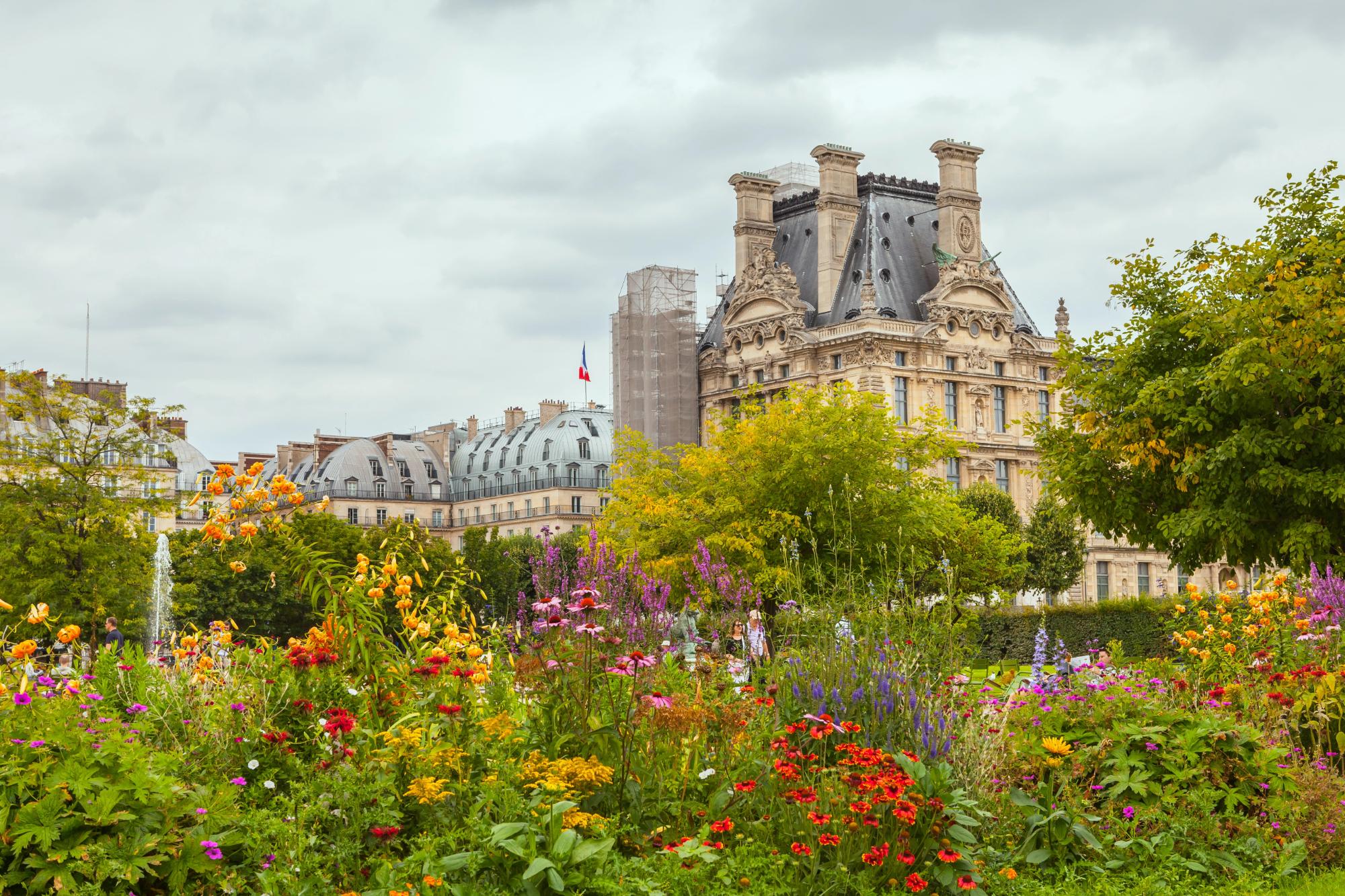
Discover the dreamy art movement that changed the world—right where it all began.
If you’ve ever seen a painting full of soft colors, visible brushstrokes, and shimmering light, chances are you’ve already fallen in love with Impressionism—even if you didn’t know its name.
And where better to explore it than in the city where it was born?
Paris is the heart of French Impressionism—home to the artists, the inspiration, and the masterpieces that sparked a revolution in the art world. Whether you’re an art history buff or a total newbie, this guide will walk you through what to see, where to go, and how to truly feel Impressionism in the city of light.
✨ What Is Impressionism, Exactly?
Art that feels like a memory, a breeze, a blink of sunlight.
Impressionism began in France in the late 1800s, when a group of bold, rebellious artists decided it was time to break free from the stiff rules of traditional art.
Back then, art was supposed to be polished, serious, and painted indoors under careful lighting. Artists were expected to portray historical events, religious themes, or noble portraits—perfectly detailed and flawlessly posed.
But the Impressionists said: Why not paint real life instead?
They left the studio behind and stepped into the world—literally. With portable easels and tubes of oil paint, they took to gardens, riverbanks, Parisian cafés, train stations, and rainy streets to capture life as it was happening. They painted quickly, spontaneously, and emotionally, using visible brushstrokes, soft edges, and shimmering light.
Instead of aiming for perfection, they aimed for feeling—the fleeting impression of a moment, a ray of light on a face, the blur of movement in a crowd.
This was radical. Critics hated it at first. But today, Impressionism is one of the most beloved art movements in the world—precisely because it’s so human, so emotional, and so beautifully imperfect.
🖌️ The Masters of French Impressionism
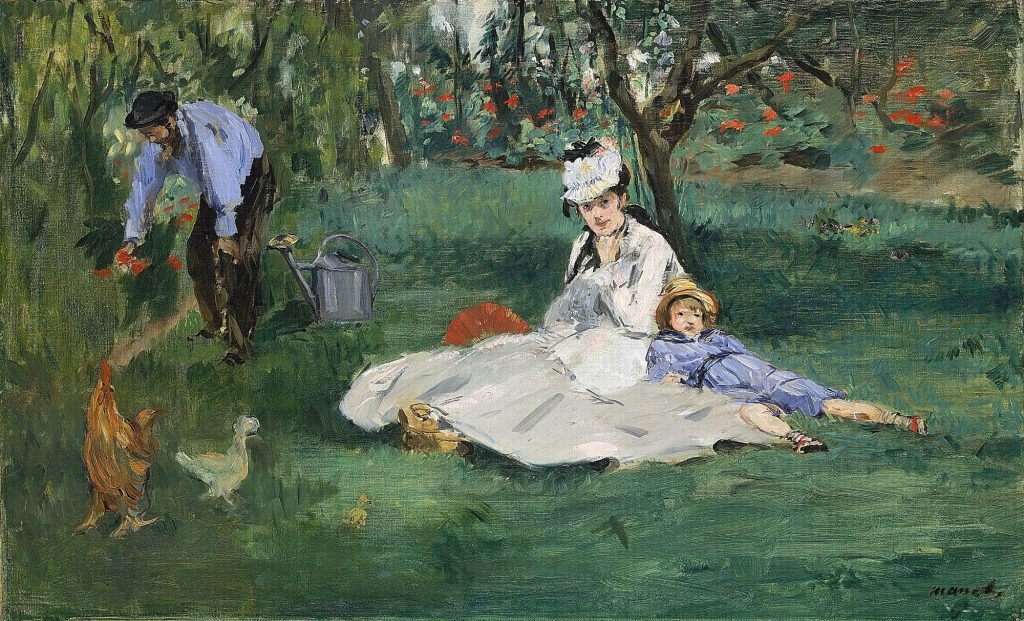
Here are the iconic artists who made it all happen—and what makes each one unforgettable:
🎨 Claude Monet
The father of Impressionism—his painting Impression, Sunrise even gave the movement its name. Famous for his glowing gardens, reflections on water, and shifting light. His Water Lilies series (many painted in Giverny, just outside Paris) feels like a dream.
💡 Best place to see him: Musée d’Orsay & Musée de l’Orangerie
🩰 Edgar Degas
Known for capturing ballet dancers, racehorses, and women bathing—not in perfect poses, but in motion. He played with angles and movement like a photographer, freezing quiet moments of daily life.
💡 His most famous work: Little Dancer of Fourteen Years, a bronze statue that’s full of emotion
💕 Pierre-Auguste Renoir
The Impressionist of joy and romance. His paintings are warm, colorful, and full of life—especially scenes of Parisian parties, couples dancing, and glowing skin.
💡 Mood: Sun-dappled afternoons and champagne smiles.
🌳 Camille Pissarro
A pioneer of the movement and a mentor to many. He painted everyday rural life and city streets with quiet sensitivity. His work bridges Impressionism and the more structured styles that followed (like Pointillism).
💡 Look for: Pastoral scenes with farmers, trees, and dusty paths.
👩🎨 Berthe Morisot
One of the founding female Impressionists—often overlooked but incredibly important. Her work focused on women’s inner lives, motherhood, and domestic spaces, painted with elegance and emotion.
💡 A true rebel: She exhibited alongside the men when few women did, and her style was soft but powerful.
🖋️ Édouard Manet
Technically not a pure Impressionist, but he was their bridge to the art world—and a radical in his own right. His bold, sometimes scandalous subjects (like nude women at picnics) challenged the norms of his time and opened the door for modern art.
💡 Fun fact: He painted cafés, social life, and Paris nightlife with drama and edge.
🌟 Why It Still Matters
What makes Impressionism timeless is how relatable it is—even today. These artists weren’t painting gods or kings. They painted everyday beauty—and invited us to slow down and notice it too.
From the ripple of water to a moment of laughter, Impressionism reminds us: ➡️ Life doesn’t have to be perfect to be beautiful.
🖼️ Where to See Impressionism in Paris
Let’s be real: if you only see one kind of art in Paris, make it Impressionism.
Why? Because it’s romantic, dreamy, emotional—and incredibly human. You don’t need a degree in art history to feel something standing in front of a Monet sunrise or a Van Gogh sky. These works are all about light, movement, and fleeting beauty, and Paris is the place to experience them in person.
Here are the top spots to soak in that Impressionist magic:
🎨 1. Musée d’Orsay – The Holy Grail of Impressionism
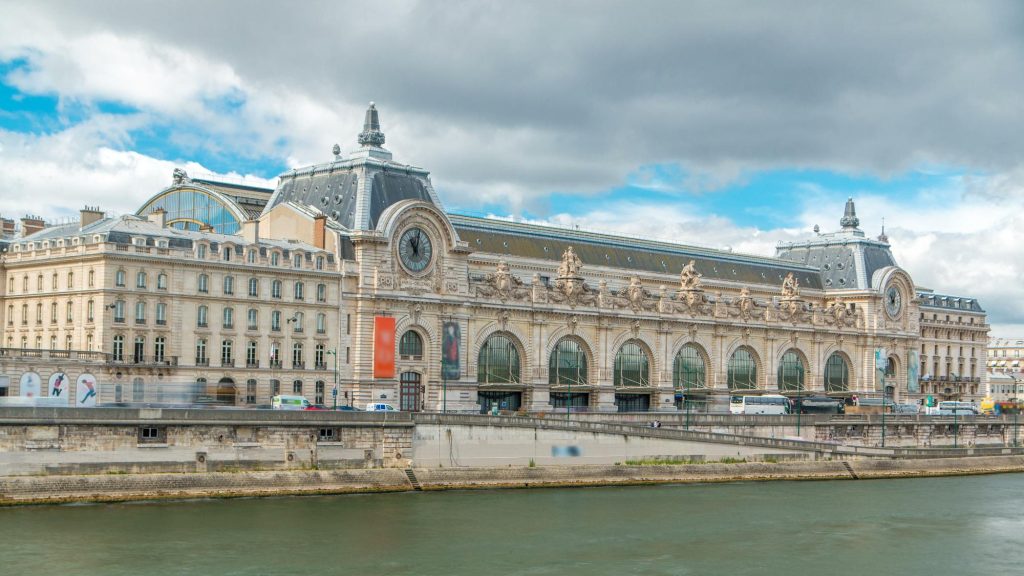
📍 7th arrondissement – housed in a former Beaux-Arts train station
Step into the Musée d’Orsay, and you’re entering the spiritual home of French Impressionism. Once a 1900s train station, it now holds the largest collection of Impressionist and Post-Impressionist art in the world—and the setting itself is as breathtaking as the paintings.
🌟 Top Highlights:
- Monet’s “Woman with a Parasol” – a breeze caught in paint
- Degas’ ballerinas – graceful, yet hauntingly real
- Van Gogh’s self-portraits – raw, intimate, and filled with emotion
- The Clock Room – an enormous glass clock overlooking Paris; it’s part art, part time machine
💡 Insider Tip: Head to the fifth floor first to beat the crowds and take in the best views from above. 📸 Pinterest Tip: The silhouette shot inside the giant clock window at sunset is one of the most magical, must-have photos in Paris.
🌊 2. Musée de l’Orangerie – Monet’s Water Lilies, Just as He Dreamed Them
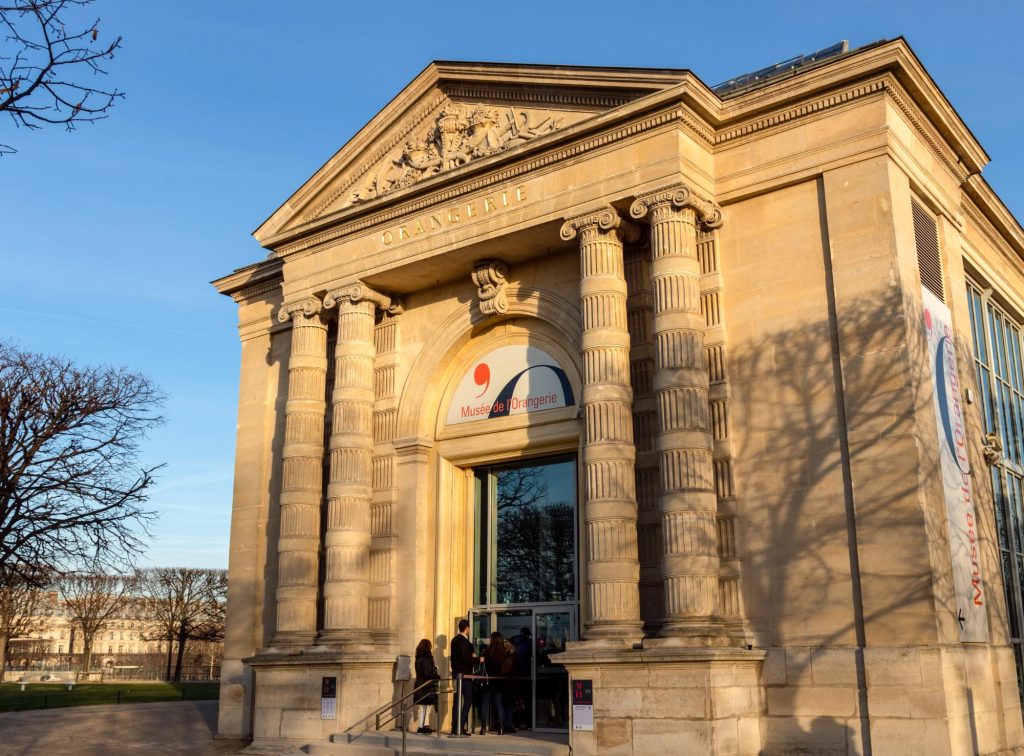
📍 Tuileries Gardens, near Place de la Concorde
This museum is small, peaceful, and totally transporting. It was designed specifically to display Claude Monet’s legendary Water Lilies, and it does so exactly as he envisioned it.
Inside, you’ll find two oval-shaped rooms bathed in natural light, with 360-degree panels of floating lilies, reflections, and sky. The paintings are so large and immersive, it feels like stepping into a living dream.
🧘 Pro Tip: Go early for silence. Sit in the center and slowly take it all in—like meditation in color.
💡 Downstairs bonus: Explore a compact but powerful collection of works by Cézanne, Picasso, Modigliani, Matisse, and Renoir—the bridge between Impressionism and Modernism.
📸 Pinterest Tip: Stand at the curve of the Water Lilies panel and photograph from waist-level—soft lighting + sweeping canvas = perfect scroll-stopper.
🎨 3. Montmartre – Walk in the Artists’ Footsteps
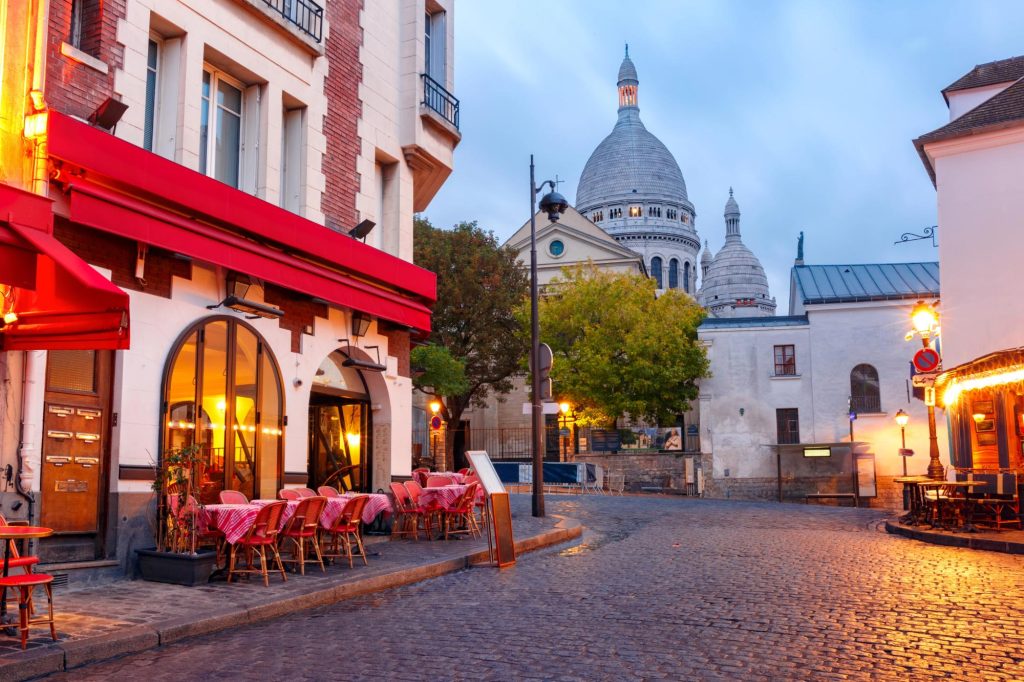
📍 18th arrondissement – the bohemian hilltop heart of Paris
Before their paintings hung in museums, the Impressionists lived, painted, and partied in Montmartre.
This was their village—their muse. Its cobbled streets, cabarets, and cafes were captured in brushstrokes by the likes of Renoir, Toulouse-Lautrec, Utrillo, and Van Gogh.
Here’s how to experience it:
- Wander Place du Tertre, where street artists still paint en plein air
- Visit the charming Musée de Montmartre, set inside Renoir’s former home and studio
- Explore its secret garden, once painted by Renoir himself—it’s a quiet, flower-filled escape from the tourist buzz
- Take in the views from Rue de l’Abreuvoir or the steps of Sacré-Cœur—the same scenes that inspired 19th-century painters
💡 Extra Detail: The museum also features works by Suzanne Valadon—model, artist, and trailblazer—who lived just upstairs from the garden.
📸 Pinterest Tip: Capture the lush green vines of Rue de l’Abreuvoir in the golden hour—or snap your coffee cup and sketchpad in front of an easel for a “painting in Paris” moment.
🌿 Bonus: Go Outside Like the Impressionists Did
Impressionists didn’t just paint indoors—they went plein air, chasing nature and natural light. You can do the same in places that inspired them:
- Jardin des Tuileries: Near the Orangerie—great for dreamy morning walks
- Seine Riverbanks: Bring a sketchbook or just a camera
- Parc Monceau: A favorite spot for Monet and Caillebotte
💡 Mini challenge: Try your own impressionist-style photos—shoot with natural light, soft colors, and everyday scenes. Pin them with #ModernImpressionist.
🎧 Want to Learn More While You Explore?
Download a podcast or audio guide on Impressionism to listen to as you explore the museums or walk the streets where the artists once lived. It’ll make the experience deeper and more meaningful.
📌 Final Thoughts: Why You’ll Love It
French Impressionism is romantic, rebellious, and refreshingly human. It’s not about royalty or religion—it’s about real life, real feelings, and light as it dances through trees and across water.
And in Paris, you can not only see the art—you can step into the world that inspired it.
