
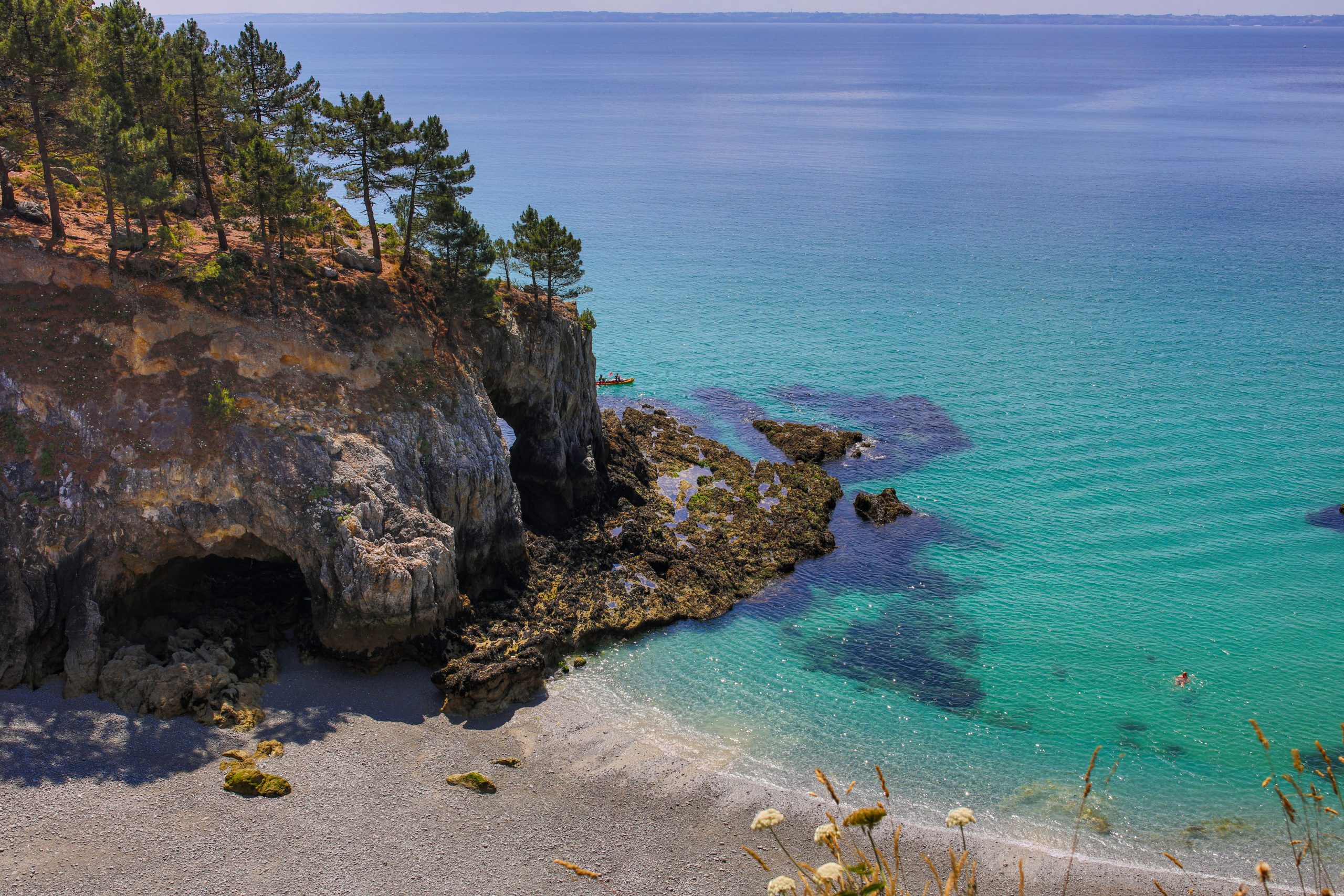
From Dramatic White Walls to Hidden Coastal Giants
When people think of cliffs in France, one image dominates: the white arches of Étretat.
And yes—it’s spectacular.
But France’s coastline (and even its inland landscapes) hides far more dramatic, diverse, and less crowded cliffs. From chalk giants in Normandy to fiery Mediterranean coves, the country offers some of Europe’s most breathtaking cliff scenery.
Here are the most beautiful cliffs in France—beyond the obvious postcard.
🌊 1. Étretat Cliffs — The Icon (But Only the Beginning)
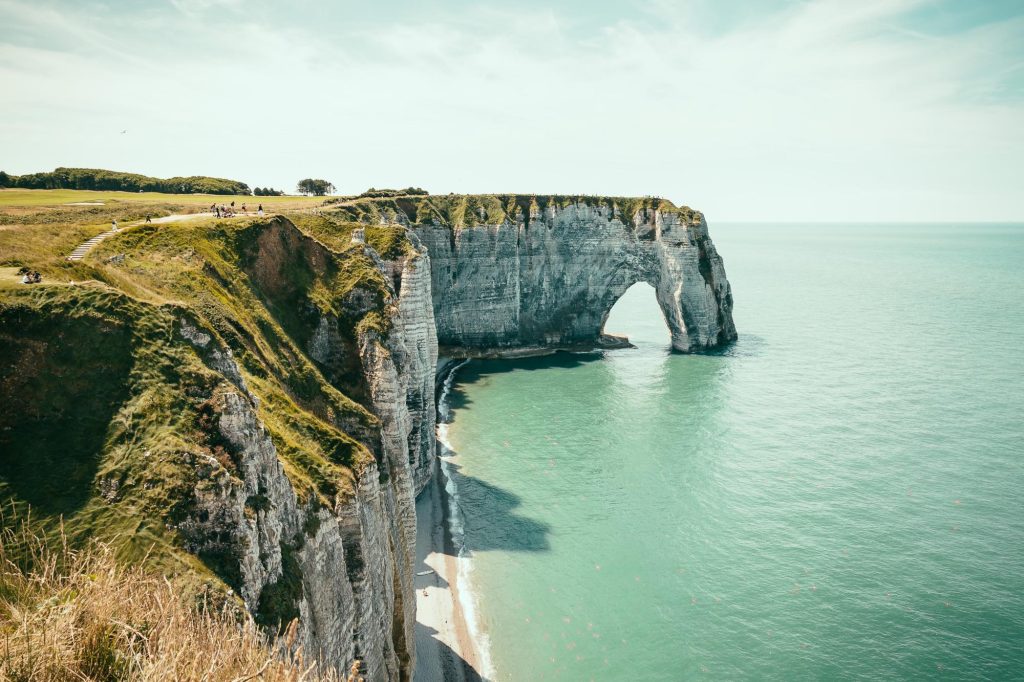
Étretat
Étretat remains the reference point for French cliffs.
What makes it famous:
- natural limestone arches
- the “Needle” rock formation
- dramatic wave erosion
- Impressionist painting heritage
But:
It’s also one of the most visited cliff sites in France, especially midday in summer.
To understand France’s cliffs fully, you have to go further.
🏔️ 2. Cap Canaille — The Tallest Sea Cliffs in France
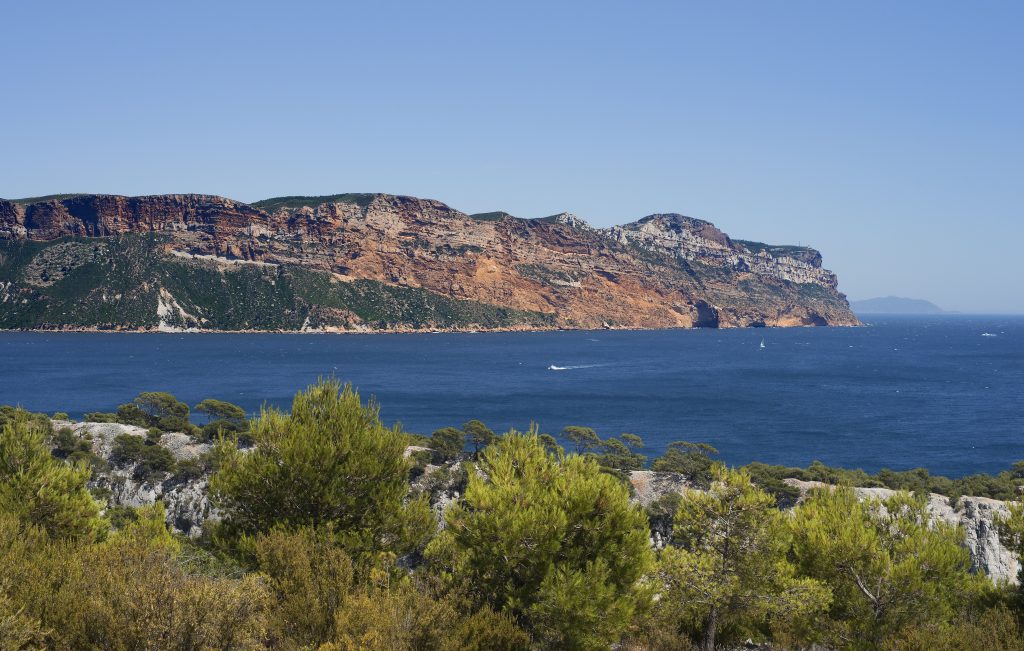
Cap Canaille
Rising above the Mediterranean between Cassis and La Ciotat, Cap Canaille is one of Europe’s highest sea cliffs.
Why it’s unforgettable:
- sheer drops over 300 meters
- red and orange sandstone colors
- sweeping views of the sea and Calanques
Best moment:
Sunset, when the cliffs glow deep orange against the blue Mediterranean.
🌿 3. The Calanques Cliffs — White Stone Over Turquoise Water
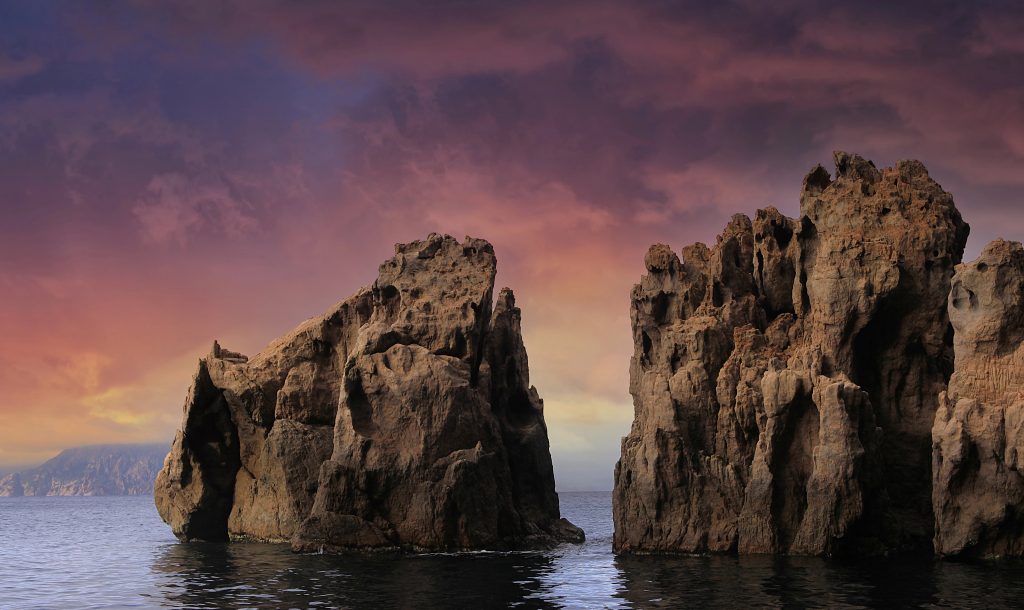
Calanques National Park
Between Marseille and Cassis, the Calanques form a jagged coastline of limestone cliffs plunging into crystal-clear water.
What makes them special:
- hidden coves (calanques)
- bright white rock against turquoise sea
- hiking trails with dramatic drops
- wild, protected national park landscape
Highlight:
Calanque d’En-Vau is often considered one of the most beautiful coastal scenes in Europe.
🌊 4. Cap de la Hague — Wild, Windy, and Raw
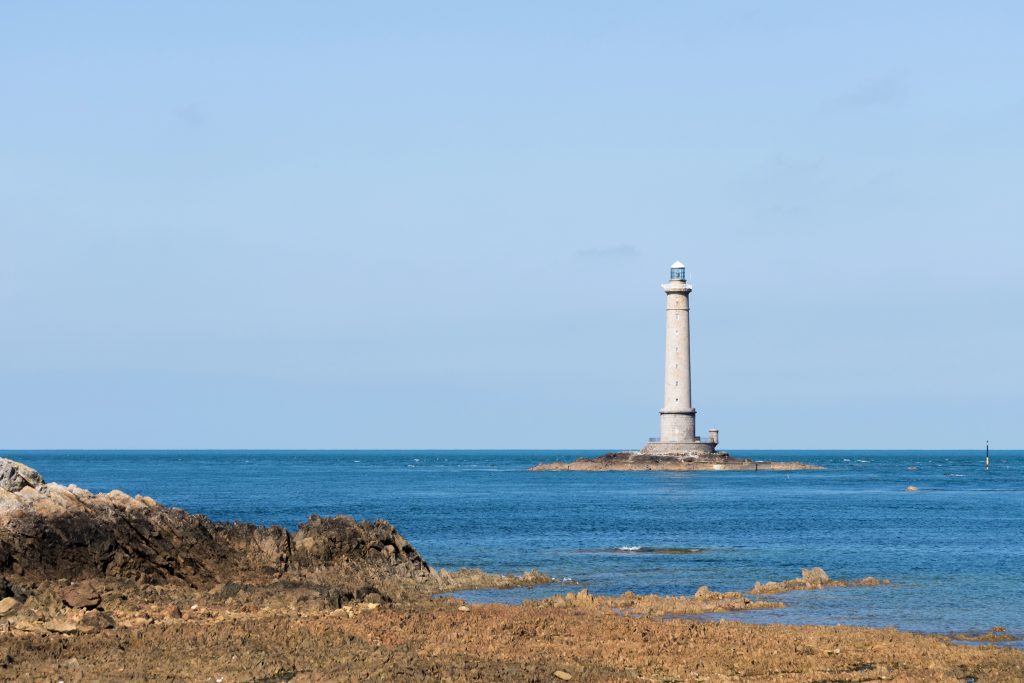
Cap de la Hague
At the northern tip of Normandy, Cap de la Hague feels completely different from Étretat.
Expect:
- harsh Atlantic winds
- dark rocky cliffs
- crashing waves
- almost lunar landscapes
This is France at its most rugged and untamed.
🌿 5. Bonifacio Cliffs — White Limestone Above the Sea
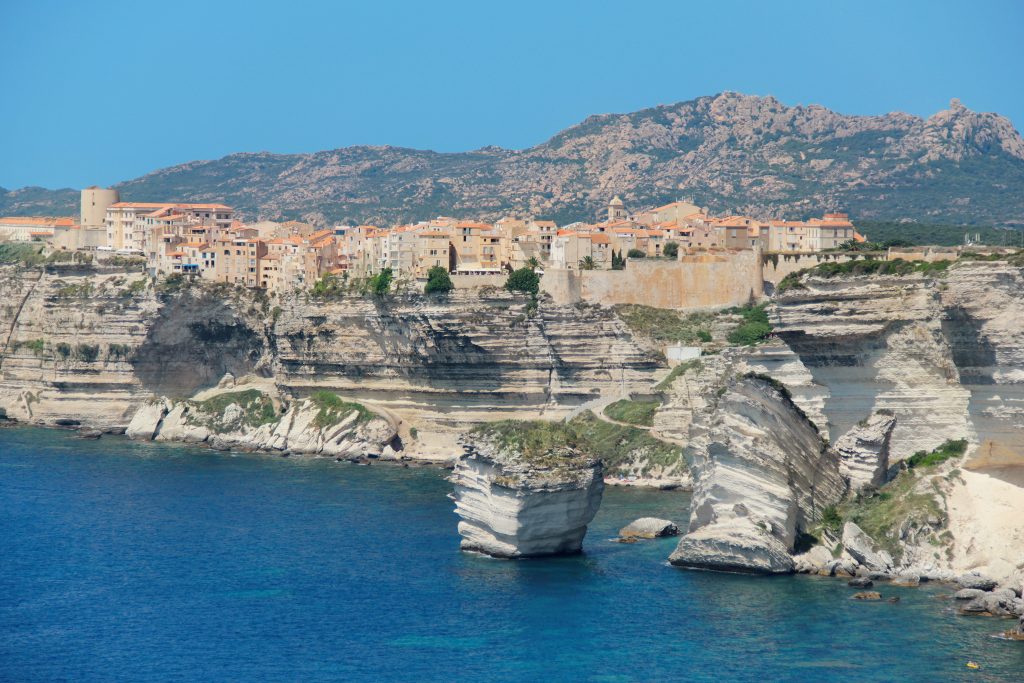
Bonifacio
On the island of Corsica, Bonifacio sits dramatically atop blinding white cliffs.
Why it stands out:
- vertical limestone walls
- medieval town perched at the edge
- sea caves carved by waves
- views toward Sardinia on clear days
It feels like a city suspended over the Mediterranean.
🌊 6. Pointe du Raz — The Edge of Brittany
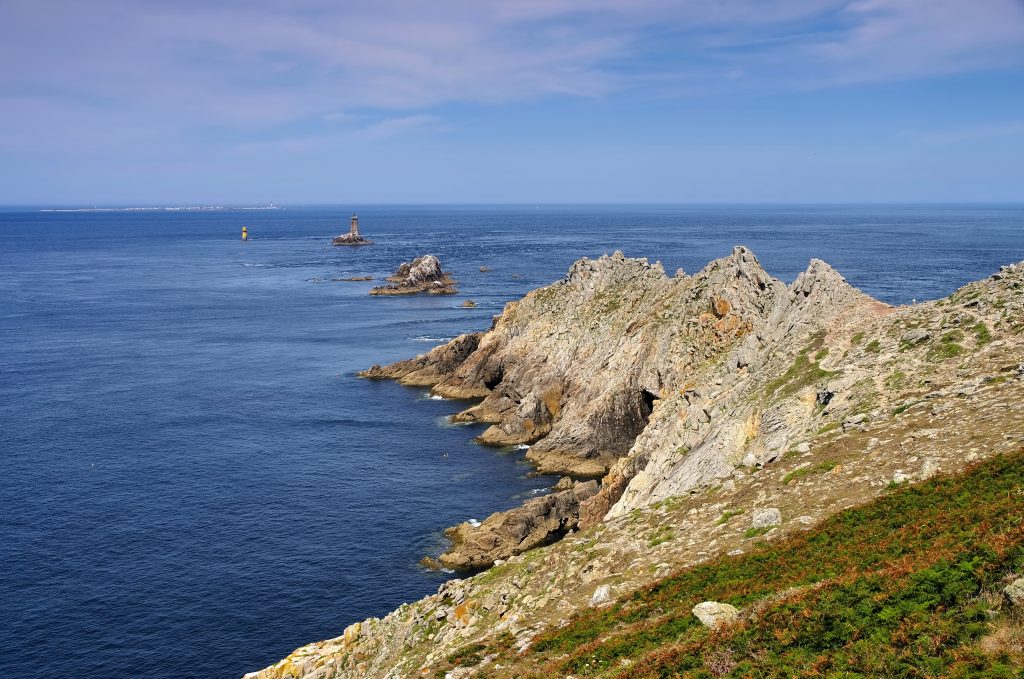
Pointe du Raz
On the Atlantic coast of Brittany, Pointe du Raz is one of France’s most exposed headlands.
What makes it powerful:
- strong Atlantic winds
- massive waves crashing below
- grassy cliff tops
- dramatic lighthouse views
It feels like standing at the edge of the continent.
🪨 7. Cap Blanc-Nez — White Cliffs Facing England
Cap Blanc-Nez
In northern France, Cap Blanc-Nez offers sweeping views across the English Channel toward England.
Highlights:
- bright chalk cliffs
- panoramic sea views
- walking trails along the ridge
- visibility of the UK on clear days
A quieter, more open alternative to Étretat.
🌋 8. Cap Corse Cliffs — Corsica’s Wild Northern Spine
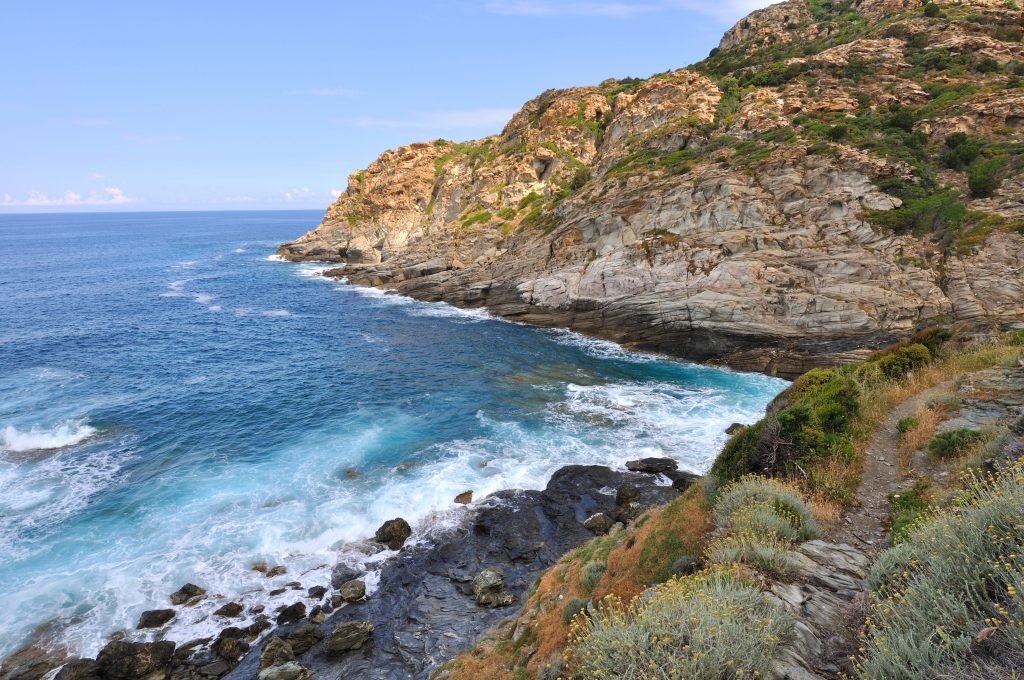
Cap Corse
Cap Corse is a narrow peninsula of dramatic cliffs and winding roads.
What you’ll see:
- steep coastal roads above the sea
- isolated Genoese towers
- wild Mediterranean vegetation
- constant ocean views
It feels remote even within Corsica.
🌅 Why France Has So Many Cliff Landscapes
France’s cliffs are shaped by three major forces:
1. Two very different seas
- Atlantic: wild, stormy, erosive
- Mediterranean: calm but deeply carved
2. Diverse geology
- chalk (Normandy)
- limestone (Provence, Corsica)
- granite (Brittany)
3. Long coastline
Thousands of kilometers of varied terrain.
🧭 Best Way to Experience Them
- 🌅 Go early or late for soft light
- 🌬️ Expect wind (especially in Normandy & Brittany)
- 🥾 Wear proper shoes for cliff paths
- 🚫 Stay behind safety barriers
- 📍 Don’t just visit Étretat—combine regions
✨ Final Thought
Étretat may be France’s most famous cliff, but it’s only one chapter in a much larger story.
From the fiery red walls of Cap Canaille to the wild Atlantic edges of Pointe du Raz and the white towers of Bonifacio, France’s cliffs are incredibly diverse—each shaped by different seas, stones, and winds.
Together, they reveal something simple but powerful:
France isn’t just a country of cities and villages—it’s a country carved by the sea. 🌊🏔️🇫🇷✨
