
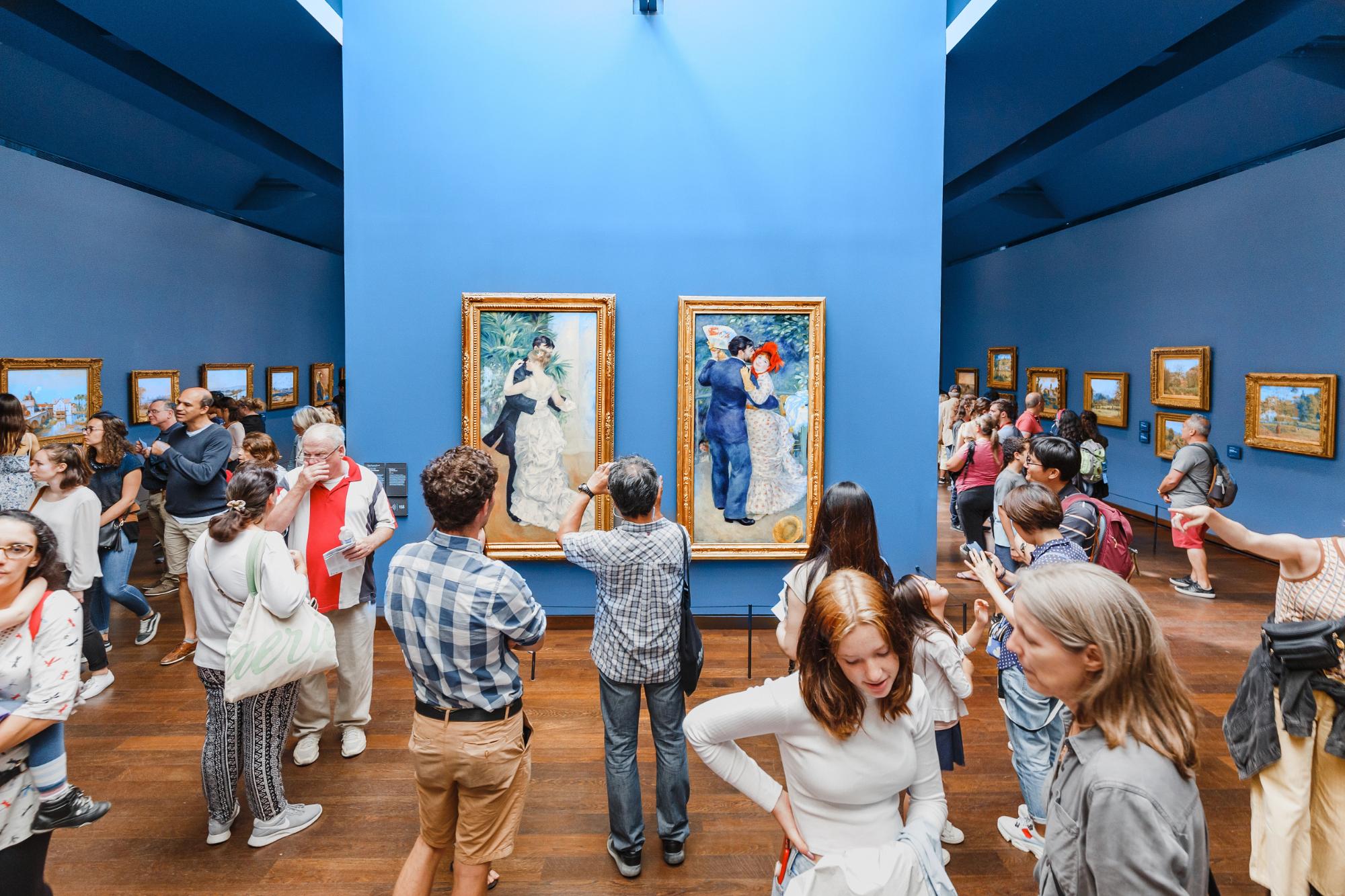
You’ve made it to the Musée de l’Orangerie—tucked into the corner of the Tuileries Garden—and you’re standing in front of what looks like a Monet. But is it really the real thing? With so many lookalikes in Paris and reproductions all over the world, it can be hard to tell.
This guide will help you spot the real Monets, understand what you’re looking at, and make the most of your visit—whether you’re a casual traveler or an art lover on a mission.
🖼️ Start with the Water Lilies (Les Nymphéas) — The Real Deal
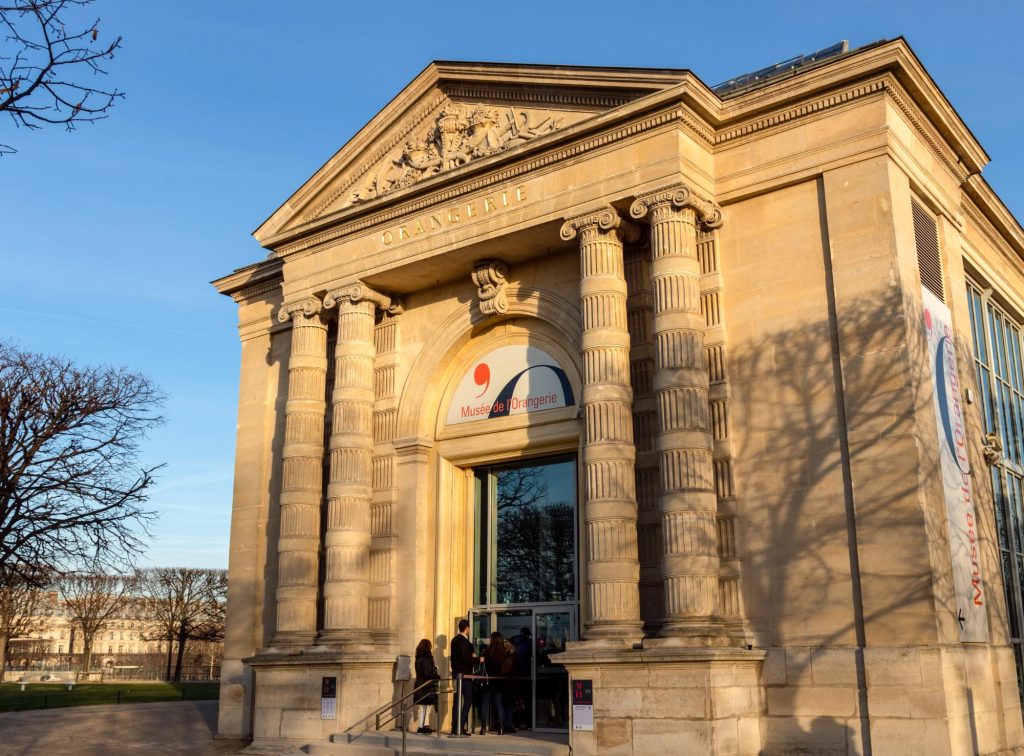
The Musée de l’Orangerie’s crown jewel is without question Monet’s “Les Nymphéas”—eight monumental Water Lilies murals that wrap around two oval-shaped galleries. Installed just after his death, they were Monet’s personal gift to France, offered in 1918 as a symbol of peace after the horrors of World War I.
Rather than framed, individual paintings, these works form a full sensory experience. The oval rooms, flooded with soft natural light from above, were designed specifically to showcase these murals, based on Monet’s own vision. The idea was to surround the viewer—to step inside his garden at Giverny and experience the changing moods of water, sky, and light.
👉 How to Know They’re Real: Key Details That Set Them Apart
- 🎨 Painted by Monet himself between 1915 and 1926, during the last years of his life.
He worked on them obsessively in his studio in Giverny, often painting for hours despite failing eyesight due to cataracts. - ✍️ No signature? No problem.
Monet intentionally left them unsigned, seeing these not as “paintings to sell,” but as immersive, emotional environments. For him, these weren’t artworks to be admired from a distance—they were spaces to enter. - 🌀 The space itself is part of the artwork.
The oval rooms were created based on Monet’s specific instructions—curved walls, skylights above, and a circular layout to mirror the rhythms of nature and water.
It’s the only museum installation in the world that was personally designed by Monet to house his work.
💡 Local Tip: Experience It the Way Monet Intended
Don’t just walk in and take photos—slow down. Stand at the very center of each oval room. Take a deep breath. Let your eyes follow the shifting reflections, the play of color and light, the soft movement of lily pads and sky.
🌀 Slowly turn 360° in silence. Monet imagined these murals as a space for contemplation and healing—what he called a “peaceful refuge.” The oval design was meant to encourage stillness, not sightseeing.
📸 Pro tip: Photos are allowed (no flash), but try looking without your phone first. The impact is emotional, not digital.
🧑🎨 But Wait, There Are Other Monets (Downstairs)
Most visitors come to the Orangerie for the giant Water Lilies murals upstairs—and understandably so. But what many miss is that there’s a second Monet masterpiece tucked away on the lower level, inside the Jean Walter & Paul Guillaume collection, among works by Renoir, Cézanne, Modigliani, Matisse, and Picasso.
This lesser-known gem is “Argenteuil” (1875)—a luminous, riverfront scene painted during Monet’s early Impressionist years. It’s smaller, more intimate, and a complete contrast to the grand, immersive murals above.
🎨 “Argenteuil” (1875): A Snapshot of Light and Life
Painted when Monet was living in Argenteuil, a small town along the Seine just outside Paris, this canvas captures a tranquil riverside moment: soft ripples in the water, boats docked lazily at the edge, light shimmering across the surface.
It’s filled with what made Monet famous: feather-light brushstrokes, airy composition, and the sense that you’re catching a fleeting moment in time. Unlike the water lilies—painted during his later, introspective years—this work is bright, youthful, and full of energy.
🖌️ Look closely:
- Soft pastel blues and greens dominate the scene.
- You’ll notice the signature “Claude Monet” in the corner—a contrast to the unsigned murals upstairs.
- The brushwork feels loose, even messy up close—but step back, and the whole scene comes to life.
🔍 How to Spot a Real Monet (Even Without a Label)
Once you’ve seen a few, you start to recognize Monet’s signature style. Here’s what to look for:
- Brushwork: His strokes are quick, layered, and often look almost unfinished when viewed too closely. But that’s the magic—the image sharpens from a few steps away.
- Light: Monet was obsessed with the way light changed throughout the day. His paintings often feature shifting shadows, warm reflections, or soft mist.
- Subjects: Think of peaceful nature—rivers, gardens, foggy mornings, poplar trees, haystacks, and famously, water lilies. You’ll rarely see dramatic scenes or detailed figures—his goal was atmosphere over accuracy.
💡 Fun fact: Monet often painted the same subject over and over at different times of day or in different weather—just to capture the changing light. The Rouen Cathedral, Haystacks, and Poplars series are prime examples.
📍 Where to find “Argenteuil”: It’s located in the Jean Walter & Paul Guillaume Collection, on the lower level. Don’t rush through this space—there’s incredible work here, but “Argenteuil” is easy to miss if you’re not paying attention. Look for a soft, glowy river scene among the brighter Renoirs and bold Matisses.
🎟️ Planning Your Visit (So You Don’t Miss Anything)
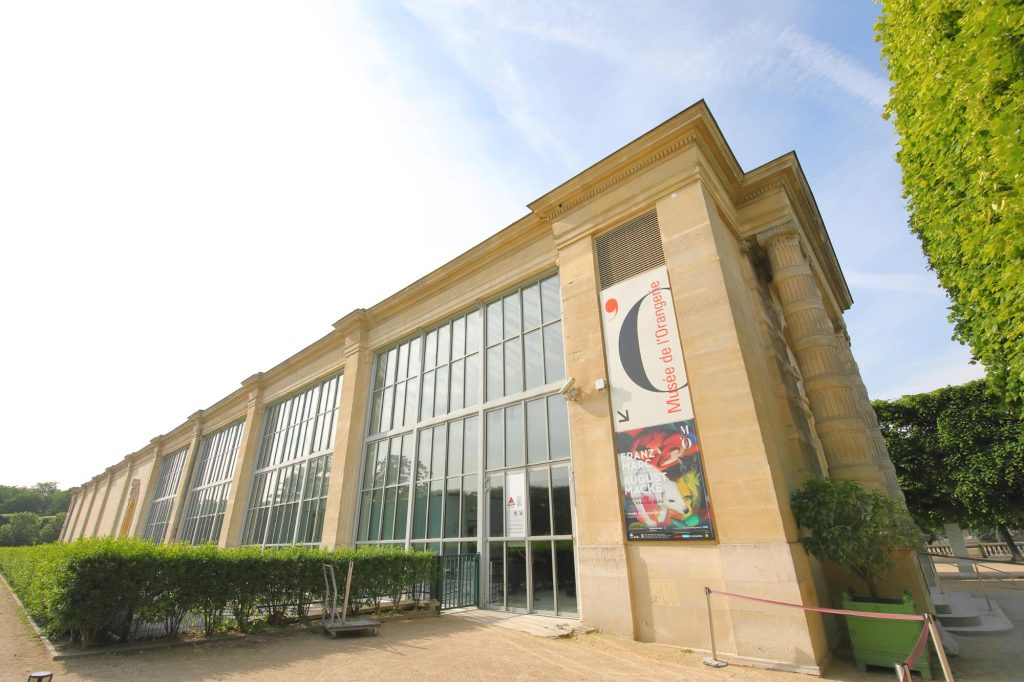
📍 Location: The Musée de l’Orangerie is nestled at the west end of the Tuileries Garden, right by Place de la Concorde—an easy walk from the Louvre or along the Seine. It’s smaller than other Paris museums, but that’s part of its charm. Think of it as an oasis in the middle of the city.
🕘 When to go:
- Aim for early morning (right when it opens) or late afternoon (after 4 PM). That’s when you’ll avoid the big tour groups and school trips.
- Weekdays, especially Tuesdays and Wednesdays, tend to be quieter.
- Try to avoid peak midday hours—Monet’s Water Lilies deserve to be seen in silence, not elbow-to-elbow.
🎧 Bring headphones or earbuds. Download the Orangerie’s official app or use their Monet audio guide—it offers fascinating backstory and gently walks you through how to engage with the art (perfect if you’re new to Impressionism).
📸 Photography is allowed—just no flash. That said, try not to experience the museum only through your phone. Take your time. Snap a few shots, then put the camera away and just… be there.
💬 Pro tip: Benches are placed around the Water Lilies galleries. Sit. Breathe. Watch the light shift. That’s exactly what Monet wanted.
✨ One Last Tip: Don’t Just Look—Feel
Seeing a real Monet is not about checking something off your Paris to-do list. It’s about letting go of time, of facts, of pressure to “get it right.” Monet didn’t paint to impress or explain—he painted to capture fleeting emotion: a glimmer on water, a hazy morning, the quiet between thoughts.
💡 Whether you’re an art lover or not, this isn’t about expertise. It’s about how it makes you feel.
So when you enter those oval rooms, slow down. Walk the circle. Stand still. Let the color and movement wash over you. You don’t need to “understand” Monet—you just need to feel him.
🎧 No words, no rush—just water, light, silence. That’s the real Paris moment.
