
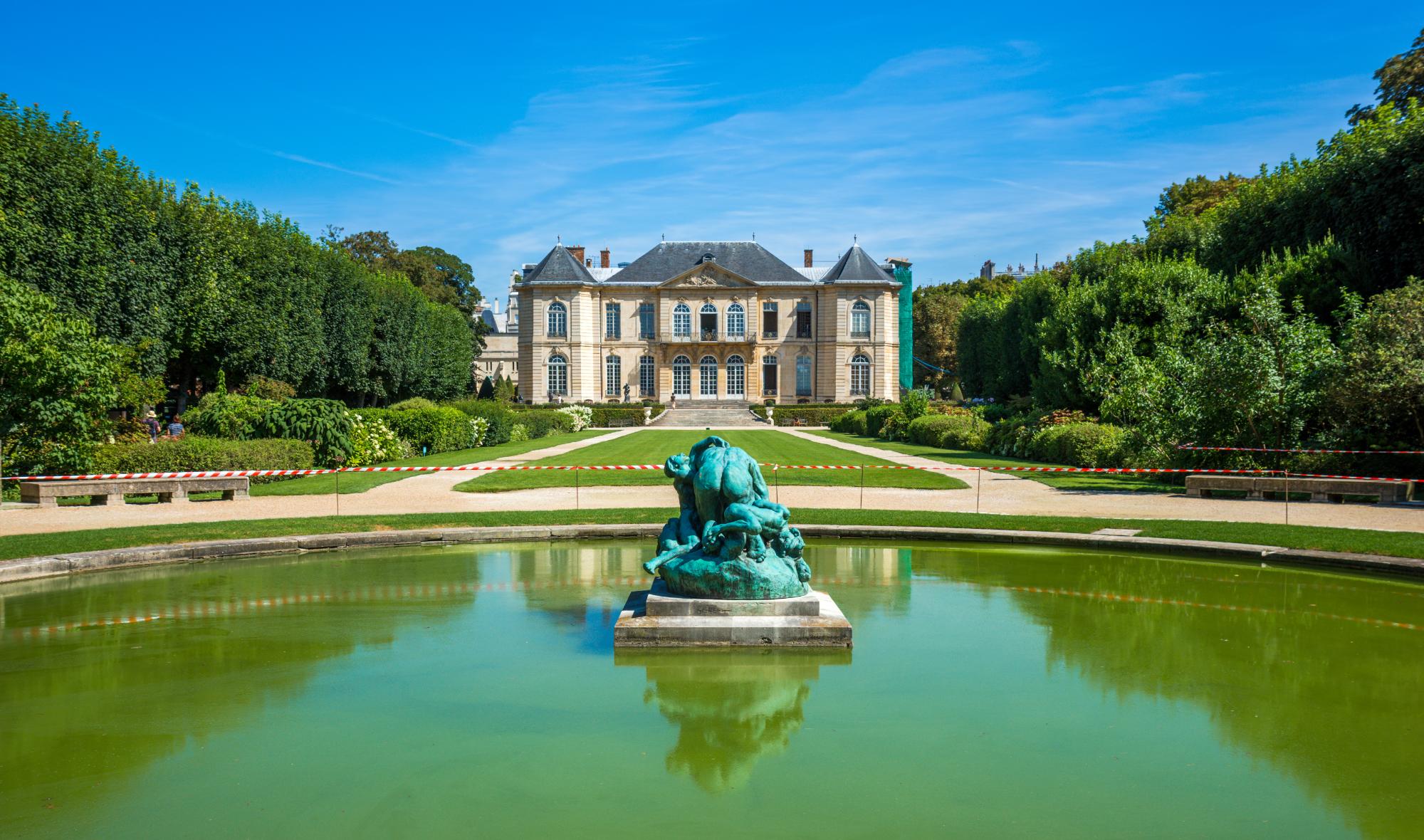
Sculpture, serenity, and one of the dreamiest gardens in Paris—without the Louvre crowds.
If you’re visiting Paris and want a cultural moment that feels more romantic than rushed, add the Musée Rodin to your list. Tucked behind Hôtel des Invalides in the 7th arrondissement, this museum is an oasis of quiet beauty—with both indoor galleries and sprawling sculpture-filled gardens.
Best part? It’s smaller, calmer, and absolutely stunning—a favorite among locals and art lovers who want that “wow” moment without the chaos of the big museums.
Whether you’re into history, art, or just looking for the perfect photo op, here’s what you absolutely can’t miss when you visit the Rodin Museum:
1. 🧠 The Thinker (Le Penseur) – Rodin’s Most Famous Work
📍 In the garden, just past the entrance
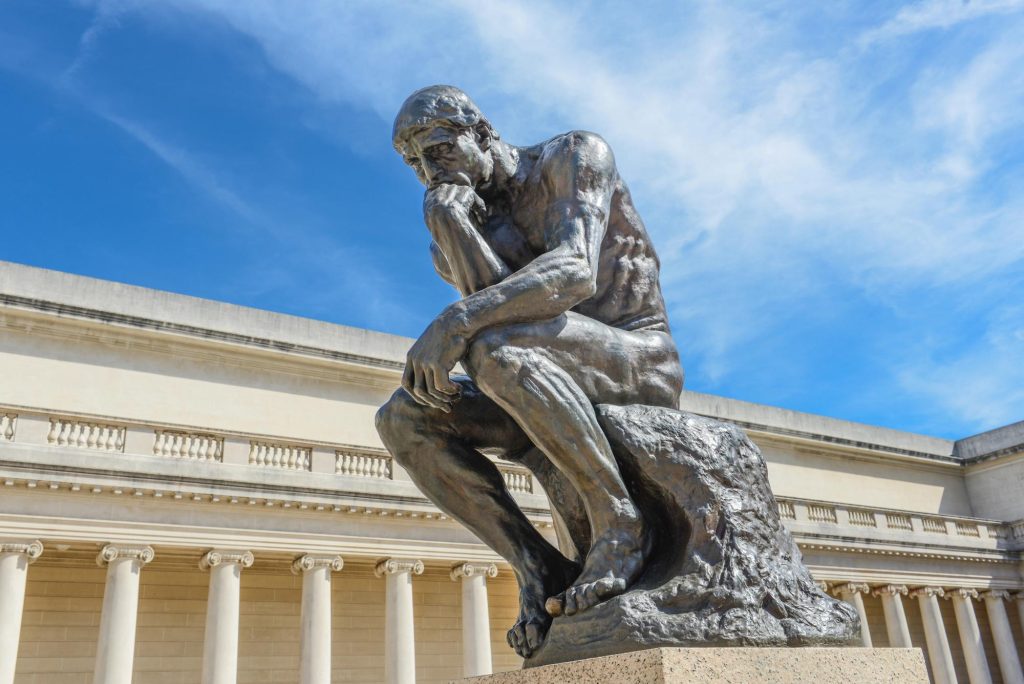
As soon as you walk into the Rodin Museum’s sculpture garden, you’ll come face to face with one of the most iconic artworks in the world: Le Penseur (The Thinker).
But this isn’t just a statue—it’s a moment of pure intensity frozen in bronze. Towering over the gravel path from his stone pedestal, the Thinker sits hunched forward, muscles tense, chin resting on one clenched hand. His expression is raw and weighty—not calm and academic, but deeply human, as if he’s wrestling with something far greater than himself.
🗿 More Than Just a Famous Pose
Rodin didn’t create this sculpture to be famous—it was originally part of a much larger work: The Gates of Hell, a massive bronze doorway inspired by Dante’s Inferno. The Thinker was meant to represent Dante himself, contemplating the souls below.
But over time, the figure took on a life of its own. Today, The Thinker symbolizes introspection, creativity, philosophy, and even internal struggle. It’s been reproduced all over the world—but this version, in the garden Rodin designed himself, is the original large cast, and arguably the most powerful.
🌿 The Setting: Why It Feels So Different Here
Surrounded by roses, hedges, and wide sky, the statue feels more alive than it ever could in a gallery. Birds chirp, leaves rustle, and there’s space to walk all the way around it—seeing how the light shifts across the bronze muscles depending on the angle and time of day.
🧘♀️ Many visitors find themselves pausing here longer than expected. It’s quiet. Reflective. And it sets the tone for the entire Rodin Museum: art meant to be felt, not just observed.
💡 Pinterest Tip: Stand about 10–15 feet back, directly in front of the statue. Use the garden’s greenery and the museum façade to frame your photo. If the weather’s good, you’ll capture the contrast of the dark bronze against a soft blue sky—a timeless Paris moment.
💡 Local tip: Go in the early morning or just before closing for fewer people and the best golden light on the statue’s form.
2. 🌿 The Gardens – A Living Sculpture Gallery You Can Stroll Through
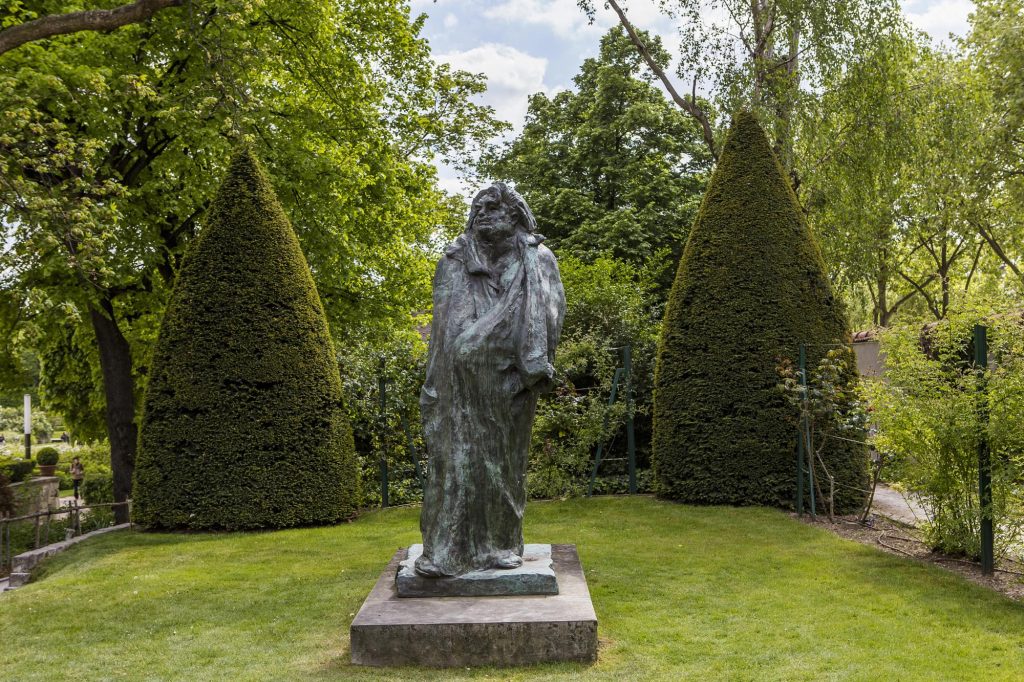
Wander through 7 acres of carefully designed beauty: gravel paths winding between hedges, fountains gurgling softly, birds flitting through rose bushes, and benches perfectly placed for rest, reflection—or romance. This isn’t just a garden—it’s a museum under open sky.
As you stroll, you’ll discover bronze sculptures nestled among nature, each one placed thoughtfully, as if Rodin himself chose the exact spot.
🌸 What to Look For Along the Way:
- 🗿 The Burghers of Calais
A hauntingly emotional piece that captures six men surrendering to their city’s enemies during the Hundred Years’ War. Their faces show pain, sacrifice, and humanity—up close, you can see every wrinkle and clenched hand. - 🔥 The Gates of Hell
A towering bronze doorway filled with twisting, anguished figures based on Dante’s Inferno. Look closely—you’ll spot The Thinker and other smaller characters woven into the chaos. It’s intense, dark, and utterly mesmerizing. - 🚶 The Walking Man
One of Rodin’s boldest sculptures—unfinished on purpose. With no arms and an incomplete head, the focus is on motion, not identity. It’s powerful in its simplicity and speaks to Rodin’s obsession with the human form.
💡 Local Tip:
Don’t skip the garden—even if you’re short on time. You can actually purchase a garden-only ticket, which is cheaper than full entry and gives you access to most of the museum’s most famous sculptures.
🌞 On warm days, Parisians come here just to sit and read among the statues. Pack a croissant or baguette, grab a bench, and enjoy a truly peaceful escape in the middle of the city.
📸 Pinterest tip: Visit in late spring or early fall for the best light and blooming roses—the contrast of bronze and soft petals is a dream for your camera.
3. 🕰️ Inside Hôtel Biron – Where Rodin’s Art Comes to Life
Step inside the Hôtel Biron, the elegant 18th-century mansion at the heart of the Rodin Museum, and you’ll understand why many visitors say this is one of the most atmospheric museums in Paris.
With its sun-drenched rooms, creaky parquet floors, chandeliers, and grand windows opening onto the gardens, the space itself feels like part of Rodin’s art. The galleries are calm and uncrowded, allowing you to truly slow down and absorb the emotion and craftsmanship of each piece.
🏛️ What You’ll See Inside:
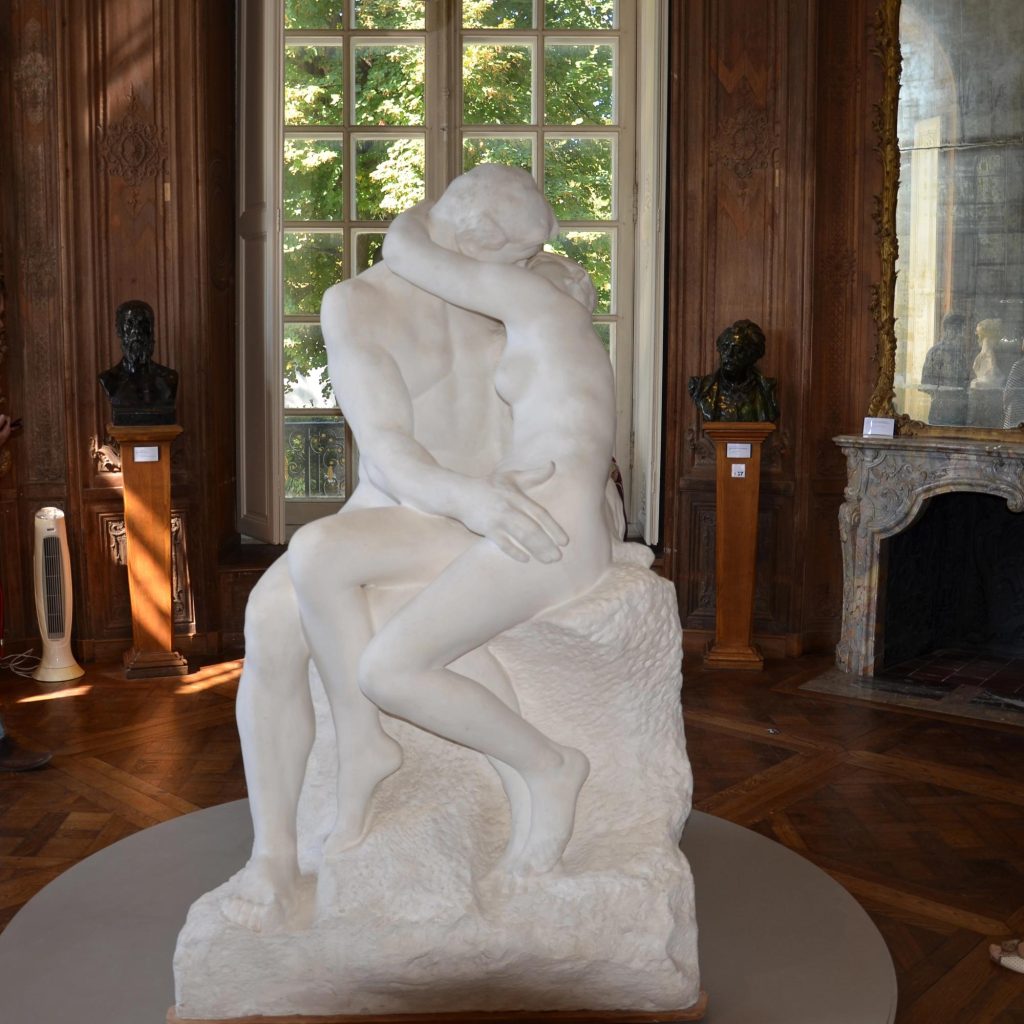
- 💞 Rodin’s Marble The Kiss
Arguably one of the most sensual sculptures ever made. This luminous white marble piece captures a moment of deep connection—two lovers frozen in an eternal embrace. Up close, you’ll notice the curves, the softness of the lips, the delicate hands—all carved from cold stone, yet alive with feeling. - 🧠 Portrait Busts of Poets and Thinkers
Rodin’s talent for capturing personality shines here. His bust of Victor Hugo feels almost like a living presence, while others—Balzac, Clemenceau—reveal his mastery of emotion through form. - 🌀 Plaster studies, tools, and ancient art
You’ll find raw, unfinished works that reveal Rodin’s process: rough edges, finger marks, even broken limbs. Some rooms also feature pieces from his personal collection—Greek, Roman, and Egyptian antiquities that inspired him.
💡 What Makes It Special:
Unlike massive museums where art feels distant, Hôtel Biron is intimate and soulful. You’re not just seeing sculptures—you’re inside Rodin’s world, surrounded by the same light, shadows, and walls he once knew.
🌞 On sunny days, the rooms are bathed in golden light, creating natural contrast on the marble and plaster that changes as you walk.
📸 Pinterest Tip: Don’t leave without a photo of the grand staircase—its dramatic curve, white railings, and warm wooden steps are an aesthetic dream (and rarely crowded!). It’s one of the most photogenic indoor spots in Paris.
💡 Local tip: Stop and look out the tall windows—you’ll get beautiful framed views of the garden, statues, and even glimpses of the Eiffel Tower through the trees.
4. 🎭 Camille Claudel – The Muse Who Became a Master
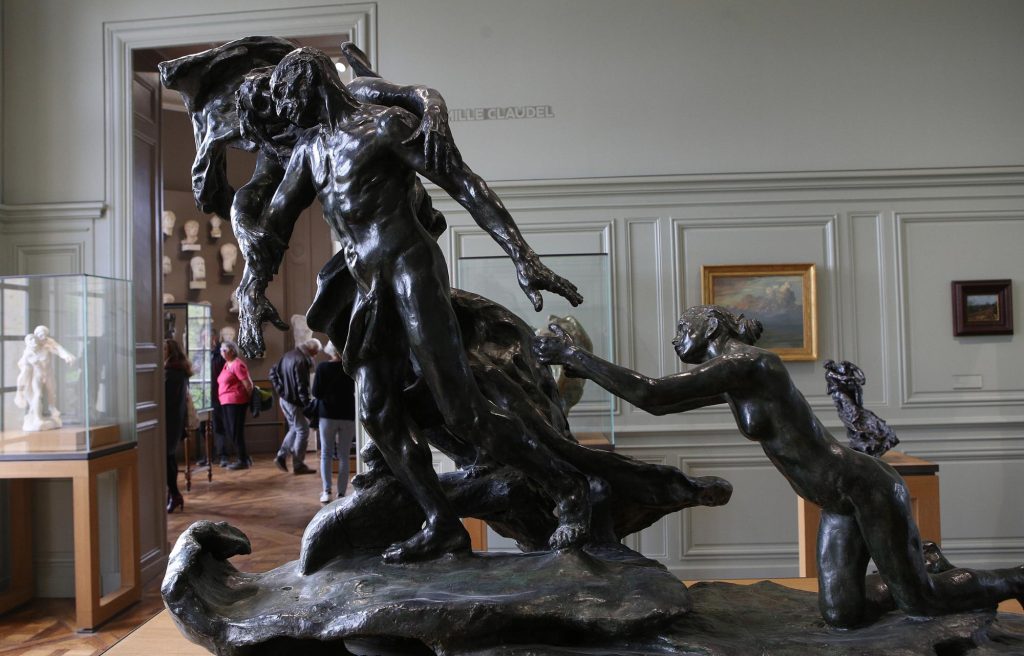
While Auguste Rodin’s name is etched in art history, many visitors are surprised—and deeply moved—by the work of Camille Claudel, his student, collaborator, and muse.
Their relationship was as passionate as it was turbulent, and for years her genius was overshadowed by his fame. But today, the Musée Rodin gives Camille Claudel the space and recognition she deserves.
In several quiet rooms inside Hôtel Biron, you’ll find her sculptures: expressive, dynamic, and deeply personal. Unlike Rodin’s more heroic forms, Claudel’s pieces often focus on emotion, tension, and transformation—some say you can feel her pain and brilliance in every curve.
🗿 Don’t Miss These Highlights:
- “The Waltz” (La Valse) – A sensual, swirling dance between two figures, their forms half-abstract, half-embraced. It feels like motion caught mid-breath.
- “Clotho” – Inspired by Greek mythology, this hauntingly twisted figure represents the fate that spins the thread of life. It’s raw and unflinching—a reflection of the struggles Claudel faced in her own life.
Many of her works are unfinished, yet that’s part of their power—they feel alive, urgent, and unfiltered.
💡 Pro Tip: Take time to read her story as you explore. The museum includes touching biographical details: how Claudel struggled to be taken seriously as a woman artist in the late 1800s, her tumultuous love affair with Rodin, her fierce independence, and her eventual descent into mental illness and isolation.
Knowing her backstory deepens the experience immensely—suddenly, her sculptures aren’t just beautiful—they’re heartbreaking, defiant, and unforgettable.
📸 Pinterest tip: Her work is more subtle than Rodin’s, so focus on close-up shots that capture textures, hands, and facial expressions.
5. 🌇 A Hidden Eiffel Tower View You Won’t Find on Postcards
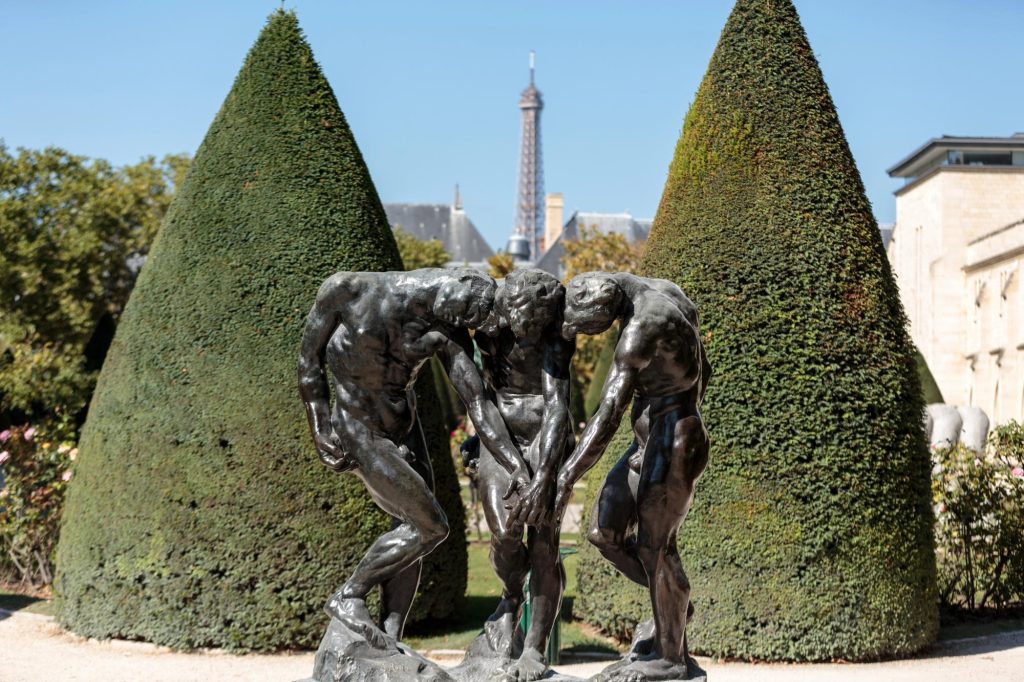
As you wander through the far end of the Rodin Museum garden—past the fountains, past The Thinker, past the roses brushing against bronze—you’ll stumble upon one of the museum’s quietest, most magical surprises:
👉 A framed view of the Eiffel Tower, rising just above the treetops and hedges.
Unlike the classic (and crowded) viewpoints at Trocadéro or Champ de Mars, this one feels personal. You’re standing among world-class sculpture, birdsong in the background, the golden dome of Invalides behind you—and there, in the distance, the Iron Lady peeking out like she’s part of the scene Rodin designed himself.
✨ Why It’s Special:
This isn’t a “tourist photo spot.” It’s a serene, almost cinematic moment—a little-known angle of the Eiffel Tower seen through a lens of art and nature.
📍 The spot is near the back edge of the garden, not far from The Gates of Hell. Look for a curved path where the trees clear—that’s your frame.
📸 Best Time for the Shot: Golden hour—just before sunset—is when the light softens, the bronze glows, and the Eiffel Tower silhouette turns to pure romance. On clear evenings, the sky behind the tower can shift from dusty pink to lavender blue.
💡 Pinterest tip: Step back and include foreground elements—like a Rodin statue, flowerbed, or hedge—for a more layered, Parisian scene that’s far from the typical postcard cliché.
✨ Why the Rodin Museum Feels So Special
Unlike other major museums, Rodin’s feels personal, poetic, and intimate. You’re not just looking at art—you’re walking through the life and soul of an artist. It’s a breath of calm in the middle of Paris.
📌 Save this Post for Your Paris Trip
Pin Title: What You Can’t Miss at the Rodin Museum Pin Description: Planning a trip to Paris? Discover the must-see sculptures, gardens, and secrets inside the Musée Rodin. A peaceful art escape—with an Eiffel Tower view.
