
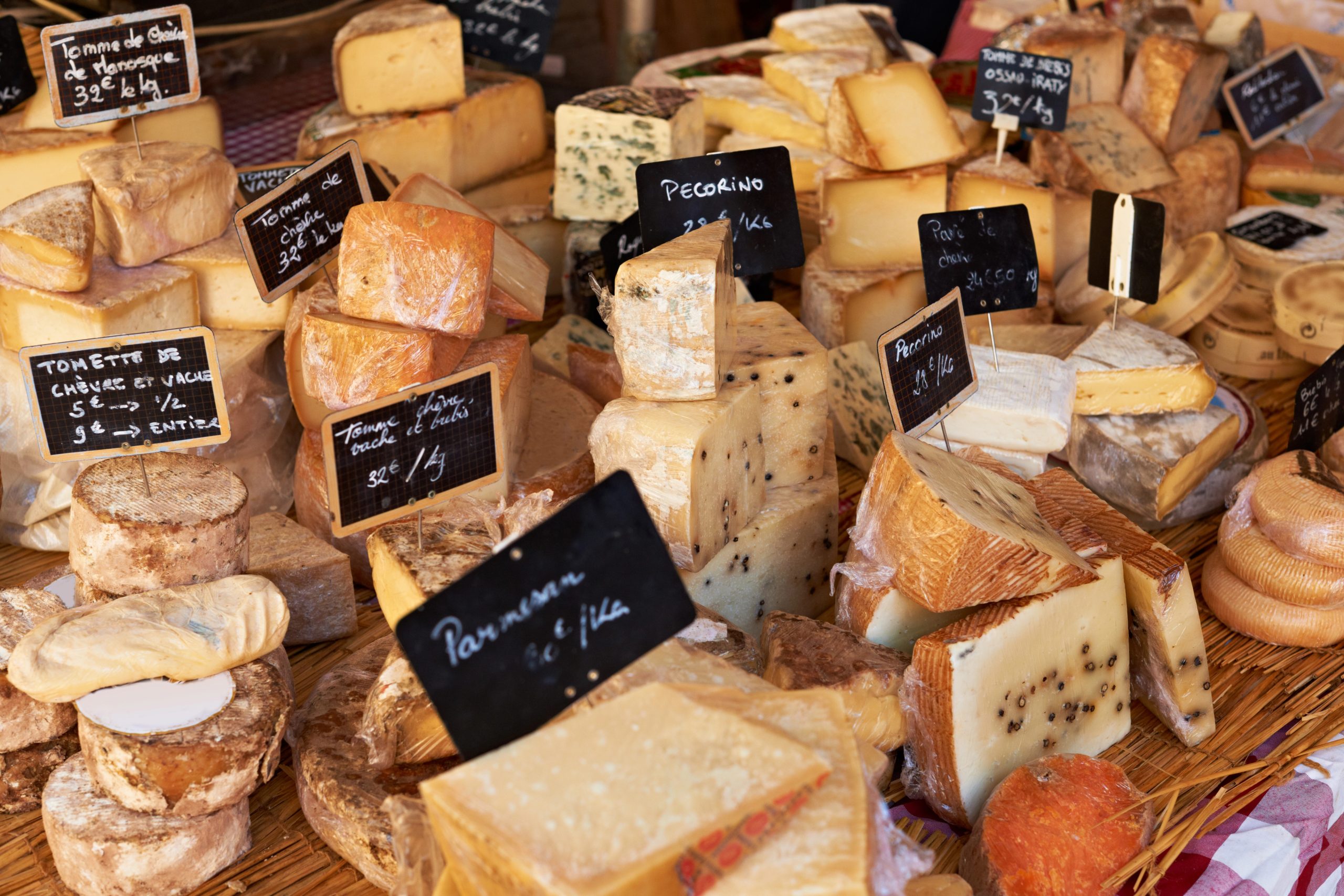
Cheese in France isn’t just food—it’s culture, craft, and ceremony. From crumbly blue cheeses to creamy bries and nutty comtés, each region has its own specialties. But if you want to order cheese like a true French local, there’s a little etiquette, insider knowledge, and flair you need to know.
Here’s your step-by-step guide to navigating French cheese counters with confidence.
1. Know the Types of Cheese

The French classify cheese into categories, which helps when ordering:
- Fresh cheeses (fromages frais): Examples include chèvre, ricotta-style fromage blanc, or cottage-style cheeses. Light, creamy, and often eaten as a snack or dessert.
- Soft cheeses (fromages à pâte molle): Brie, Camembert, or Reblochon. Soft, sometimes runny, often served at room temperature.
- Semi-hard cheeses (fromages à pâte pressée): Comté, Beaufort, or Cantal. Aged cheeses with firm textures and rich flavor.
- Blue cheeses (fromages à pâte persillée): Roquefort, Bleu d’Auvergne. Strong, tangy, and aromatic.
- Goat cheeses (fromages de chèvre): Often small, cylindrical or pyramidal, can be fresh, aged, or coated in herbs.
Tip: Learn the main regions—Comté from Jura, Roquefort from Aveyron, Brie from Île-de-France. It helps when chatting with the fromager (cheese expert).
2. Speak the Lingo
Ordering cheese like a French person isn’t just about the product—it’s about how you talk to the fromager.
- “Je voudrais…” – “I would like…”
- “Un morceau de…” – “A piece of…” (literally, a slice or portion)
- “100 grammes de…” – Specify the weight if you want a precise amount.
- “Affiné combien de temps ?” – “How long has it been aged?” (shows you care about quality).
Pro tip: Always say “s’il vous plaît” and compliment the fromager—they love talking about their cheeses.
3. Ask for Advice
The best French cheese shops will happily help you choose based on your meal or taste.
Questions to ask:
- “Quel fromage me conseillez-vous pour accompagner ce vin rouge ?” (Which cheese do you recommend with this red wine?)
- “Quel fromage est le plus crémeux / fort / doux ?”
Tip: Don’t be afraid to try something unfamiliar—French locals love introducing curious visitors to new flavors.
4. Portions & Presentation
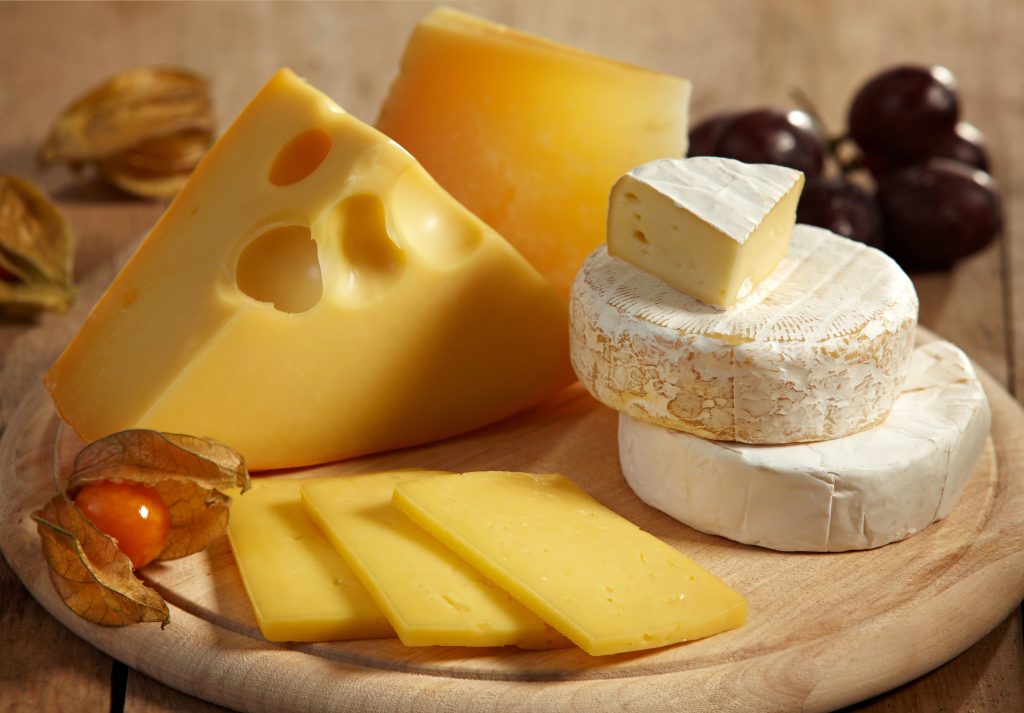
Buying French Cheese: Key Tips
- Sold by weight: French cheeses are typically sold by weight, not pre-packaged.
- Portion size: A standard serving is 100–150 grams per person, though it can vary depending on appetite and the rest of your meal.
- Freshly cut: Always ask for the cheese to be cut fresh and wrapped individually—this preserves flavor and creates a more attractive presentation.
5. Pair Like a Local
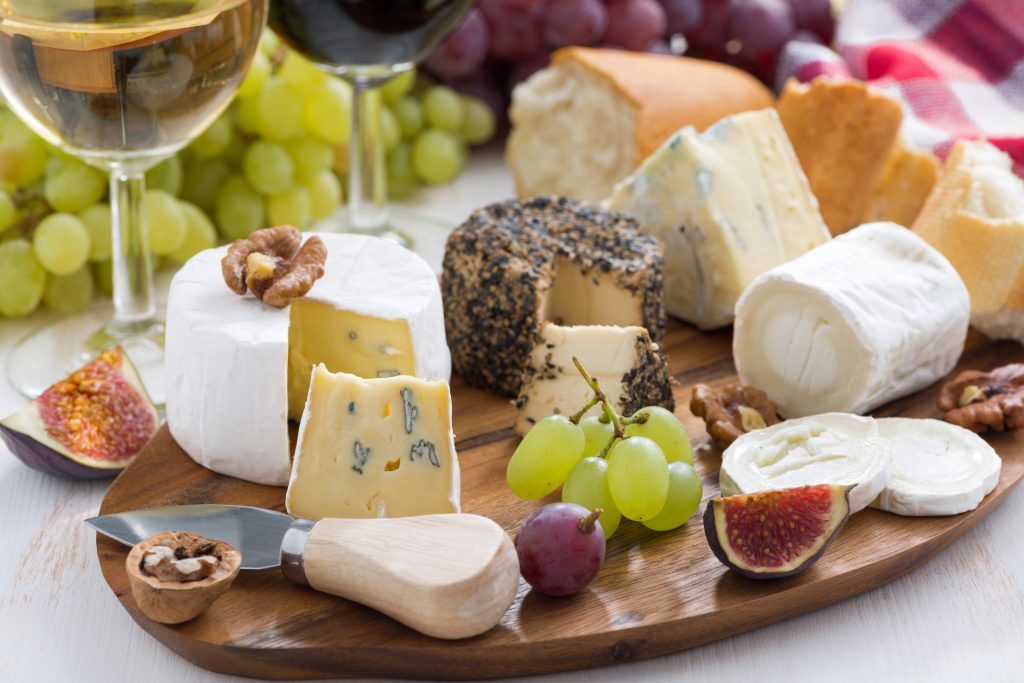
How to Enjoy French Cheese Like a Local
- Bread: A fresh baguette is the timeless accompaniment to any cheese.
- Wine: Ask your fromager for a regional wine pairing to highlight the cheese’s flavors.
- Fruit & Nuts: Grapes, figs, and walnuts are classic companions, especially with stronger cheeses.
Pro Tip: In France, cheese is often served before dessert, as an integral part of the meal rather than a finale—perfect for a true French dining experience.
6. Cheese Etiquette
- Use the right knife: Never use a butter knife—always use the provided cheese knife.
- Taste mindfully: Sample a small piece first; the French savor cheese slowly, enjoying its full flavor.
- Respect portions: Avoid cutting off large chunks with your hands—stick to proper portion sizes to honor the tradition.
❤️ Final Local Tip
Ordering cheese in France is more than a transaction—it’s a cultural experience. Chat with the fromager, ask questions, explore new flavors, and enjoy the ritual of selecting, tasting, and savoring.
Master this, and you’ll leave France with not only delicious cheese, but also a truly French culinary experience.
