
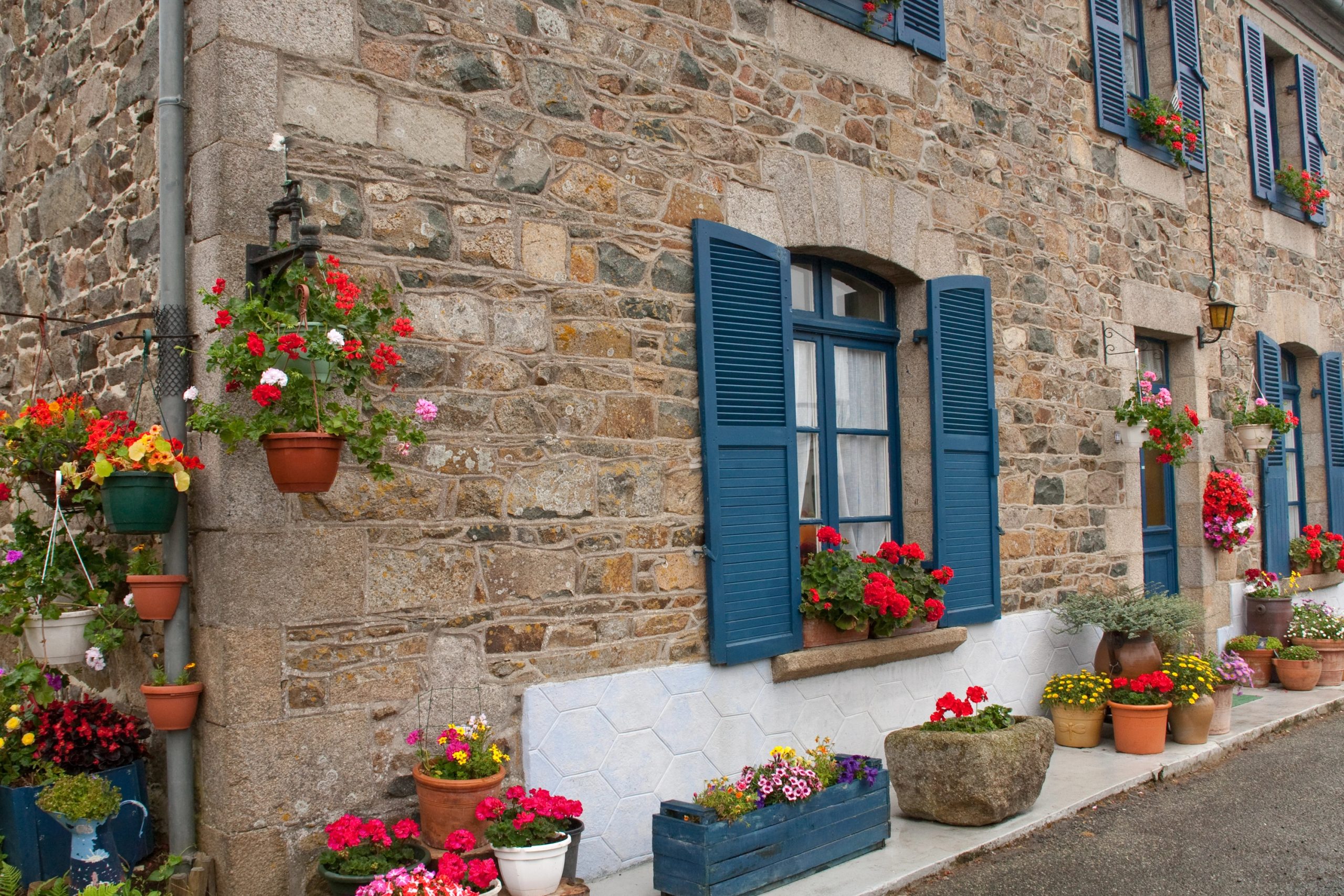
To live in Normandy is to move between apple orchards and the sea, between thousand‑year‑old towns and the quiet rhythm of the tide. It’s a region famous to the world for its cliffs and D‑Day beaches, but for locals it’s more about apples, butter, rain, history that feels close‑to‑home, and small villages where everyone knows your café order.
This is a softer, slower side of France: one that feels like a long, low‑key story rather than a highlight reel.
🧳 Perfect for: travelers who want authenticity, food lovers, history‑curious visitors, and people who like slow, countryside‑driven trips.
Bayeux — Where History Feels Alive
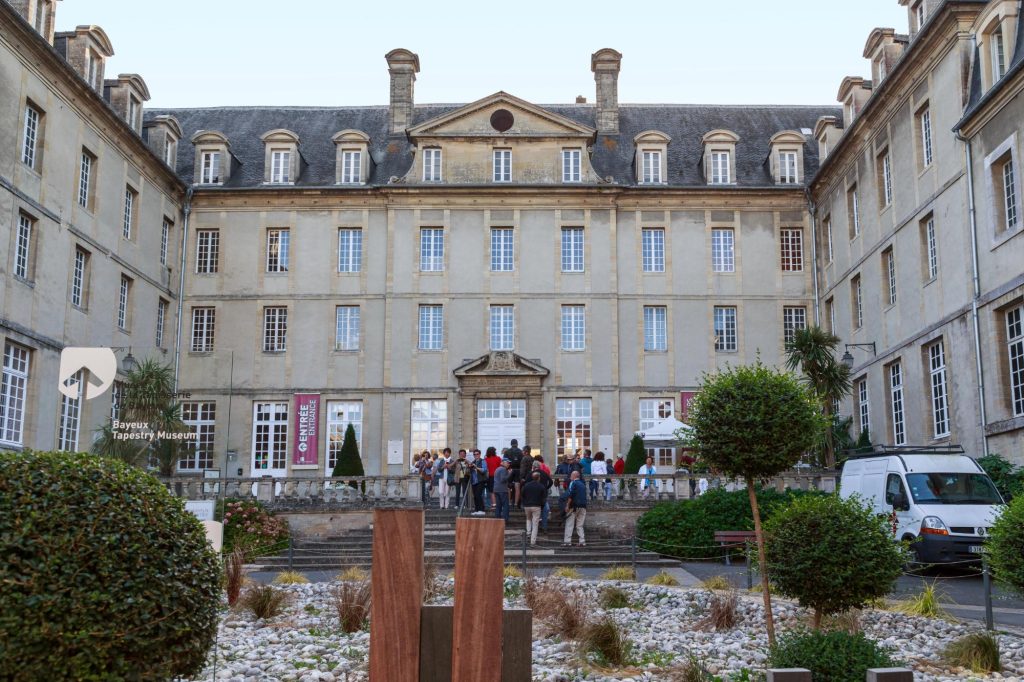
For many Normans, Bayeux is where history doesn’t feel like a museum but part of everyday life. The famous Bayeux Tapestry is a local landmark, and the Saturday‑morning market turns the town into a lively, colorful place where farmers, cheese‑makers, and bakers meet locals over fresh produce.
To a local, Bayeux is a comfortable base: half‑timbered streets, a working cathedral, and easy access to the D‑Day beaches without feeling like you’re crashing into a theme park. It’s the kind of town where you can walk to the farmers’ market, pick up cider, cheese, and charcuterie, and have a relaxed picnic that feels more intimate than a guided tour.
Honfleur and the Seine Estuary
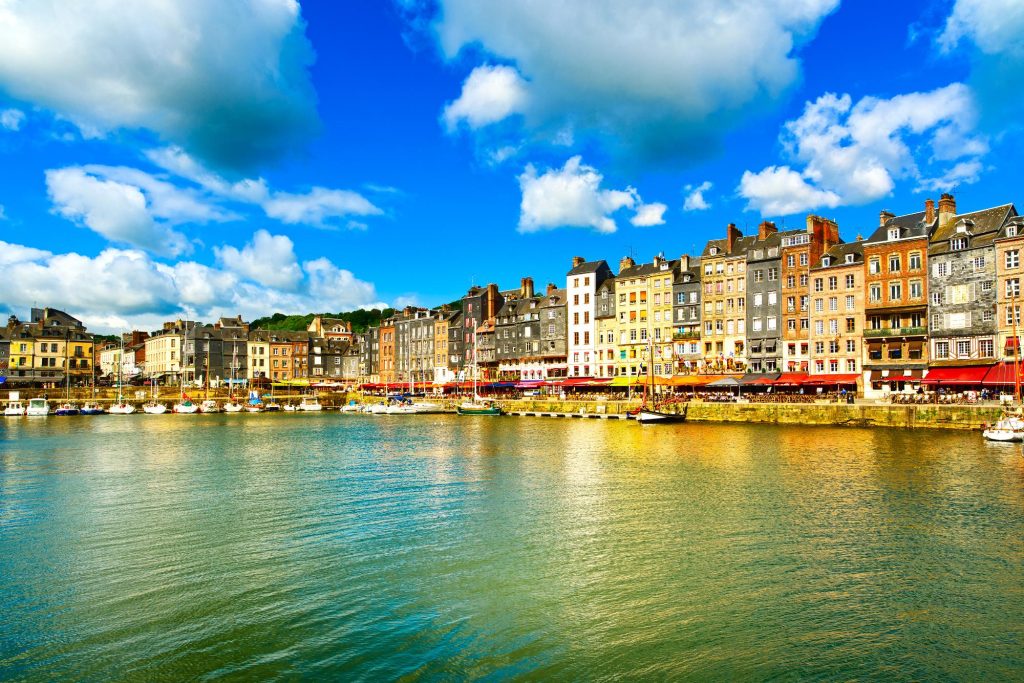
Honfleur, at the mouth of the Seine, feels like the heart of coastal Normandy to many locals. Ships, ferries, and small boats line the harbor, half‑timbered houses glow in the afternoon light, and the place breathes like a working port rather than a postcard.
A local might start the day with a coffee at a harbor‑side café, drive a short distance to a quieter beach for a walk, then come back for a lunch of mussels and cider. The rhythm is calm, and the sea always feels close, even when you’re not technically on the coast.
The Cider Route — A Slow, Tasty Road Trip
The “Cider Route” in the Pays d’Auge is less a strict itinerary and more a local way of traveling through orchards, green hills, and small farms. You pass calvados‑making farms, cider‑houses, and villages where people still talk about the apple harvest as if it were a family event.
For a local, this route is about:
- tasting a glass of still‑fermented cider in a barn,
- watching presses and barrels in motion,
- and hearing the same stories passed down for generations.
That’s what makes it feel different from a tourist‑style tasting room: it’s slower, more personal, and more like a visit to a friend’s farm than a staged experience.
D‑Day Country — Memory Close to Home
For many Normans, the D‑Day beaches and the American Cemetery are not just places of visit, they’re part of the community’s story. Some locals have family stories that run through the events of June 1944 and the months that followed.
A local guide might tell you:
- where their grandparents hid radios,
- how villagers helped soldiers,
- or how the same small town was rebuilt after the war.
That’s why the region feels “war‑torn yet full of life”: the memorials matter, but so do the cafes, churches, and markets that now sit side‑by‑side with history.
The Countryside — Where Normandy Slows Down
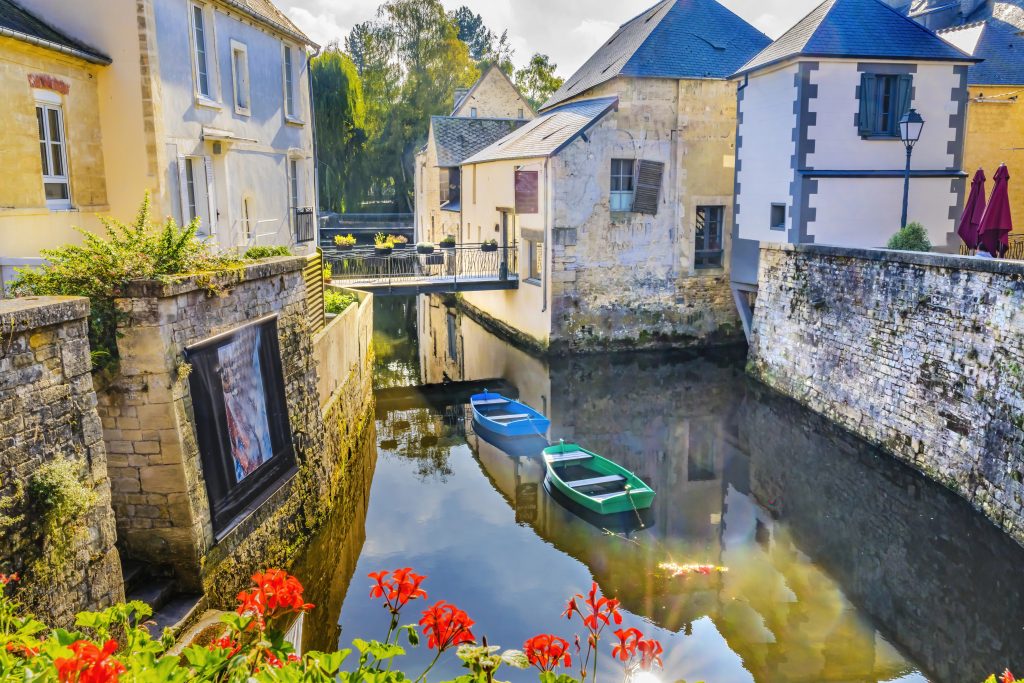
Outside the big towns, Normandy is mostly rolling countryside, hedgerows, farmsteads, and small villages where the road feels like it bends for you alone. Locals often say the best way to see Normandy is not through a checklist but through a slow drive, a bike ride, or a long walk along the fields and the sea.
A typical local‑style day might include:
- a short drive from your gîte or BnB to a lesser‑known beach,
- a stop at a village market,
- a homemade lunch of cheese, bread, and charcuterie,
- and an evening watching the light change over the fields.
Food and Drink — The Local Heartbeat
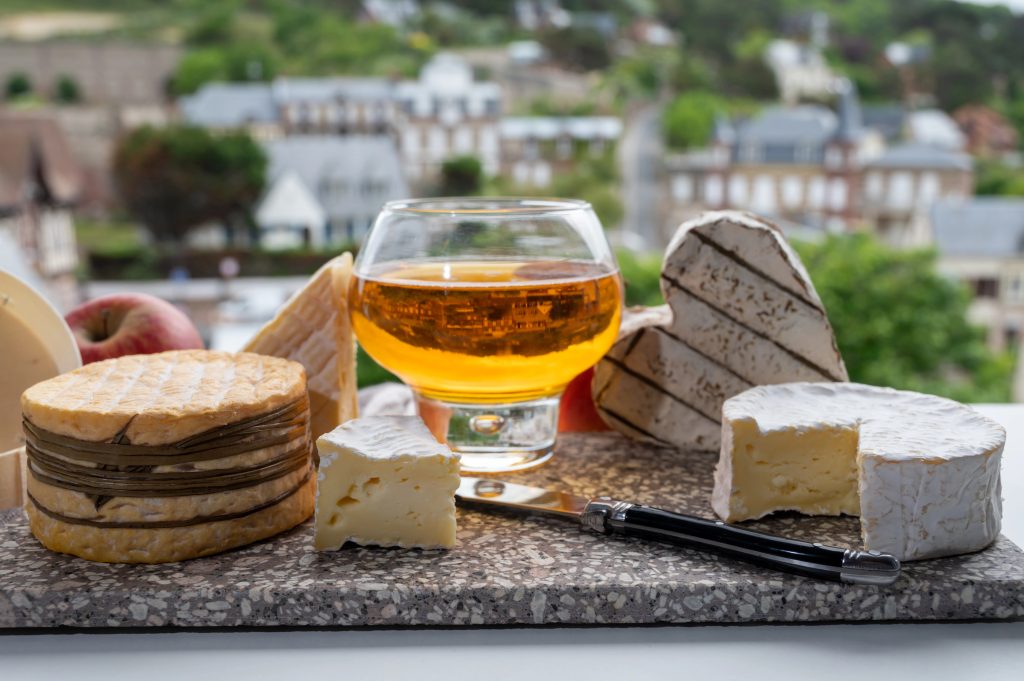
To experience Normandy like a local, you eat like a local. That means:
- Camembert, Pont‑l’Évêque, and Livarot cheese,
- fresh seafood from the coast,
- crêpes and galettes, and
- of course, cider and calvados.
Markets are where the region really feels alive: stalls full of apples, honey, charcuterie, and vegetables, with producers who will tell you how they grow, how they press, or how they age.
What Travelers Usually Miss
Many visitors rush to the beaches or Mont Saint‑Michel, then leave. What they miss is:
- the quiet villages tucked inland,
- the cider farms that feel like family homes more than commercial stops,
- and the way local history and family memory sit side‑by‑side.
A local‑style Normandy trip is one where you give yourself enough time to:
- walk the harbor in Honfleur,
- get lost in the countryside,
- sit at a village café,
- and let the region tell you its story slowly, not on a schedule.
