
Dining in France isn’t just about the food—it’s a cultural experience with its own set of unwritten rules. While French restaurants welcome visitors with open arms, certain behaviors that might be perfectly acceptable at home can raise eyebrows or even cause offense in a French dining establishment.
From timing to tipping, table manners to menu navigation, understanding these cultural nuances will transform your dining experience from potentially awkward to authentically French. These aren’t arbitrary etiquette points—they reflect deeper French values around food, time, and social interaction.
Here’s your insider guide to dining like a local and avoiding the faux pas that immediately identify you as an uninformed visitor.
🍽️ The Approach & Arrival
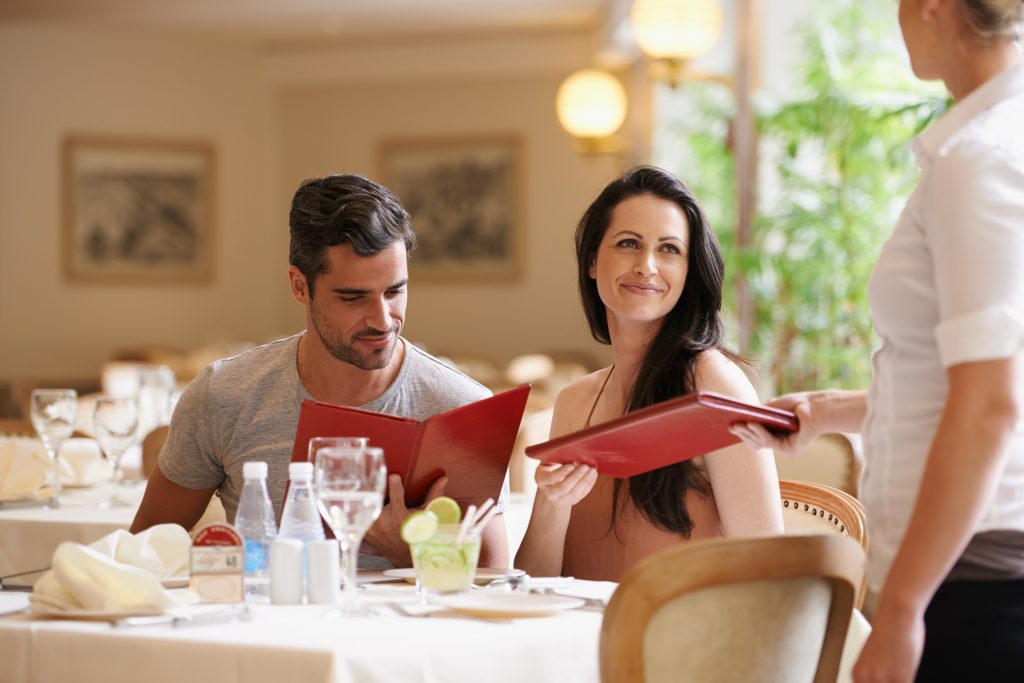
1. Never Seat Yourself Without Acknowledgment
What French diners know:
- Entering a restaurant and choosing your own table is considered presumptuous and disruptive.
- The host or maître d’ carefully balances seating throughout service.
- Table assignments often follow a specific plan for kitchen timing and server sections.
Why it matters: In France, restaurants operate on a carefully orchestrated system. When you bypass this system, you’re essentially disrupting the entire flow of service. The host needs to track which server takes which table and manages the pace of the kitchen.
Do this instead: Always wait at the entrance and make eye contact with staff. A simple “Bonjour” signals you’re ready to be seated. If you have a preference for a particular table, it’s acceptable to politely request it after you’ve been greeted, but understand that not all requests can be accommodated.
2. Never Rush to Order Immediately
What French diners know:
- Attempting to order within minutes of sitting down signals that you’re treating the restaurant like a fast-food establishment.
- Servers will purposely give diners time to settle in before approaching.
- The pace of the meal is meant to be leisurely, with breathing room between decisions.
Why it matters: French dining culture values the entire experience—the ambiance, conversation, and appreciation of each course. Rushing through any part of it contradicts the very reason French cuisine is so celebrated.
Do this instead: Take time to get comfortable, review the menu thoroughly, and perhaps order an apéritif first. Your server will approach when the time is right, usually about 5-10 minutes after you’re seated. This gives you time to transition into “dining mode” rather than rushed “eating mode.”
🗣️ Communication & Interaction
3. Never Demand English Menus or Service
What French diners know:
- While many French restaurants in tourist areas offer English menus, acting entitled to one is considered rude.
- Most servers appreciate when visitors attempt even basic French phrases.
- The expectation to accommodate English speakers varies greatly between Paris and smaller towns.
Why it matters: Language is deeply tied to cultural identity in France. Making an effort to engage with the local language shows respect for the culture you’re visiting. Remember that you’re a guest in their country.
Do this instead: Learn a few key dining phrases before your trip. Start interactions with “Bonjour” and “Parlez-vous anglais?” If they do, they’ll happily switch. If English menus are available, they’ll be offered. Many restaurants now have QR codes that link to multiple language options. When they don’t, use a translation app rather than showing frustration.
4. Never Snap Fingers or Shout “Garçon”
What French diners know:
- Calling servers “garçon” (boy) is outdated and considered disrespectful.
- Physical gestures like snapping fingers or waving arms are seen as treating staff like servants.
- French servers are professionals who monitor tables attentively without hovering.
Why it matters: In France, serving is a respected profession, not just a temporary job. Servers often have years of training and knowledge, particularly in more upscale establishments. Treating them dismissively undermines their professional status.
Do this instead: When you need attention, make eye contact and slightly raise your hand. A discreet “S’il vous plaît” is all that’s needed. If you don’t know your server’s name (which is common), “Monsieur” or “Madame” is the appropriate address. Remember that French servers don’t check on you constantly—this is intentional, not neglectful.
🍷 Ordering & The Meal
5. Never Ask for Heavy Menu Customizations
What French diners know:
- Menus are carefully composed; dishes are meant to be eaten as written.
- Substitutions (especially removing key ingredients) are uncommon.
- Asking to “build your own” dish can confuse the kitchen.
Why it matters: French cuisine values balance and tradition. Changing a dish suggests the chef didn’t get it right the first time.
Do this instead: If you have allergies or dietary restrictions, explain them politely. Minor adjustments may be possible, but trust the menu whenever you can.
6. Never Order Everything at Once
What French diners know:
- Courses follow a natural rhythm: entrée → plat → dessert.
- Ordering dessert before the main course is unusual.
- The kitchen times each course intentionally.
Why it matters: Meals are structured experiences, not efficiency exercises.
Do this instead: Order starters and mains together. Dessert comes later—after a pause, and usually after the table is cleared.
7. Never Expect Free Refills or Iced Everything
What French diners know:
- Drinks are portioned intentionally.
- Ice water is available but not the default.
- Free refills are almost unheard of.
Why it matters: French dining emphasizes moderation and quality over quantity.
Do this instead: Ask politely for “une carafe d’eau” (free tap water). If you want ice, request it—just don’t expect constant refills.
🍰 Payment, Tipping & Time
8. Never Rush the Check
What French diners know:
- The table is yours for the duration of the meal.
- Servers won’t bring the bill unless you ask.
- Lingering after dessert is normal.
Why it matters: Turning tables quickly is not the priority in France.
Do this instead: When you’re ready, ask politely: “L’addition, s’il vous plaît.”
9. Never Over-Tip (or Feel Obligated To)
What French diners know:
- Service is included by law (“service compris”).
- Large tips can feel awkward or unnecessary.
Why it matters: Tipping culture in France is about appreciation, not obligation.
Do this instead: Round up or leave a few euros for excellent service—but only if you want to.
10. Never Forget to Say Bonjour (or Merci)
What French diners know:
- Greetings are non-negotiable.
- Skipping them is considered rude, not shy.
Why it matters: Politeness is the foundation of French social life—especially around food.
Do this instead: Always start with “Bonjour” and end with “Merci, au revoir.” Those two words alone will transform how you’re treated.
✨ Final Thought Dining in France isn’t about rules—it’s about respect, rhythm, and savoring the moment. Follow these unspoken customs, and you won’t just eat well—you’ll dine like a local.
