
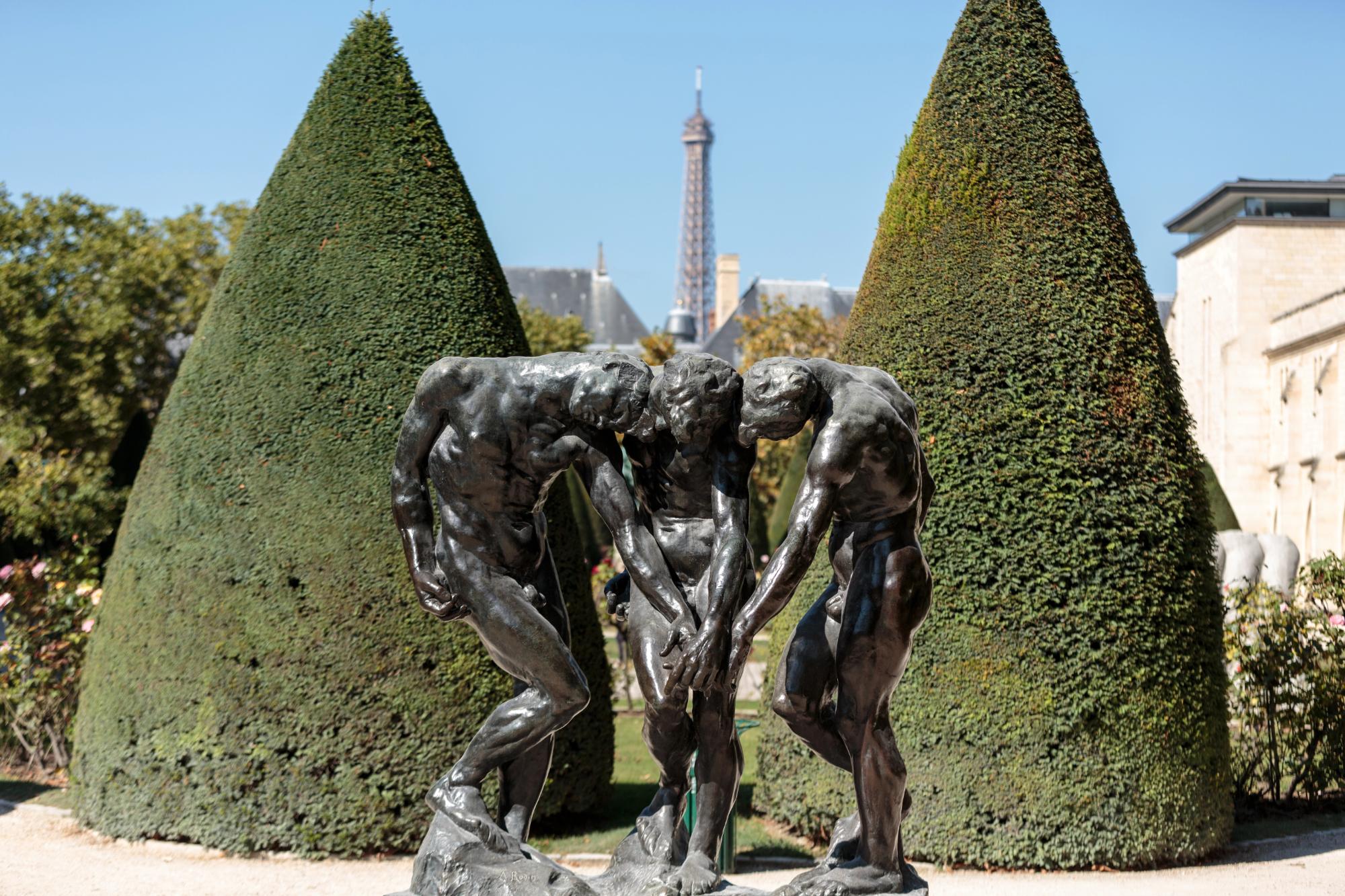
Paris and France are famous for their masterpieces of sculpture—from marble classics to bold contemporary works. But some of the country’s sculptures come with stories that are stranger, darker, or more dramatic than any novel.
These aren’t just art—they’re tales frozen in stone, bronze, and iron. Here are some French sculptures whose backstories will make you look twice.
1. The Dying Gaul — Ancient Rage and Tragedy
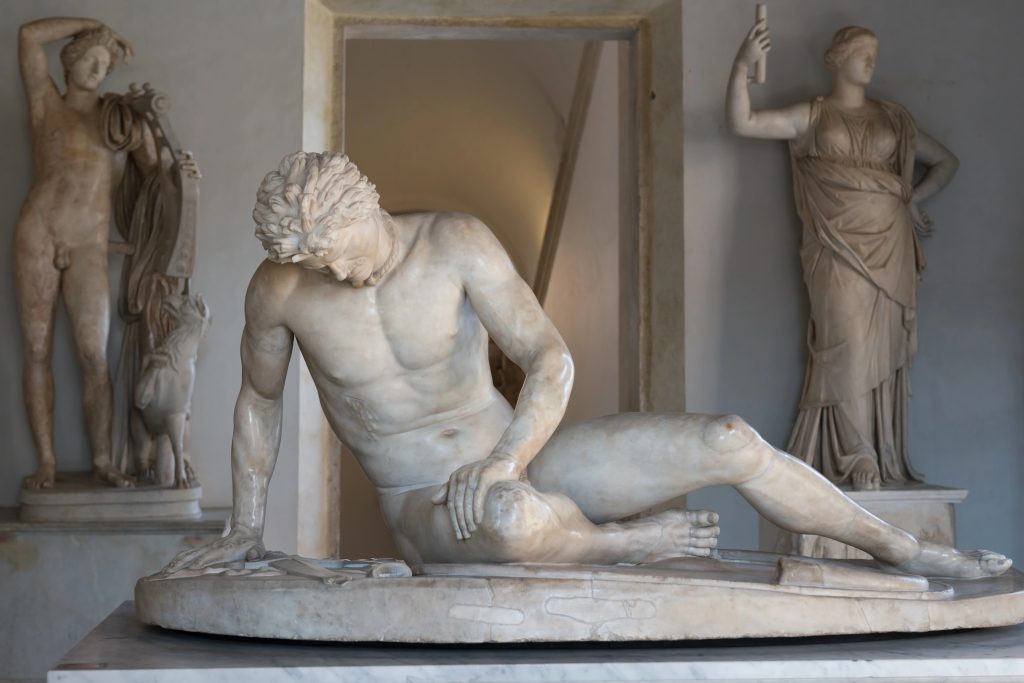
Housed in the Louvre, this Roman-era sculpture isn’t French in origin—but its history in France is fascinating.
- Story: Commissioned to celebrate a Roman victory, it depicts a defeated Gallic warrior in raw, heartbreaking agony.
- Why it’s wilder than fiction: It was unearthed centuries later, studied by revolutionaries and kings alike, and became a symbol of heroism, loss, and the price of war.
Tip: Stand close to appreciate the painstaking realism of his pain and the subtle veins carved into marble.
2. The Bursting Figures of Camille Claudel
Claudel’s sculptures at Musée Rodin reveal intense emotion, obsession, and scandal.
- Story: Many works depict lovers, betrayal, and unrequited passion, reflecting Claudel’s own turbulent life with Auguste Rodin.
- Why it’s wilder than fiction: Her story—artistic genius, love affair, family betrayal, and tragic isolation—matches the drama of her sculptures.
Tip: Look at “The Waltz” and notice the movement and raw sensuality—it mirrors Claudel’s real-life heartbreak.
3. The Winged Victory of Samothrace in France’s Louvre
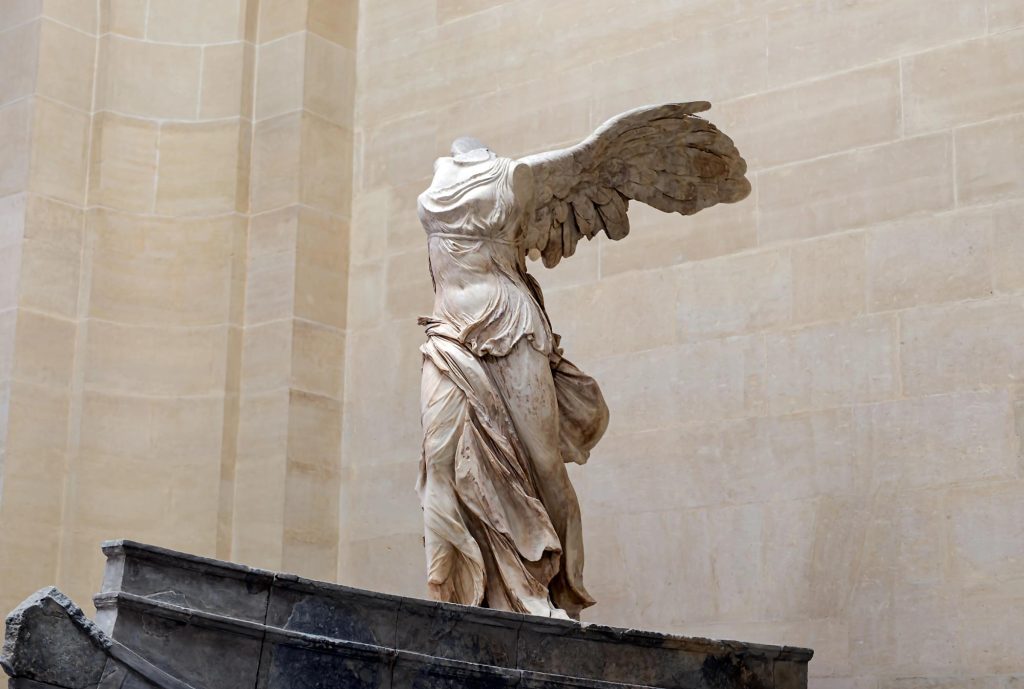
- Story: This Greek masterpiece tells the tale of Nike, the goddess of victory, her wings spread triumphantly.
- Why it’s wilder than fiction: Transported to France from the island of Samothrace in 1863, it survived decades of war, political turmoil, and even the Louvre’s own renovations—yet it continues to awe millions.
Tip: Photograph from the staircase below for the full dramatic effect.
4. Gargoyles of Notre-Dame — Guardians With Attitude
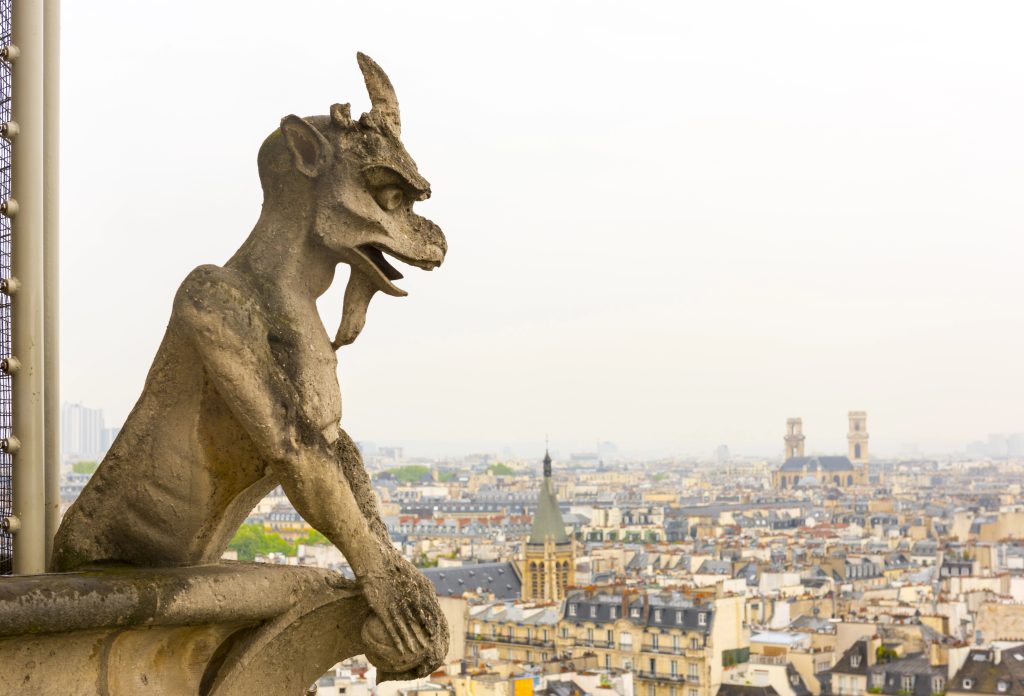
The cathedral’s famous stone guardians aren’t just decoration—they have stories.
- Story: Some were added after the French Revolution to replace damaged originals, with grotesque features that lampooned political figures of the era.
- Why it’s wilder than fiction: Legends say these gargoyles “come alive” in the minds of locals at night, guarding the cathedral against spirits.
Tip: Look up from the square; the shadows at dusk make them even more haunting.
5. Aristide Maillol’s Human Forms — Drama in Bronze
Maillol’s smooth, sensual sculptures often hide tumultuous inspiration.
- Story: Many were commissioned by wealthy patrons whose real-life dramas—love, scandal, and political intrigue—are subtly encoded in the poses and expressions.
- Why it’s wilder than fiction: The tension between serenity and inner drama is palpable, revealing secrets in posture, gaze, and gesture.
Tip: Compare the sculptures in Musée d’Orsay’s garden versus the interior—they tell slightly different emotional stories.
✨ Insider Tips for Experiencing Sculpture in France
- Read the plaque stories carefully—sometimes the real-life drama is even juicier than it seems.
- Look at the details: Veins, folds of clothing, and facial expressions often reveal hidden narratives.
- Visit both museums and public spaces: Paris and southern France hide incredible sculptures in parks, squares, and gardens.
❤️ Why French Sculptures Are More Than Stone and Bronze
From heart-wrenching tragedies to scandalous personal stories, French sculptures are time capsules of emotion, history, and drama. Next time you visit a museum or stroll past a public statue, remember: every curve, shadow, and expression has a story—and some are wilder than fiction.
