
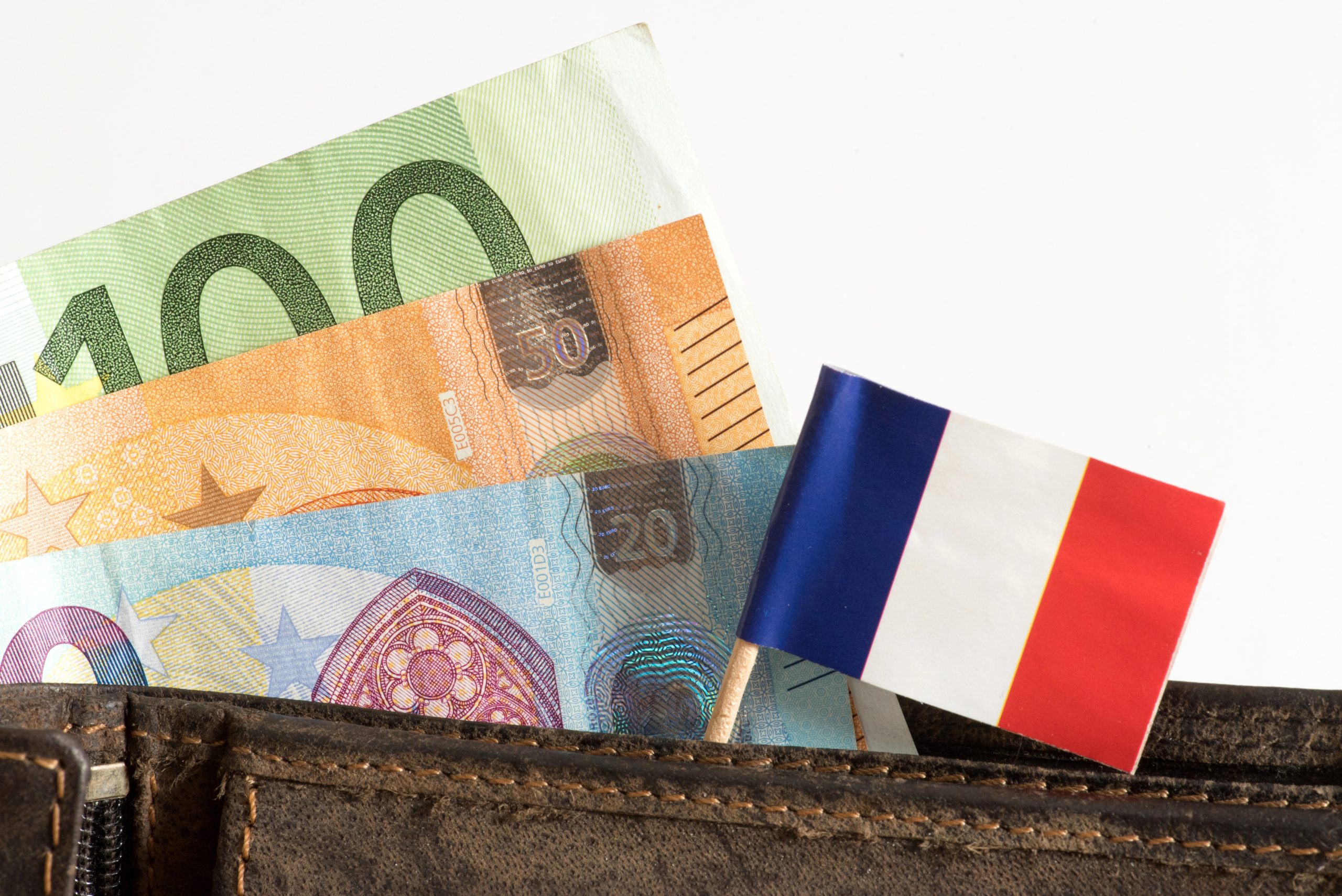
France has a reputation for being expensive — and sure, it can be. But locals know something most tourists don’t: this country rewards the curious, the unhurried, and the slightly resourceful with some of the best experiences in Europe, often for next to nothing. You don’t need a fat wallet to eat well, sleep well, and fall completely in love with France. You just need to know where to look.
Whether you’re planning a week in Paris or a slow road trip through the countryside, these are the tips that actually make a difference.
🧳 Perfect for: Solo travelers, couples on a shoestring, digital nomads, first-timers, and anyone who refuses to believe that “budget travel” means bad travel.
🛏️ Sleep Smart: Where to Stay Without Overpaying
Hostels Are Better Than You Think
France has a thriving hostel scene, especially in Paris, Lyon, Nice, and Marseille. A dorm bed typically runs €25–40 per night — and the social atmosphere is half the experience. Look for hostels near train stations or in lively neighborhoods like Oberkampf (Paris) or the Vieux-Port (Marseille).
💡 Locals’ tip: Avoid hostels right next to major tourist landmarks. They charge more and deliver less. A 10-minute metro ride away is almost always cheaper and quieter.
Chambres d’Hôtes Over Hotels
For countryside travel, skip the chain hotels entirely. A chambre d’hôtes (French B&B) often costs the same as a mid-range hotel but comes with a homemade breakfast, a host who actually knows the region, and a room that feels like it belongs in a film. Platforms like Gîtes de France list certified, quality-controlled options across the whole country.
Book Early — Seriously
Train tickets and hotels in France follow the same rule: the earlier you book, the cheaper it gets. A Paris hotel room that costs €80 in January can easily hit €200 by the time summer rolls around. The same goes for TGV trains — Prem’s fares can be as low as €10 if you grab them weeks in advance.
Where to stay:
- Paris for a city base (look for the 10th, 11th, or 18th arrondissements for value)
- Countryside gîtes for slow travel and authentic charm
- Hostels in Nice or Lyon for the best budget-to-experience ratio
🥐 Eat Like a Local: The Real Food Secrets
The Lunch Trick That Locals Swear By
This is the single most powerful budget tip in France: eat your big meal at lunch, not dinner.
Almost every restaurant — including Michelin-starred ones — offers a formule or menu du jour at lunchtime. For €12–18, you’ll typically get a starter, main, and dessert. The same meal at dinner? Easily €35–50. Same kitchen, same chef, fraction of the price.
🍽️ Must-try move: Book a lunch table at a restaurant you’d never afford for dinner. It’s one of the great French travel hacks.
Boulangeries Are Your Best Friend
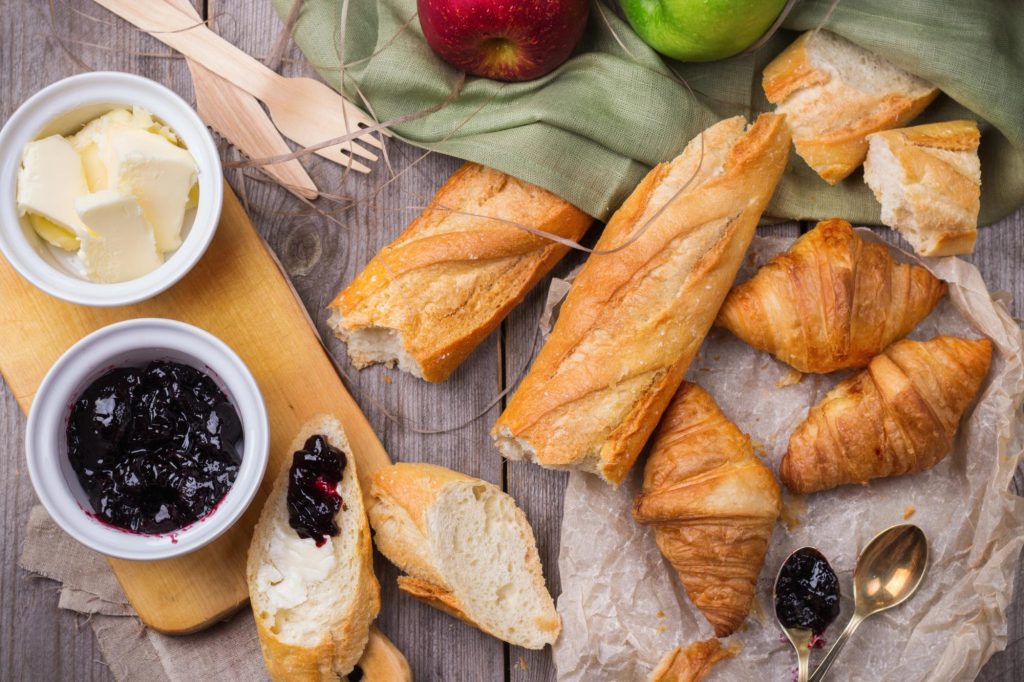
A fresh baguette costs around €1.20. A pain au chocolat, about €1.30. A slice of quiche lorraine from the counter? Under €3. The French boulangerie is not just a bakery — it’s a budget traveler’s lifeline. Grab breakfast and a light lunch here and save your euros for one proper sit-down meal a day.
Markets Over Supermarkets
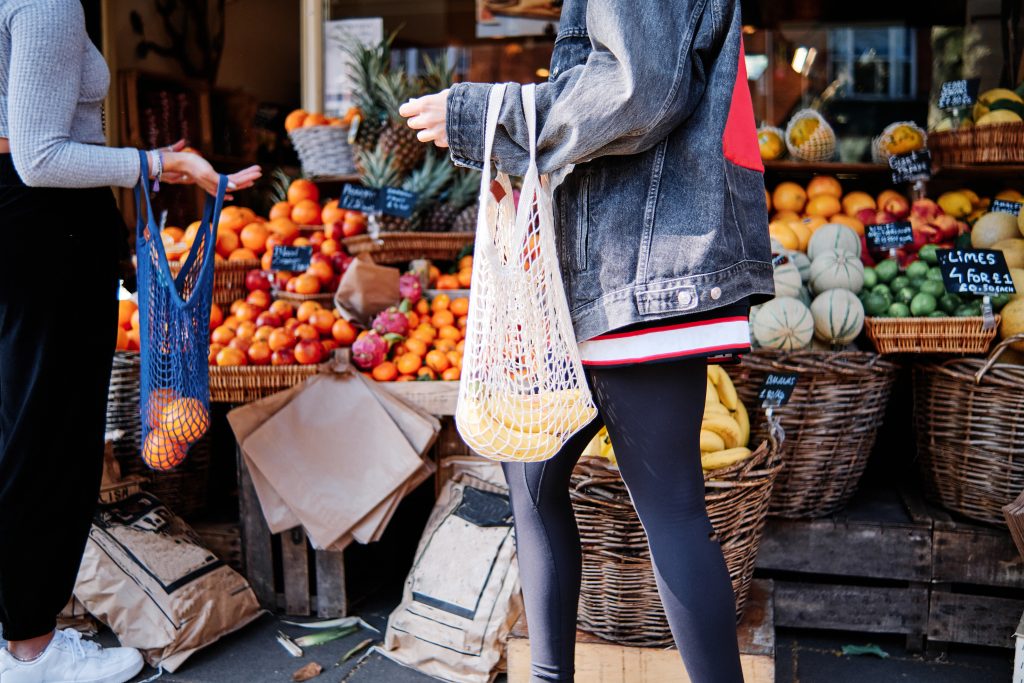
Every French town has a weekly outdoor market (marché). This is where locals actually shop — and where you’ll find the best cheese, charcuterie, olives, and seasonal fruit at prices that make supermarkets look overpriced. A picnic assembled from a market is not a compromise. It is, genuinely, one of the best meals you’ll have in France.
Best for: Slow mornings, spontaneous lunches, and discovering regional specialties you won’t find on any restaurant menu
Too Good To Go — The App Locals Use
Download Too Good To Go before you arrive. Bakeries, restaurants, and cafés sell their end-of-day surplus for €3–5 a bag. In Paris alone, hundreds of spots participate. It’s not leftovers — it’s often a full bag of pastries or a complete meal at a steep discount.
🚆 Get Around for Less: Trains, Buses & Bikes
SNCF Prem’s Fares
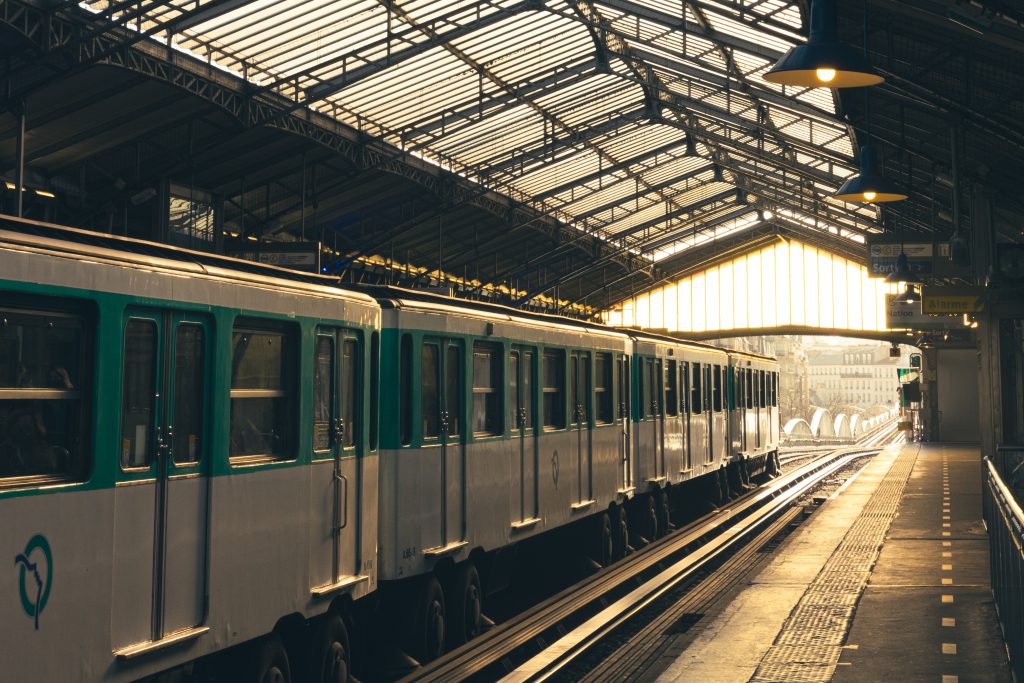
France’s national rail network is excellent — fast, comfortable, and surprisingly affordable if you book ahead. Prem’s fares on TGV routes (Paris–Lyon, Paris–Bordeaux, Paris–Marseille) can be as low as €10–20 one way. The catch: they’re non-refundable and sell out fast. Set a reminder and book the moment your dates are confirmed.
Flixbus for Longer Distances
For routes where the train is expensive or inconvenient, Flixbus covers most of France at very low prices. It’s slower, but for a €5–15 ticket between cities, it’s hard to argue with.
Vélib’ and City Bikes
Paris’s Vélib’ bike-share system is one of the best in Europe. A day pass costs around €5 and gives you unlimited 30-minute rides across the city. For most tourist routes — the Seine, Montmartre, the Marais — it’s faster than the metro and infinitely more enjoyable.
🚲 Local tip: The first 30 minutes of each ride are included in the pass. Dock and re-dock at stations to reset the clock and avoid overage fees.
Walk More Than You Think You Should
French cities are built for walking. In Paris, the distance from Notre-Dame to the Eiffel Tower is about 4km — a 50-minute stroll along the Seine that costs nothing and beats any bus route for scenery. In Lyon, Nice, and Bordeaux, the same logic applies. Save the metro for when you’re tired or it’s raining.
🎟️ See Everything: Free & Cheap Culture
Free Museums — More Than You’d Expect
France is remarkably generous with its cultural institutions. Here’s what’s free:
- All 14 Paris municipal museums are permanently free (Musée Carnavalet, Petit Palais, Maison de Victor Hugo, and more)
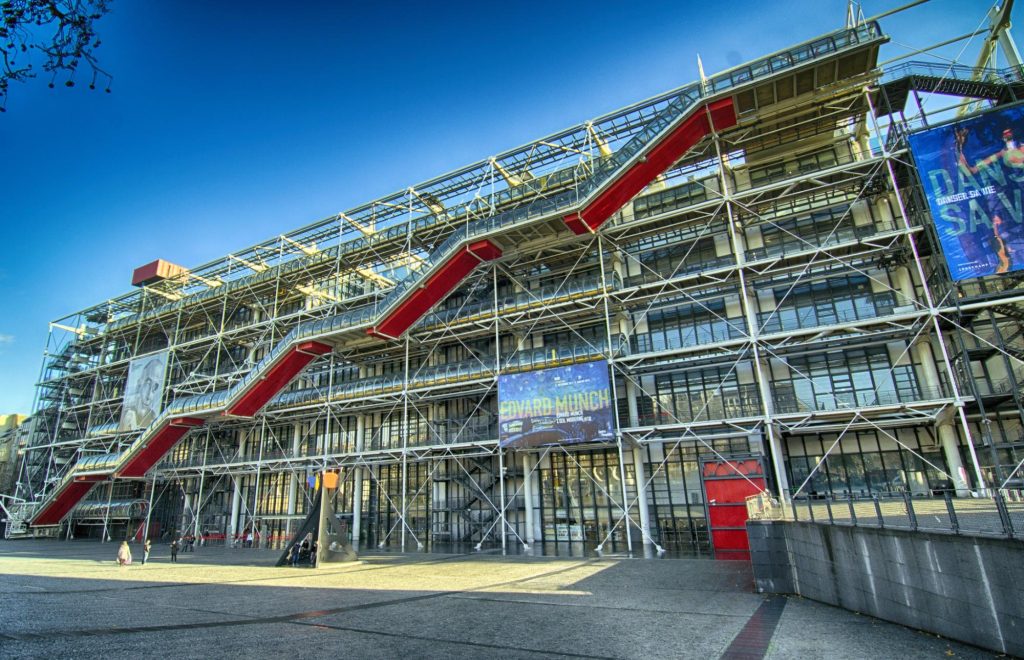
- The permanent collections of the Centre Pompidou are free on the first Sunday of each month
- Most regional museums outside Paris charge €5–8 at most — and many are free on the first Sunday of the month
- Versailles gardens (without the château) are free to enter
🎨 Insider move: The Petit Palais in Paris is one of the most beautiful museums in the country — stunning Belle Époque architecture, world-class art, and completely free, every day.
Churches Are Free Cathedrals of Art
Notre-Dame (now reopened after its 2024 restoration), Sacré-Cœur, Sainte-Chapelle’s exterior, and hundreds of Romanesque and Gothic churches across France are free to enter. The stained glass alone in some of these buildings is worth a trip.
Free Walking Tours
Most major French cities have free walking tours run by local guides who work for tips. They’re genuinely excellent — knowledgeable, opinionated, and far more interesting than an audio guide. Search for “free walking tour + [city name]” and book ahead online.
🛒 Shop Smart: Markets, Tabacs & Supermarkets
The Tabac Is Your Neighborhood Hub
The French tabac (tobacconist) sells far more than cigarettes: metro tickets, phone top-ups, stamps, newspapers, and often a decent espresso at the counter for €1.20–1.50 — the cheapest coffee you’ll find in any city. Standing at the bar to drink it, as locals do, is both cheaper and more authentic than sitting at a café terrace.
Lidl and Intermarché for Picnic Supplies
French supermarkets stock excellent local products at very reasonable prices. A wedge of Comté, a baguette, a bottle of Côtes du Rhône, and some charcuterie from Lidl or Intermarché will cost you €8–12 and feed two people beautifully. This is not roughing it. This is eating the way French people actually eat on a Tuesday.
Avoid Tourist Traps Near Landmarks
The café directly facing the Eiffel Tower charges €6 for an espresso. Walk two streets back and it’s €1.80. The same rule applies everywhere: the closer you are to a major landmark, the more you’re paying for the view, not the product.
🍷 Drink Well on a Budget
House Wine Is Genuinely Good
France is one of the few countries where ordering the pichet de vin (house carafe) is not a gamble — it’s often a perfectly decent regional wine at €4–7 for a quarter-litre. Locals do it constantly. Don’t feel embarrassed to ask for the vin de la maison.
Supermarket Wine Is Exceptional Value
A bottle of drinkable French wine from a supermarket starts at around €3–5. A genuinely good bottle — something you’d be proud to bring to a dinner party — is €8–12. The wine-to-price ratio in France is one of the best in the world, and you don’t need a restaurant to enjoy it.
🍷 Local tip: In wine regions like Bordeaux, Burgundy, or the Loire Valley, look for signs reading “Vente Directe” at vineyards. Many offer free or very cheap tastings directly at the cellar door.
📅 Timing Is Everything: When to Go
Shoulder Season Is the Sweet Spot
May, June, and September are the magic months. The weather is excellent, the crowds are manageable, and prices for accommodation and transport are noticeably lower than July and August. Paris in September, in particular, is one of the great travel experiences in Europe — warm, golden, and full of Parisians who’ve just returned from their own holidays.
Avoid August in Cities
August is when French people leave the cities for the coast and countryside. Many local restaurants, bakeries, and shops close for the entire month. Paris in August can feel oddly empty and tourist-heavy at the same time — not the authentic experience most people are after.
Weekday Travel Saves Real Money
Train tickets, hotel rooms, and even museum entry are cheaper mid-week. If your schedule allows, traveling Tuesday to Thursday consistently delivers lower prices than Friday to Sunday.
💡 The Mindset Shift That Changes Everything
Here’s what locals understand that most tourists don’t: France rewards slowness.
The traveler rushing between Paris, Nice, and Bordeaux in five days will spend a fortune on transport and barely scratch the surface of any of them. The traveler who picks one region, rents a bike, eats at the market, and lingers over a two-hour lunch will spend less money and have a richer experience.
Budget travel in France isn’t about cutting corners. It’s about choosing depth over breadth, local over tourist, and un café au comptoir over a terrace with a view of the Eiffel Tower.
Do that, and France will give you more than you paid for — every single time.
📊 Average daily costs for reference: Budget traveler: ~€92/day · Mid-range: ~€262/day · Luxury: ~€828/day A one-week trip for one person averages around €1,834 — but with the tips above, you can do it for significantly less.
