
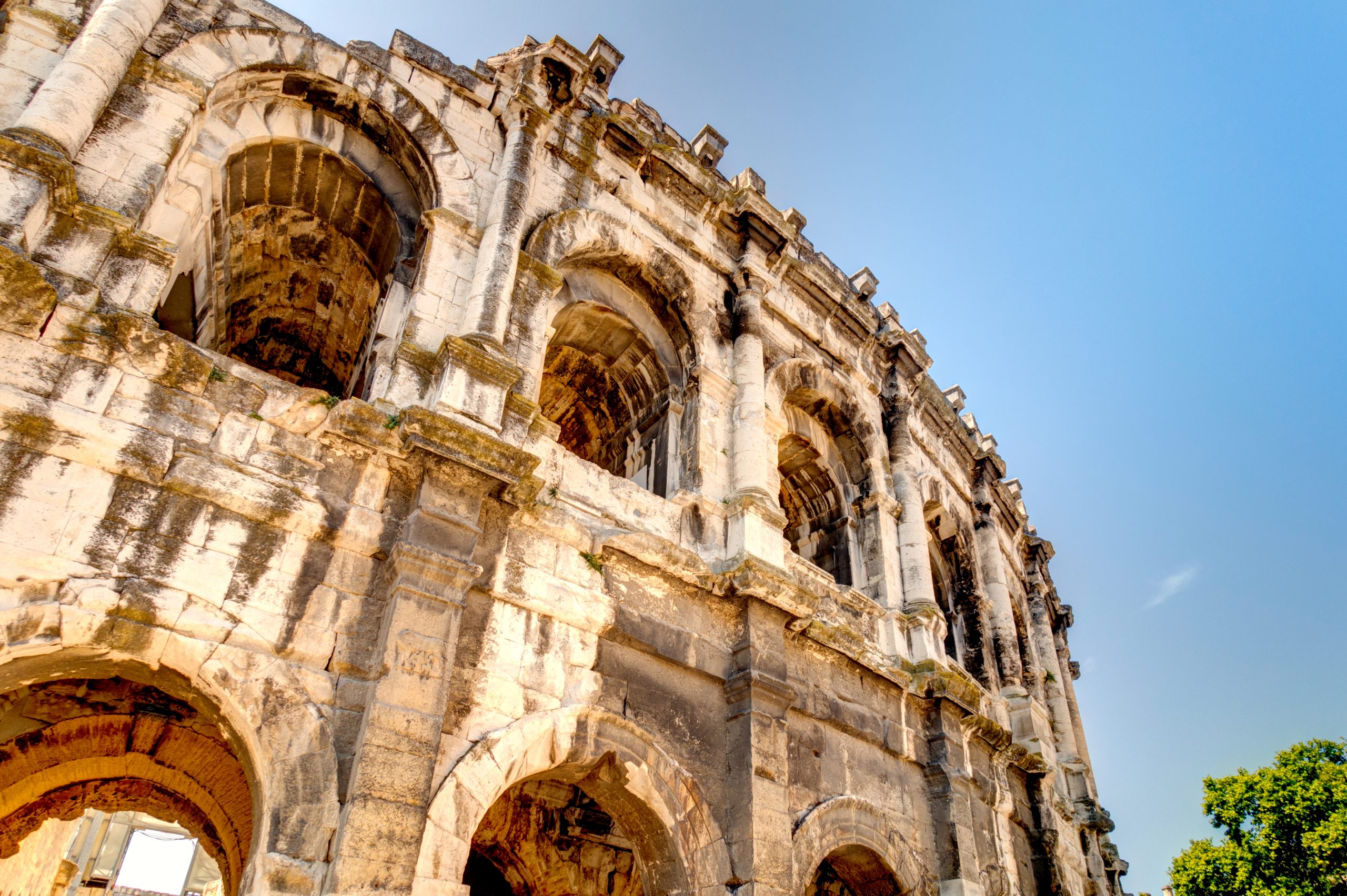
Paris is known for its grand boulevards, historic cafés, and glittering Haussmann facades—but what most travelers never realize is that the city is built on top of an ancient Roman town. And one remarkable piece of that world is still standing today… hidden in plain sight.
Welcome to the Arènes de Lutèce—the forgotten Roman amphitheater sitting quietly in the middle of Paris.
Where Ancient Rome Meets Modern Paris
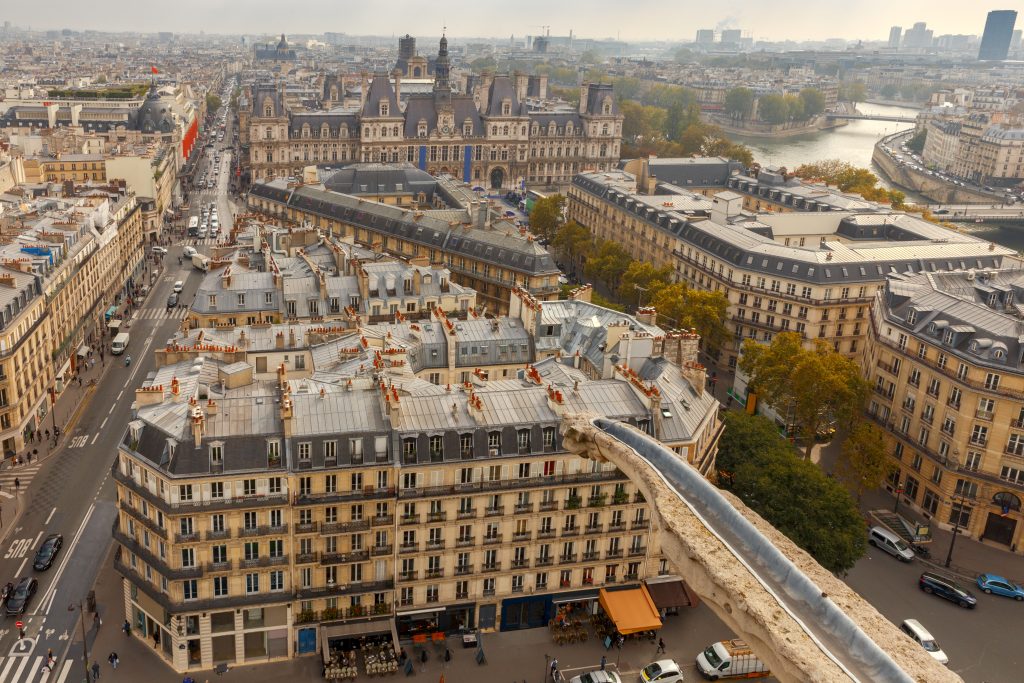
Tucked inside the Latin Quarter, surrounded by apartment buildings, schoolyards, and quiet streets, the Arènes de Lutèce looks like it shouldn’t exist. A sunken oval. Stone terraces. Whispers of a stage where gladiators once fought and crowds once roared.
Most visitors walk right past the entrance without noticing it.
But step inside, and suddenly Paris disappears. You’re in Lutetia, the Roman city that stood here nearly 2,000 years ago.
What Makes These Ruins So Surprising
Unlike the well-known ruins of Rome or Provence, these remain uncrowded, uncommercialized, and incredibly peaceful.
Here’s what you’ll find:
- Original Roman stone seating still carved into the oval
- The central arena where spectacles and games were held
- Gated archways once used by performers—and possibly wild animals
- A modern neighborhood wrapped around the ruins, creating the most surreal contrast
It’s one of the few places in Paris where you can sit on the stones of antiquity… for free.
How Paris Lost—and Then Rediscovered—Its Amphitheater
After the fall of the Roman Empire, the amphitheater slowly vanished under rubble and new construction. By the 1800s, it was so lost that even Parisians forgot it had ever existed.
Then, during the construction of Rue Monge in 1869, workers uncovered… a curved wall. Then more. Suddenly, the arena of ancient Lutetia reappeared.
Victor Hugo himself campaigned to save it, writing fiery letters until the city agreed to preserve the site.
Thanks to him, you can walk through it today.
The Best Time to Visit
The Arènes de Lutèce is rarely busy, but locals know the most magical moments:
- Early morning: soft light and empty seats
- Golden hour: shadows stretch across the arena
- Weekdays: schoolkids play soccer in the center—you get a living example of ancient meets modern
It’s both a ruin and a neighborhood park, which gives it a wonderfully authentic vibe.
Why Travelers Love This Hidden Gem
It’s quiet. It’s atmospheric. It’s a rare place where history isn’t behind glass—it’s right under your feet.
Visiting the Arènes feels like discovering a secret chapter of Paris that somehow survived, forgotten and untouched, while the city grew around it.
