
Planning your dream trip to France? Ooh là là! ✨
Before you hop on that flight, let’s make sure you skip the slip-ups that scream “tourist.”
Whether you’re strolling through Paris or sipping wine in Provence, these common mistakes can lead to awkward moments—or missed experiences.
Here’s what not to do in France (and what to do instead):
1. 📢 Being Too Loud in Public Spaces
In the U.S., animated conversations and laughter in public are perfectly normal—even expected. But in France, especially in places like restaurants, cafés, museums, and public transport, there’s an unspoken rule: keep your voice down.
🇫🇷 Why? The French value discretion and calm in shared spaces. A loud voice is often seen as intrusive or inconsiderate, even if the conversation is friendly. It’s not personal—it’s cultural.
✅ What to do instead: Match the local tone. Lower your volume, lean in closer, and aim for a more relaxed, intimate vibe. It not only shows respect—it also helps you blend in and soak up the atmosphere.
💡 Bonus tip: Whispering sweet nothings over a glass of wine at a Paris café? Très chic.
2. 🙈 Forgetting to Say “Bonjour”
In France, greetings aren’t optional—they’re essential. Walking into a bakery, boutique, or even asking someone for directions without saying “Bonjour” (hello) first? That’s a fast track to getting cold vibes or being ignored.
🇫🇷 Why? Politeness and formality are a big part of daily life. Saying “Bonjour” (before 6 p.m.) or “Bonsoir” (after 6 p.m.) is a simple but meaningful way to show respect and acknowledge the other person’s presence.
✅ What to do: Make it your automatic first word anytime you enter a shop, speak to a staff member, or approach someone for help. A smile helps, too.
💡 Bonus: Add a polite “Madame” or “Monsieur” for extra charm—shopkeepers appreciate it!
3. Expecting Ice in Your Drink
If you’re used to giant American fountain sodas filled to the brim with ice, France will surprise you. Here, cold drinks aren’t always ice-cold—especially in cafés and restaurants.
🇫🇷 Why? The French don’t love overly chilled beverages and often believe super-cold drinks aren’t great for digestion. So your soda, juice, or even water might arrive cool-ish at best, and rarely with ice.
✅ What to say: If you really want it cold, ask “avec des glaçons, s’il vous plaît” (with ice, please). Just be prepared—it might come with one or two polite cubes, not a full glass.
💡 Pro tip: Grab a chilled drink from a supermarket fridge if you need serious refreshment—cheaper, colder, and quicker!
4. 💰 Over-Tipping Like You’re Still in the U.S.
In France, service is always included in the bill—yep, even if it’s not obvious. That means servers are paid a full wage, and tipping isn’t required like it is in the U.S.
🇫🇷 But here’s the nuance: While no one expects a 20% tip, leaving absolutely nothing can feel a little froide (cold). It’s more about appreciation than obligation.
✅ What to do instead: • Round up the bill (e.g. leave €25 for a €23 meal) • Or leave a few coins or 5–10% if the service was genuinely kind or attentive
💡 Especially in small cafés or family-run places, even a tiny gesture goes a long way—and gets you a warmer “merci.”
5. 🍎 Treating the Market Like a Supermarket
At your local Whole Foods, you might squeeze avocados or dig through apples without a second thought. In France? C’est un faux pas.
👩🌾 Why it matters: Open-air markets are often run by small producers who take pride in their goods. Grabbing produce without asking is seen as disrespectful—and unhygienic.
✅ What to do instead: • Let the vendor choose for you (they know what’s ripe!) • Or simply ask: “Je peux?” (Can I?) with a friendly smile
🍓 Bonus: Some vendors may let you sample a cherry or offer cooking tips if you show a little curiosity and politeness.
6. Wearing Flip-Flops Everywhere
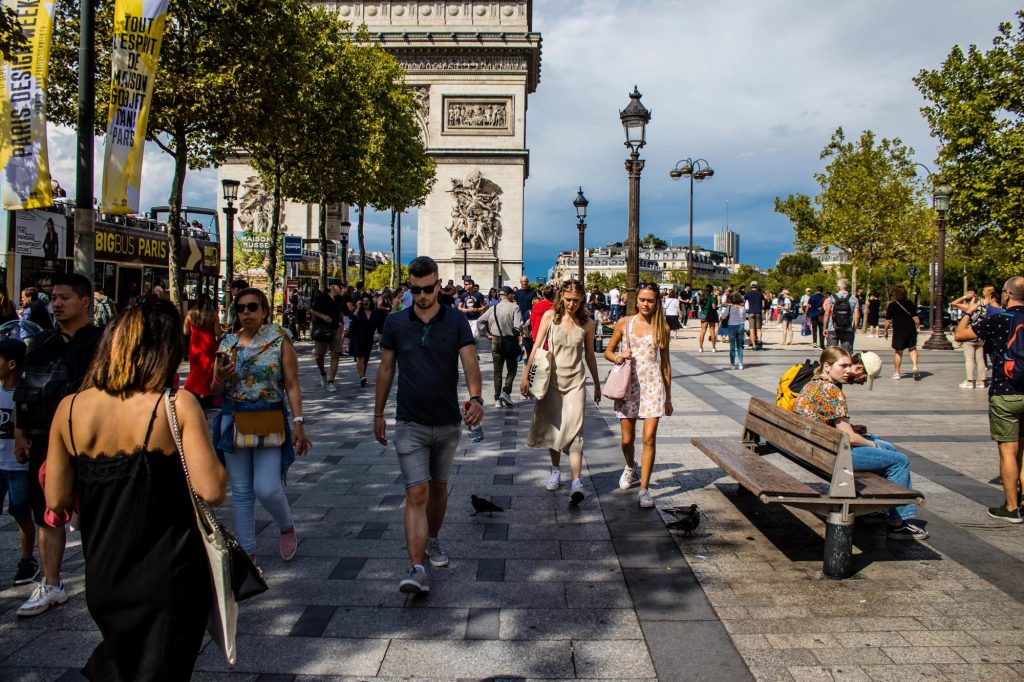
In the U.S., flip-flops scream “casual and comfy.” In France? They mostly scream “tourist.”
👀 Why it matters: French style leans effortlessly chic, even when casual. Flip-flops (except at the beach or pool) are often seen as sloppy or out of place in cities and restaurants.
✅ What to wear instead: • Stylish sneakers (like white leather ones) • Strappy sandals • Loafers or ballet flats
💡 Think comfort—but elevated. Your feet (and your photos) will thank you.
7. Assuming Everyone Speaks English
Yes, many French people do speak English—especially in major cities. But starting a conversation in English without trying French first? That can come off as rude.
🎯 Cultural cue: Language is a big deal in France. Making even a tiny effort in French shows respect.
✅ What to say instead: “Excusez-moi, parlez-vous anglais ?” (Excuse me, do you speak English?) Even better? Add a “Bonjour” first!
💡 A little effort earns big kindness—and better service.
8. Eating on the Go
In the U.S., walking with a coffee or sandwich is second nature. But in France? Munching while strolling is seen as a bit… sloppy.
☕ The French way: Sit down—even if it’s just for a quick espresso or pastry. Meals (and snacks!) are meant to be savored, not rushed.
✅ Café culture tip: A 10-minute break at a sidewalk table is more than a pause—it’s a ritual.
9. Trying to See “All of France” in One Trip
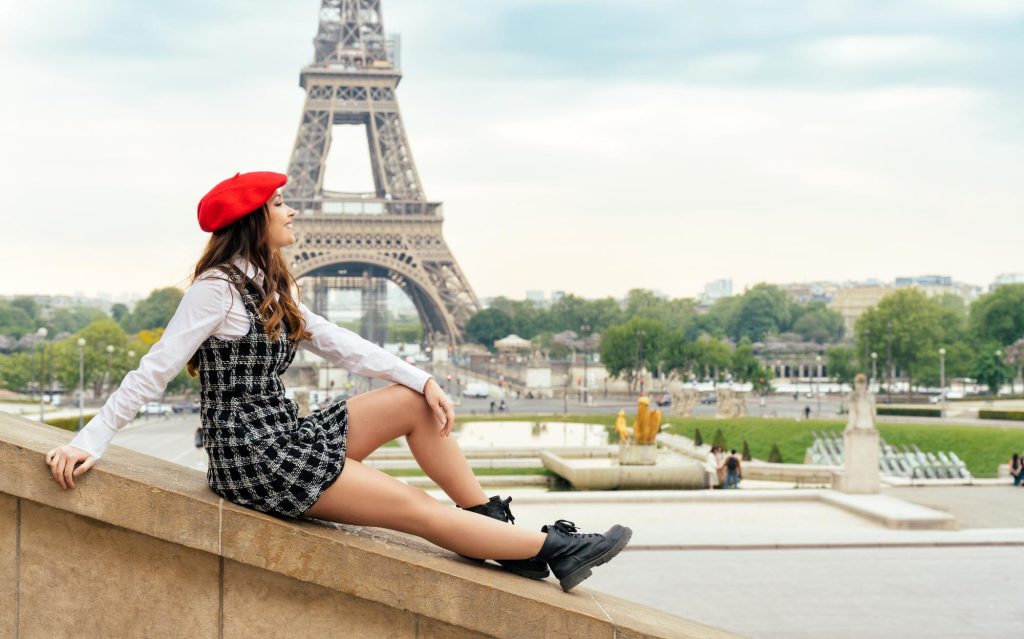
From Parisian cafés to Provençal lavender fields to snowy Alpine villages… it’s all tempting. But trying to squeeze it all in? That’s the fastest way to burn out.
⏳ The French travel secret: Less is more. Pick 1–2 regions and explore them deeply—wander the markets, linger over long lunches, and take the scenic route.
✅ Mindset shift: France isn’t for checklisting. It’s for savoring.
