
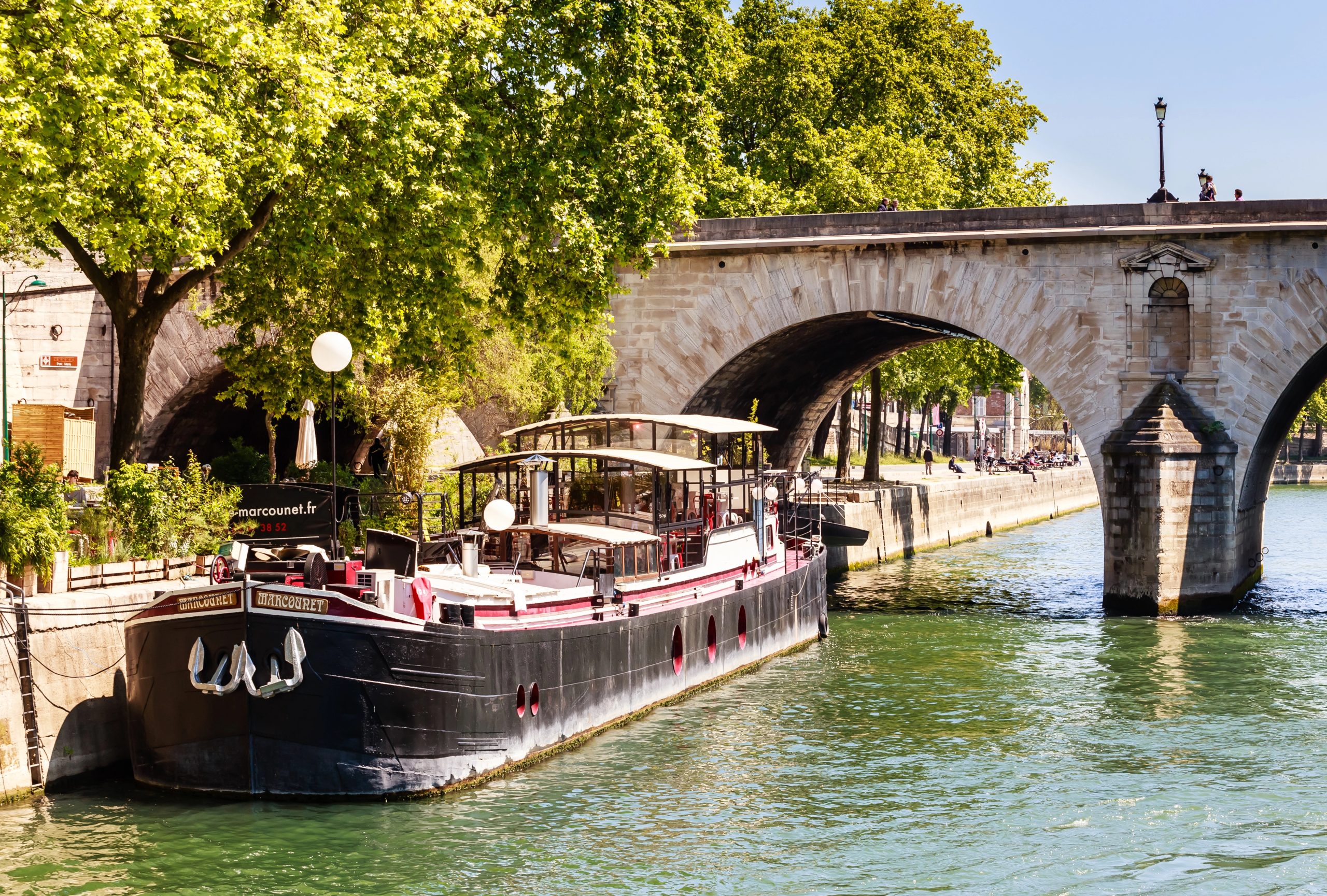
Forget the highways. The best way to see France is at 4 miles per hour on the water.
Imagine gliding through the French countryside at walking pace. No traffic. No schedules. Just you, a boat, and 5,000 miles of canals weaving through vineyards, medieval villages, and landscapes unchanged for centuries.
France’s canal system is one of Europe’s best-kept secrets — 17th and 18th-century waterways originally built for commerce, now perfect for the slowest, most magical vacation you’ll ever take.
No boating license needed. No experience required. Just the ability to relax and let France unfold at its own pace.
🚤 Why Canal Boating?
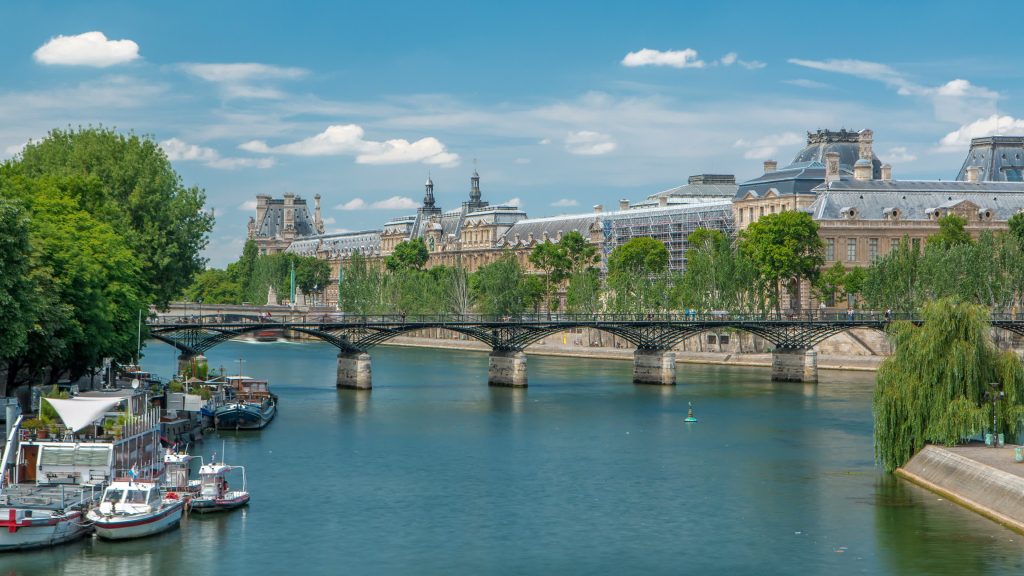
It’s ridiculously easy — 30 minutes of instruction and you’re off. Boats are slow, stable, nearly impossible to damage.
You see hidden France — tiny villages, working farms, châteaux, and countryside tourists never reach.
It’s genuinely relaxing — move at 4–6 mph, moor wherever you want, spend days watching France drift by.
You’re self-sufficient — your boat is hotel, kitchen, and transport. Wake up in different villages, cook with market-fresh ingredients, fall asleep to silence.
It’s affordable — split between friends or family, canal boats cost less than hotels.
🗺️ The Dreamiest Routes
1. Canal du Midi (Toulouse to Sète)
The Classic
Length: 240 km | Time: 1–2 weeks | Locks: 63
France’s most famous UNESCO waterway winds through sunflower fields, vineyards, and plane tree tunnels creating natural cathedral ceilings.
Highlights:
- Carcassonne — medieval walled city, moor below the ramparts
- Béziers — dramatic 9-lock staircase
- Castelnaudary — cassoulet capital
- Homps — wine caves
- Sète — Mediterranean fishing port
Best for: First-timers, history lovers, wine enthusiasts
When: May–June or September (avoid summer crowds)
2. Canal de Bourgogne
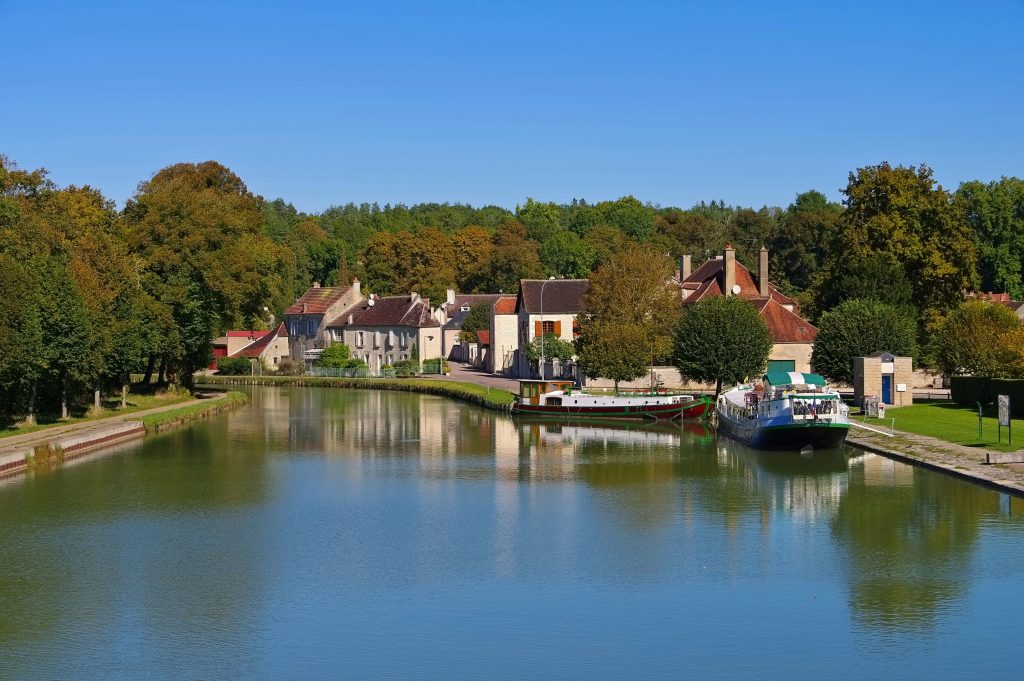
The Wine Lover’s Dream
Length: 242 km | Time: 1–2 weeks | Locks: 189
Cuts through Burgundy wine country, passing vineyards producing world-class wines.
Highlights:
- Dijon — mustard capital
- Châteauneuf-en-Auxois — hilltop medieval village
- Beaune — wine capital (short trip from canal)
- Countless wine estates offering tastings
Best for: Wine lovers, foodies, experienced boaters
When: September–October (harvest season)
3. Canal du Nivernais
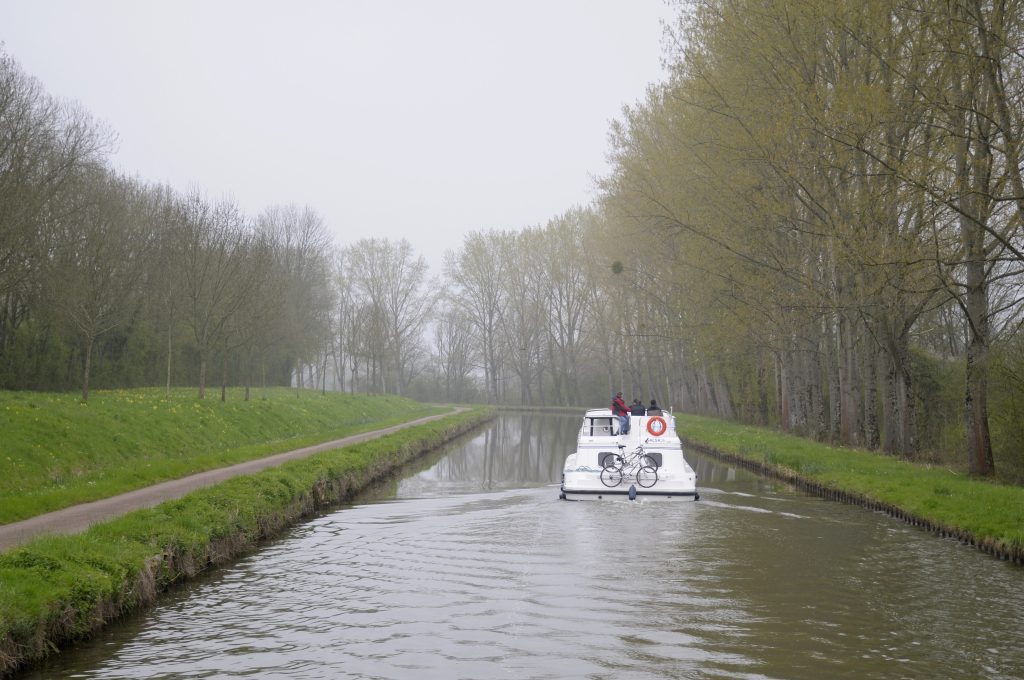
The Most Scenic
Length: 174 km | Time: 1 week | Locks: 110
France’s most beautiful canal winds through wild, forested Burgundy landscapes with almost no development.
Highlights:
- Clamecy — medieval timber town
- Mailly-le-Château — dramatic cliff setting
- Auxerre — Gothic cathedral
- Wildlife — herons, kingfishers, deer
Best for: Nature lovers, photographers, solitude seekers
When: May–June or September
4. Brittany Canals (Nantes to Brest)
The Atlantic Adventure
Length: 364 km | Time: 2–3 weeks | Locks: 238
Connects Atlantic coast through Brittany’s rugged interior — forests, moors, Celtic culture.
Highlights:
- Nantes — mechanical elephant installation
- Josselin — stunning château
- Celtic heartland and culture
- Best seafood in France
Best for: Long trips, Celtic culture fans
When: June–September
5. Alsace Canals
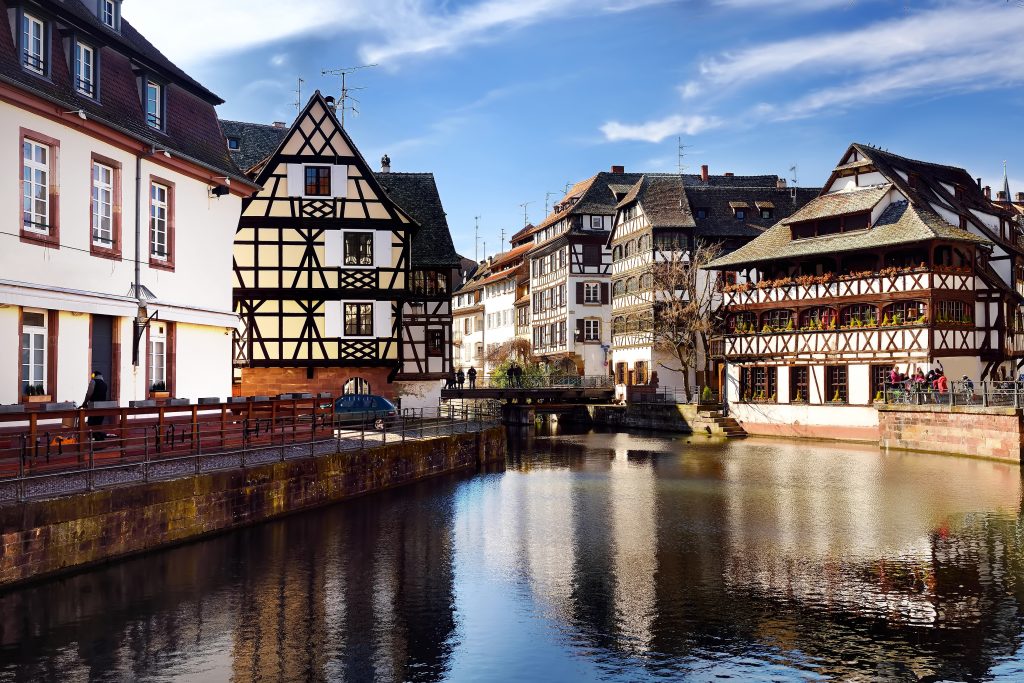
The German-French Fusion
Length: 100–200 km | Time: 1 week | Locks: Few
Cruise through Alsace wine country with half-timbered villages and French-German culture.
Highlights:
- Strasbourg — European capital
- Colmar — fairytale town nearby
- Wine Route villages — Riquewihr, Eguisheim
- Riesling and Gewürztraminer vineyards
Best for: Wine lovers, shorter trips
When: September–October
🛥️ What to Expect
The Boats
Penichettes — flat-bottomed barges with 2–6 berths, full kitchen, bathroom, dining area, outdoor deck.
Speed: 4–6 mph maximum Fuel: Diesel, very economical
The Locks
Locks raise/lower boats between water levels. Takes 10–20 minutes each.
How it works: Pull up → operate lock → enter chamber → water fills/drains → exit
Difficulty: Easy after a few tries. Kids love helping.
Daily Routine
Morning: Coffee, cruise 2–3 hours Midday: Moor in village, explore, shop at markets Afternoon: Cruise or relax Evening: Cook on board, wine on deck, sunset Night: Sleep in complete silence
Distance: 15–30 km per day Locks: 5–15 per day
Mooring
Moor almost anywhere — free and unrestricted.
Best spots: Village quays, countryside banks, lock-keeper cottages
💰 Costs & Practicalities
Rental Prices (per week)
Low season: €800–1,200 Mid season: €1,200–1,800 High season: €1,800–2,800
Included: Boat, fuel, equipment, insurance, instruction Extra: Food, bike rental
Rental Companies
- Le Boat — largest, best for beginners
- Locaboat — French, good value
- Nicols — family-owned
- Crown Blue Line — premium
Book: 6–12 months ahead for summer
What to Pack
✔️ Layers and rain jacket ✔️ Non-slip shoes ✔️ Sunscreen, hat, insect repellent ✔️ Binoculars ✔️ Books, games ✔️ Corkscrew (essential)
Food Strategy
Shop at village markets daily:
- Fresh bread (every village has a bakery)
- Local cheese, charcuterie, wine
- Seasonal produce
- Simple cooking ingredients
Eating out: €15–30 per person
🚴 Activities
Cycling — towpaths perfect for biking (€50–80/week rental)
Wine tasting — vineyards along Burgundy, Alsace, Languedoc routes
Village exploring — markets, churches, châteaux
Swimming — many canals and nearby lakes allow it
Wildlife watching — herons, kingfishers, deer
💡 Insider Tips
- Start small — book 3–4 days first time, not a full week
- Go shoulder season — May–June, September (better weather, fewer crowds, lower prices)
- Don’t overplan — the joy is going slow
- Bring bikes — doubles your exploration range
- Shop daily — fresh bread tastes better, saves fridge space
- Embrace locks — chat with other boaters, it’s part of the culture
- Moor early — best village spots fill by 4–5 PM in summer
- Learn basic French — small villages are very local
- Disconnect — WiFi is rare, that’s the point
- Bring entertainment — books, cards, games for screen-free evenings
🎒 Sample Week: Canal du Midi
Day 1: Castelnaudary to Bram (20 km) — easy start Day 2: Bram to Carcassonne (25 km) — explore medieval city Day 3: Carcassonne rest day — full day in ramparts Day 4: Carcassonne to Homps (30 km) — wine caves Day 5: Homps to Argens (15 km) — visit Minerve by bike Day 6: Argens to Capestang (20 km) — Thursday market Day 7: Return to base — reflect on the best week ever
The Bottom Line
Canal boating in France isn’t about ticking off sights. It’s about rediscovering what vacation means.
No alarms. No schedules. No rushing. Just you, the water, and France at 18th-century speed.
You’ll pass châteaux no guidebook mentions. Buy cheese from farmers who’ve never heard of Instagram. Fall asleep to silence so complete you’ll hear your heartbeat.
People who try canal boating once often come back every year.
This isn’t just a vacation. It’s a reset button for your entire nervous system.
Ready to trade highways for waterways? France’s canals are waiting — and they’re in no hurry.
