
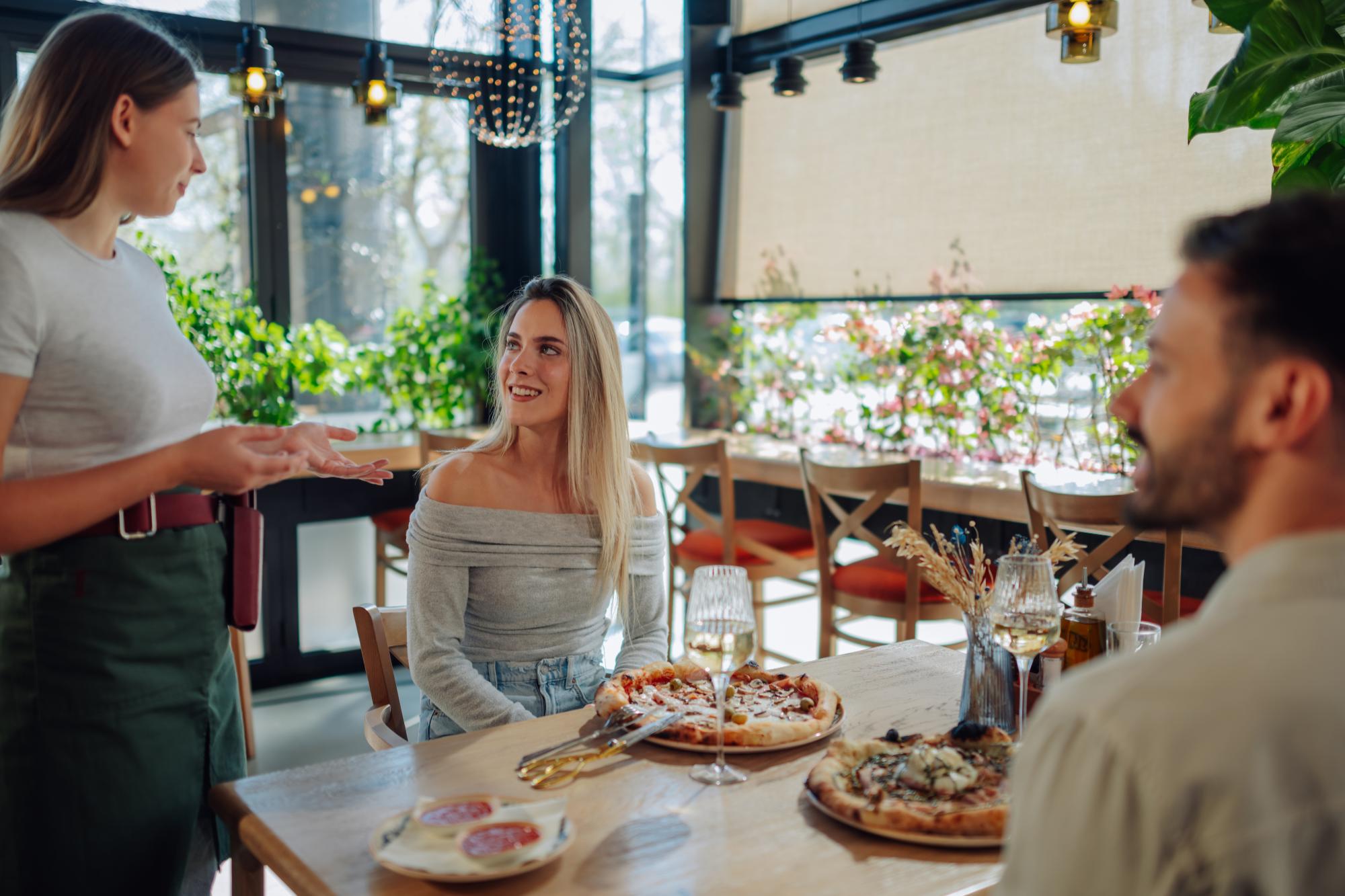
(So You Don’t Accidentally Order a Steak at a Coffee Shop)
If you’re visiting France, knowing where you’re sitting makes all the difference. Here’s how to decode the signs out front:
🥐 Café
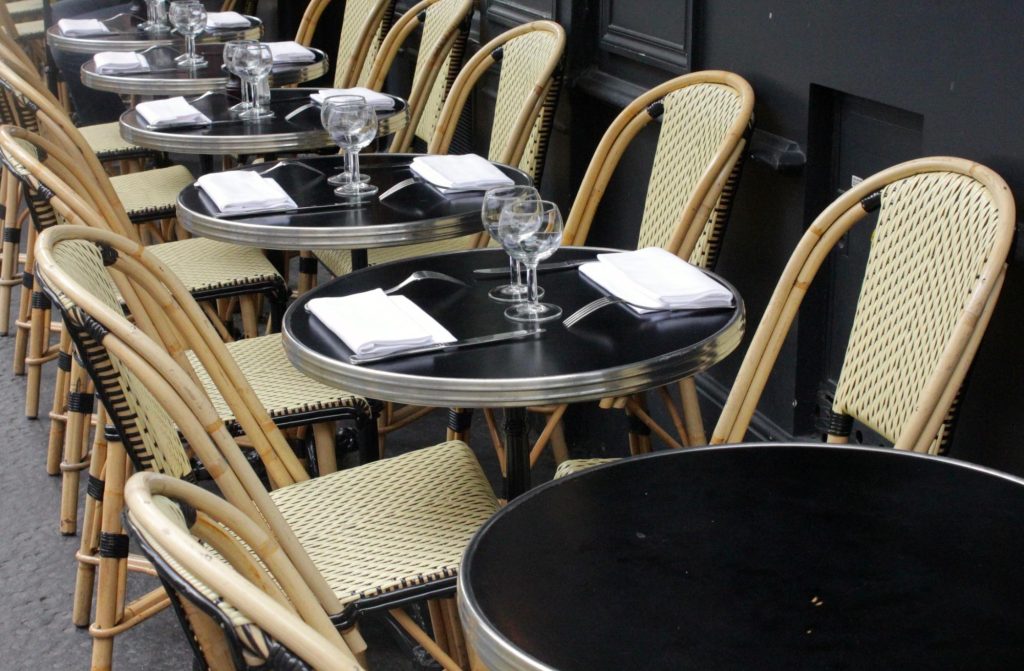
Think: Coffee, croissants, and people-watching on a sun-drenched terrace.
In France, a café isn’t just a place to grab a quick drink—it’s a ritual. These charming spots open early (often by 7 or 8am) and stay buzzing until early evening. Locals pop in for their morning espresso, a mid-morning break, or an apéro before dinner.
🪑 What you’ll find:
- A simple menu of drinks (espresso, café crème, wine)
- Light bites like croissants, pain au chocolat, quiche, or croque monsieur
- Tables spilling onto the sidewalk, perfect for people-watching
- Locals reading newspapers, chatting softly, or quietly enjoying the moment
☕ How to café like the French:
- Sit, relax, and savor—there’s no rush.
- Want to stay awhile? Just order a drink or small plate—it’s your “rent” for the table.
- Most French people drink espresso at the counter if they’re in a hurry—but the terrace? That’s for lingering.
📸 Pinterest tip: Order a café crème and sit outside with sunglasses and a good book. Snap a pic with your cup, a flaky croissant, and some cobblestone in the background—bonjour, French girl vibe!
🍽️ Bistrot
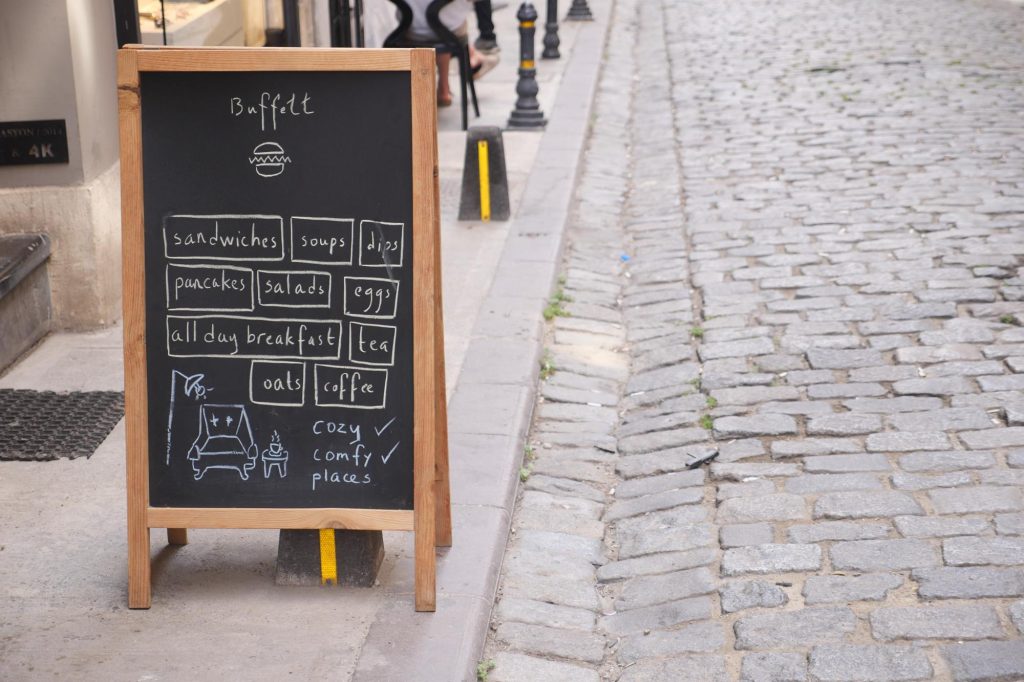
Think: Cozy, casual dining with serious flavor.
A bistrot (sometimes spelled bistro) is where locals go for hearty, homey meals in an intimate, relaxed setting. It’s smaller than a brasserie, more dinner-focused than a café, and full of old-school French charm—chalkboard menus, checkered tablecloths, and candlelight are common.
🧆 What’s on the menu:
- Comfort-food classics like steak-frites, boeuf bourguignon, or duck confit
- Starters like French onion soup or a warm goat cheese salad
- Daily specials (plats du jour) based on what’s fresh
🕯️ Best for: Dinner, date night, or your first “this-feels-so-French” evening out. Many bistrots don’t open until lunch or dinner—this isn’t your morning coffee spot.
👗 Dress code: Smart casual. Parisians do “effortless chic” well, so think: jeans with a nice blouse, a midi dress and loafers, or a sweater layered over a button-up. Heels optional—but comfy shoes are always wise.
📸 Pinterest tip: Snap a shot of your wine glass next to a candlelit table, with a rustic plate of duck confit or sizzling steak-frites in the frame. Bonus points for moody lighting and a handwritten menu.
🍻 Brasserie
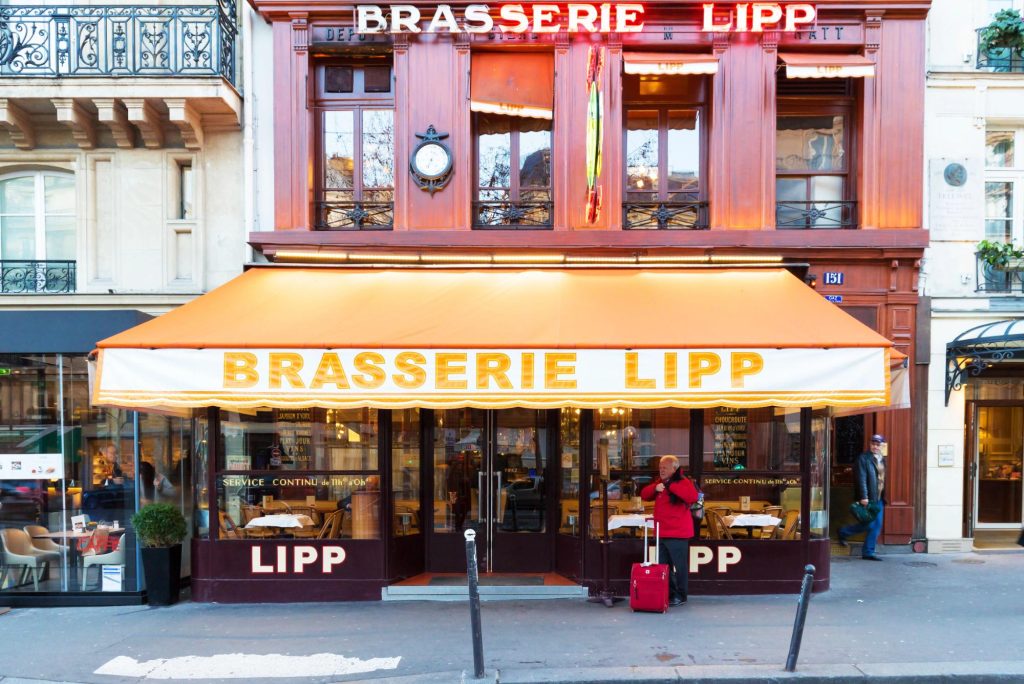
Think: Big, bustling, and built for all-day dining.
A brasserie is the French answer to a lively, reliable spot where you can grab a full meal almost any time of day. While many French restaurants close between lunch and dinner, brasseries often stay open straight through—making them a rare gem when hunger strikes outside traditional hours.
🍤 What’s on the menu:
- A wide-ranging selection: seafood towers, burgers, choucroute garnie, salads, tartare, and classic French fare
- Beer and wine always flowing—many brasseries trace their roots to 19th-century beer halls and some still brew in-house
- Great desserts too (crème brûlée, anyone?)
🕓 Best for: Late lunches, group dinners, Sunday meals when other spots are closed, or a spontaneous glass of wine and onion soup after sightseeing.
🎶 Vibe: Louder, faster-paced, and often buzzing with energy. You’ll find them in train stations, on busy boulevards, or at the heart of city nightlife. Perfect for people-watching or soaking up that Parisian café-chaos charm.
👠 Dress code: Flexible! From jeans and sneakers to business casual—it’s all welcome here. Just leave your workout clothes at the hotel.
📸 Pinterest tip: Order a seafood platter and snap a shot from above—iced oysters, lemon wedges, and a crisp glass of white wine = coastal French vibes, even in the middle of Paris.
☕ Bistrot vs. Brasserie vs. Café: What’s the Difference?
| Type | What to Expect | When to Go |
| Café | Light fare like espresso, croissants, or a croque monsieur. Great for people-watching or a quiet moment with your book. | Morning for coffee + pastries, or afternoon breaks between museums and shopping. |
| Bistrot | Cozy, intimate meals with traditional French dishes—think duck confit, boeuf bourguignon, or steak-frites. | Best for lunch or dinner when you want that authentic, sit-down French dining experience. |
| Brasserie | Larger, livelier venues with a broader menu: seafood, burgers, sauerkraut, and wine. Faster service, always buzzing. | Anytime! They’re open all day, making them ideal for late lunches, early dinners, or Sunday meals. |
📌 Pin-worthy tip:
Match your meal mood with the spot:
- Need a break? Head to a café.
- Want a classic French meal? Book a bistrot.
- Craving something lively and flexible? Try a brasserie.
✨ Pro Tip:
Menus are often posted outside. Take a peek before you sit—it’s totally normal!
Would you like me to turn this into a Pinterest-friendly graphic layout or printable cheat sheet?
