
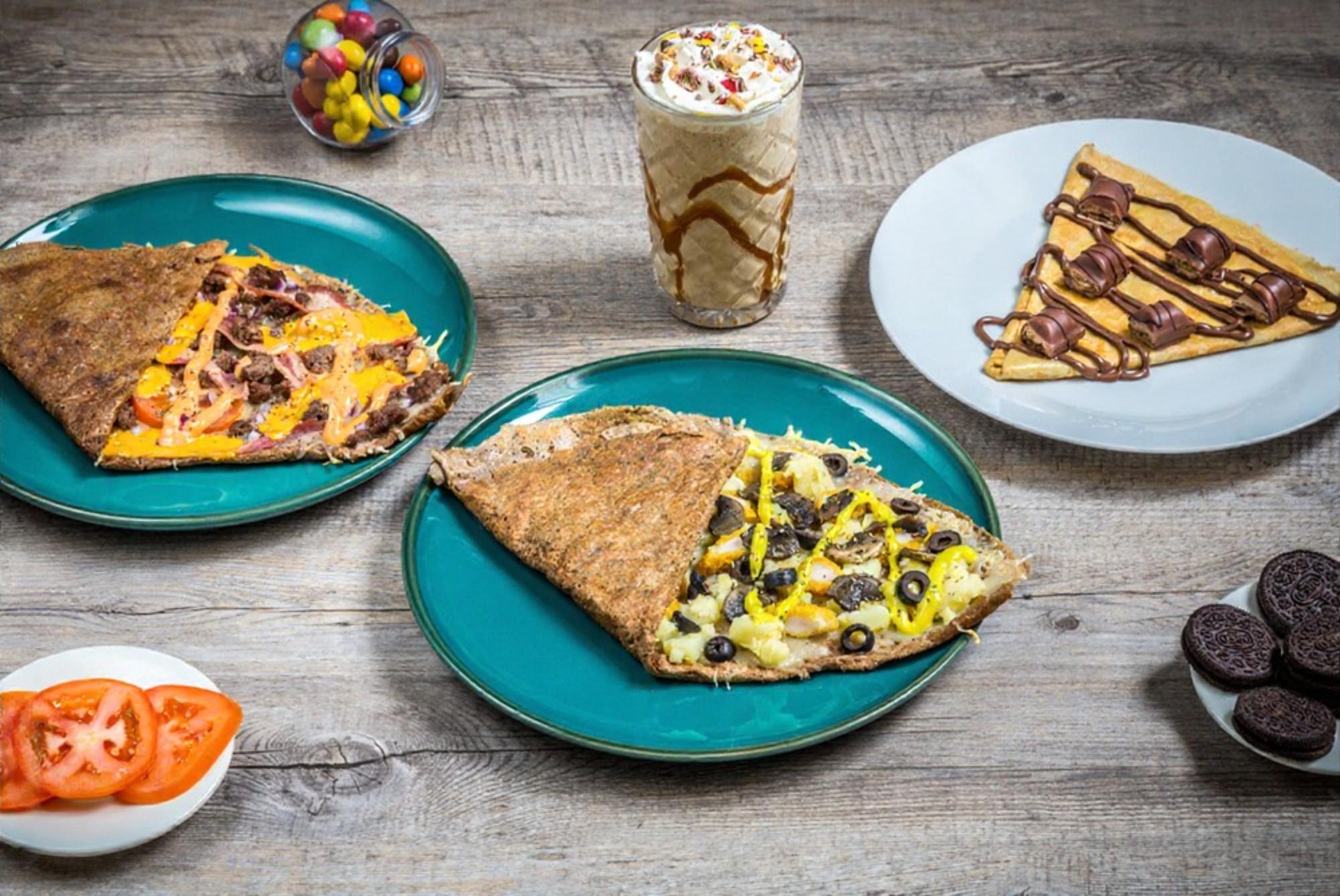
If you’re dreaming of a classic French treat, crêpes and galettes might both be on your list—but what sets them apart? While they look similar at first glance, these two beloved French pancakes have distinct ingredients, flavors, and traditions that make each uniquely delicious. Whether you’re planning a Paris café crawl or just want to order like a local, here’s everything you need to know about crêpes vs galettes.
What Are Crêpes?
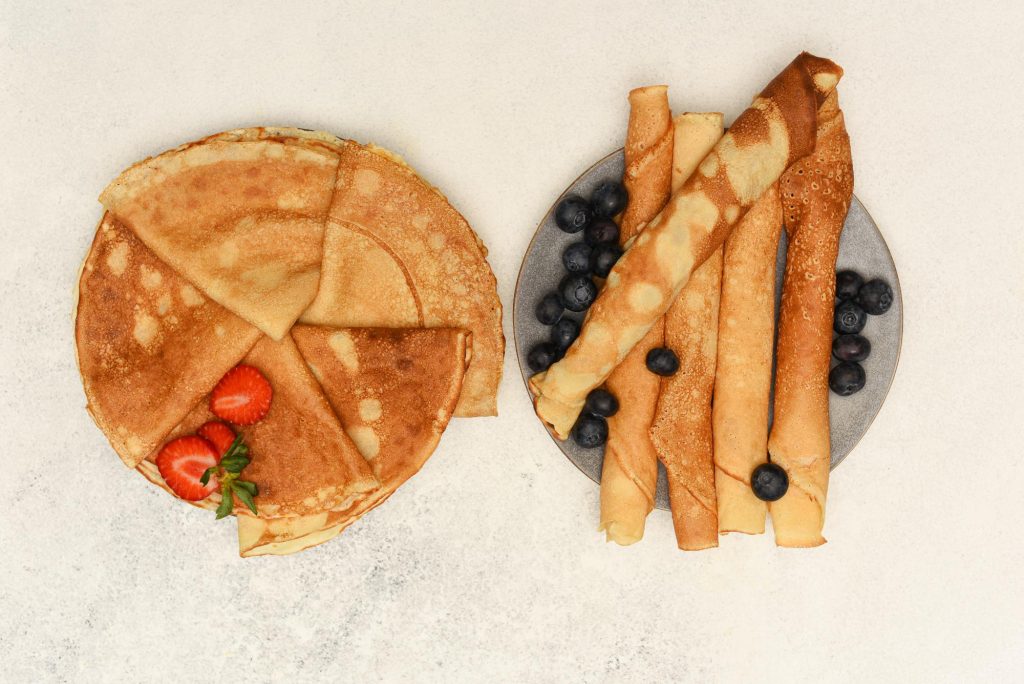
Crêpes are ultra-thin, soft pancakes made primarily from wheat flour, giving them a delicate texture and slightly sweet flavor. They’re incredibly versatile and can be enjoyed folded or rolled, often filled with deliciously sweet toppings like creamy Nutella, a sprinkle of powdered sugar, a squeeze of fresh lemon juice, or vibrant fruit preserves like strawberry or apricot.
Crêpes are a beloved staple for breakfast or dessert all across France—and their popularity has spread worldwide thanks to their light, melt-in-your-mouth quality. Whether you enjoy them simple or stacked high with layers of filling, crêpes are a comforting, elegant treat that feels both casual and indulgent.
✨ Pinterest Tip: For a picture-perfect moment, photograph a stack of golden crêpes layered with fresh berries—think raspberries, blueberries, or sliced strawberries—topped with a gentle dusting of powdered sugar. Capture the soft morning light and maybe a cup of café au lait beside it for that warm, cozy Parisian vibe that’s sure to get pins and saves.
What Are Galettes?
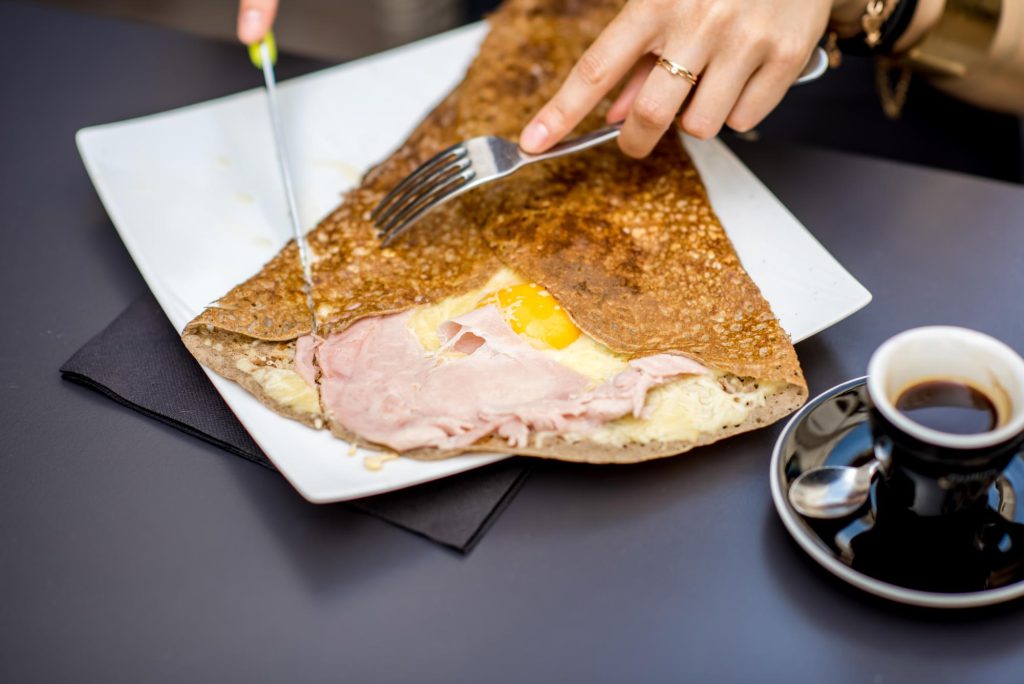
Galettes are the savory cousins of crêpes—made with buckwheat flour (called sarrasin in French), which gives them a slightly nutty flavor, crispier edges, and a rich, earthy aroma. They have a distinctive dark-gray hue and a heartier texture that sets them apart from the lighter, sweeter crêpes.
Originally from Brittany, in northwest France, galettes are a regional treasure and a staple of Breton cuisine. Traditionally served open-faced and square-shaped, they’re filled with savory ingredients like melted Emmental or Comté cheese, smoked ham, sautéed mushrooms, caramelized onions, or a perfectly cooked sunny-side-up egg (galette complète is a classic combo). More modern variations might include goat cheese, walnuts, or even smoked salmon with crème fraîche.
They’re filling, flavorful, and the go-to option for a satisfying French lunch or casual dinner, especially when paired with a glass of crisp Breton cider.
✨ Pinterest Tip: For a scroll-stopping shot, style your galette on a rustic wooden board with folded corners showing off the runny yolk, gooey cheese, and crisp edges. Add a side salad and a glass of cider in the background for full bistro de campagne vibes.
🥞 Crêpes vs. Galettes: Quick Comparison
| Feature | Crêpes | Galettes |
| Flour | Wheat flour | Buckwheat flour (farine de sarrasin) |
| Flavor | Sweet, light, and delicate | Nutty, earthy, and slightly savory |
| Typical Fillings | Chocolate, jam, lemon, fruit, sugar | Ham, cheese, egg, mushrooms, smoked salmon |
| Occasion | Breakfast, snack, or dessert | Lunch or dinner |
| Origin | All over France | Brittany (northwest France) |
✨ Pinterest Tip: Turn this chart into a visual pin with side-by-side photos—stacked crêpes with berries on one side, and a folded galette with runny egg and cheese on the other for maximum contrast and visual appeal.
🇫🇷 How to Order Like a Local in France
🥞 Want sweet? Ask for “une crêpe sucrée” — the classic dessert crêpe. Popular fillings include Nutella, sugar with lemon, or homemade jam.
🍳 Craving savory? Go for “une galette complète” — the go-to combo with ham, grated cheese, and a sunny-side-up egg, folded neatly into a square.
🍏 Drink like the French do: Pair your galette with a glass of Breton cider (ask for cidre brut if you want it dry). It’s the traditional match—and way better than soda.
✨ Pinterest Tip: Photograph your galette and cider on a wooden table with rustic flatware and a linen napkin for that cozy French countryside vibe.
