
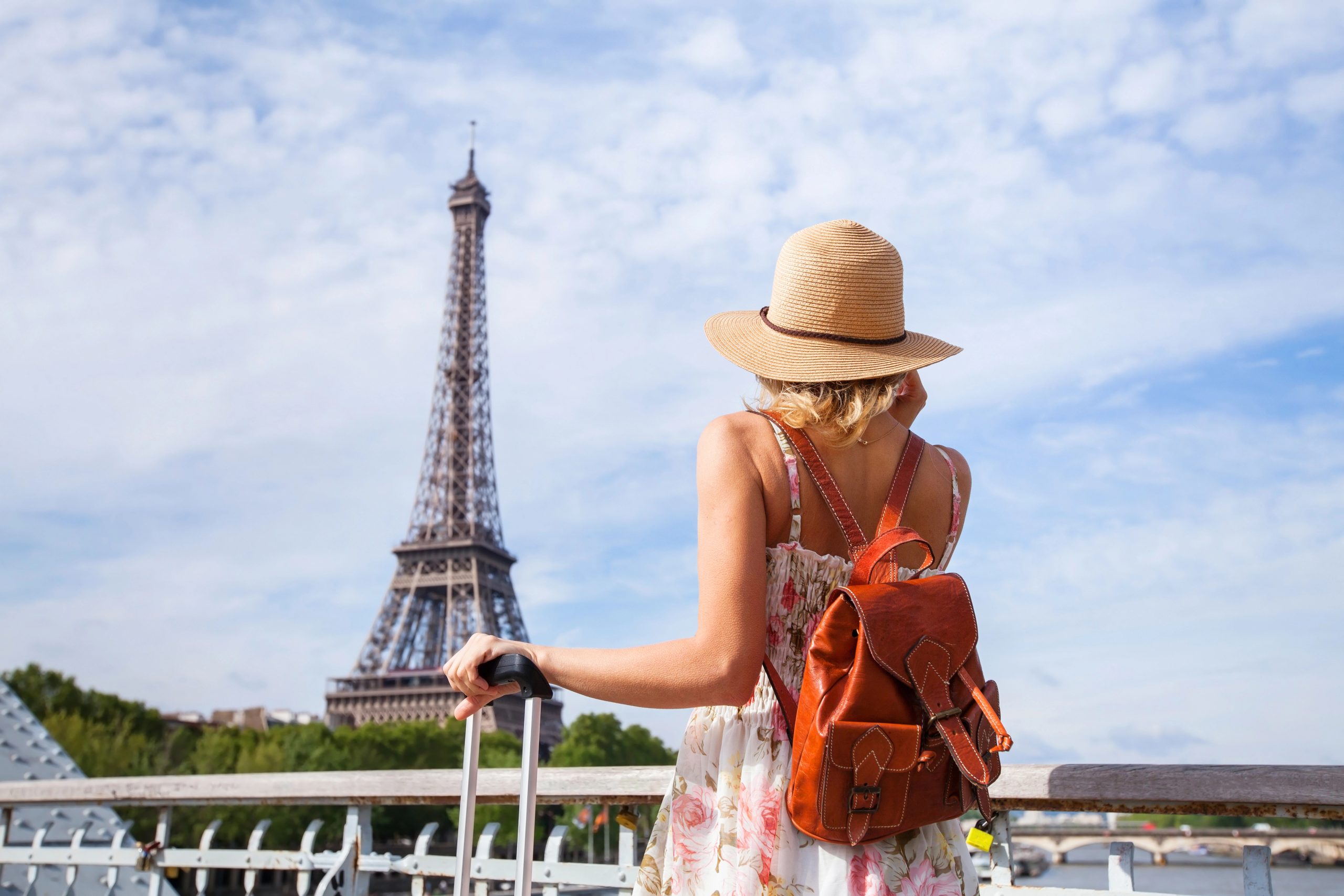
France has a reputation problem — not because it isn’t extraordinary, but because most people see the same 10% of it. The Eiffel Tower selfie. The Louvre queue. The overpriced café facing Notre-Dame. And then they go home thinking they’ve seen France.
They haven’t. Not really.
The France that locals know — the one that actually gets under your skin — is quieter, slower, and far more rewarding. And the good news? It’s not hard to find. You just have to plan differently.
Here’s how to do it.
🧳 Perfect for: Curious travelers, repeat visitors, culture seekers, slow travelers, and anyone who’s done Paris once and wants something more.
🗺️ Think in Regions, Not Cities
Most France itineraries are built around cities. Paris, Nice, Lyon, Bordeaux — tick, tick, tick. The problem is that France’s soul lives between the cities, in the regions that shaped its food, wine, language, and character.
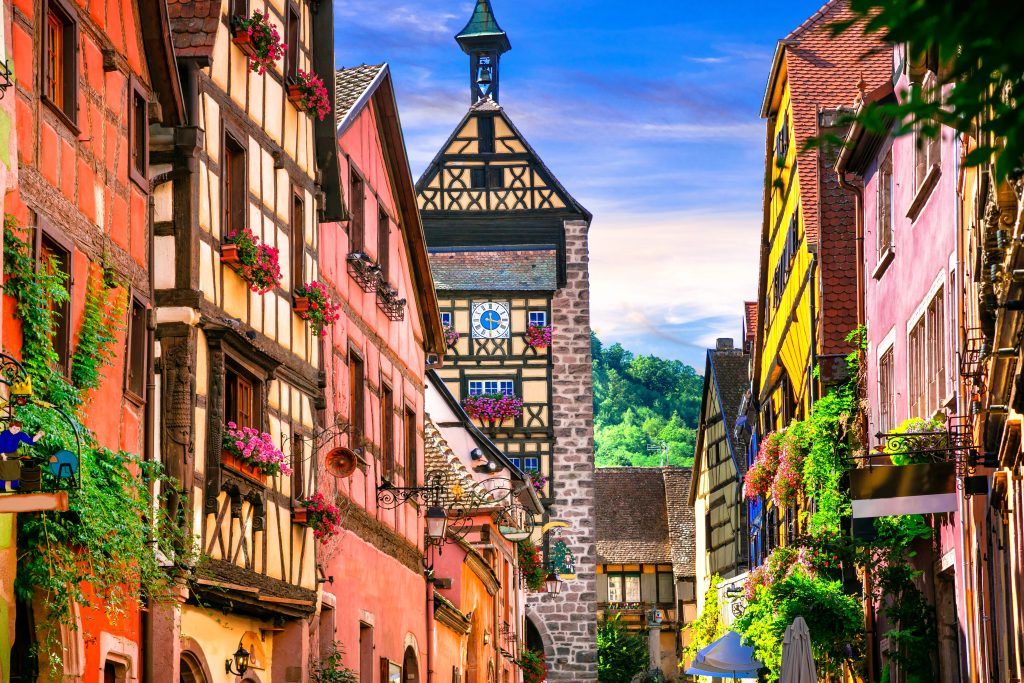
Alsace doesn’t feel like the rest of France — it feels like a fairy tale that can’t decide if it’s French or German, with half-timbered houses, Riesling vineyards, and Christmas markets that are genuinely the best in the country. The Dordogne is medieval villages, truffle markets, and prehistoric cave paintings with almost no crowds. The Basque Country has its own language, its own cuisine, and a coastal wildness that the Riviera lost decades ago.
💡 The rule: pick one region and go deep, rather than three cities and stay shallow. A week in Provence will teach you more about France than a week bouncing between Paris, Lyon, and Nice ever could.
Why it matters: Regions have rhythms — market days, local festivals, seasonal foods — that cities have largely lost to tourism. When you align your trip with those rhythms, France starts to feel like it belongs to you.
🏘️ Stay Where Tourists Don’t
Skip the Hotel Strip, Find the Neighborhood
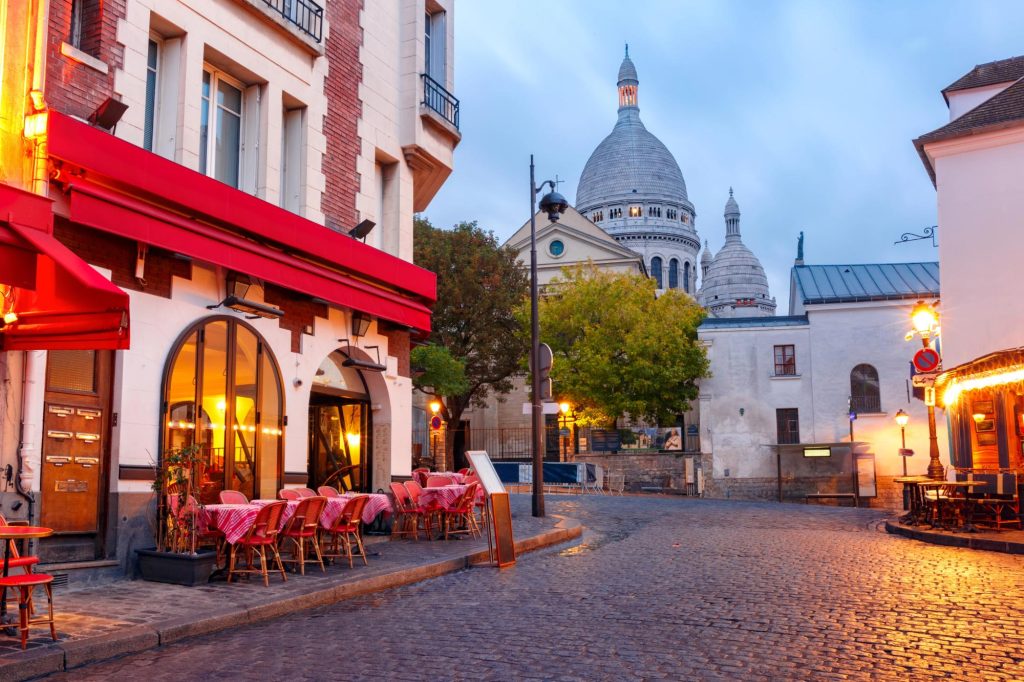
In Paris, the difference between staying in the 1st arrondissement (tourist central) and the 11th (where Parisians actually live) is enormous. Same city, completely different experience. The 11th has better bistros, cheaper wine, and the kind of street life that makes you feel like you’ve stumbled into someone’s real life rather than a stage set.
The same logic applies everywhere:
- In Lyon, stay in the Croix-Rousse neighborhood — the old silk-weavers’ district — rather than near the train station
- In Bordeaux, look for accommodation in the Saint-Michel or Chartrons quarters
- In Nice, the Libération district is local, lively, and a fraction of the price of the seafront
Chambres d’Hôtes Over Chain Hotels
A chambre d’hôtes is a French B&B, and it is one of the great underused travel tools in this country. Your host will tell you which boulangerie is actually good, which restaurant to avoid, and which road to take for the best view. That information is worth more than any guidebook.
🛏️ Best for: Countryside travel, wine regions, Normandy, Provence, Alsace — anywhere outside a major city
Vibe: Intimate, personal, genuinely French
🍽️ Eat Off the Tourist Trail
The Two-Street Rule
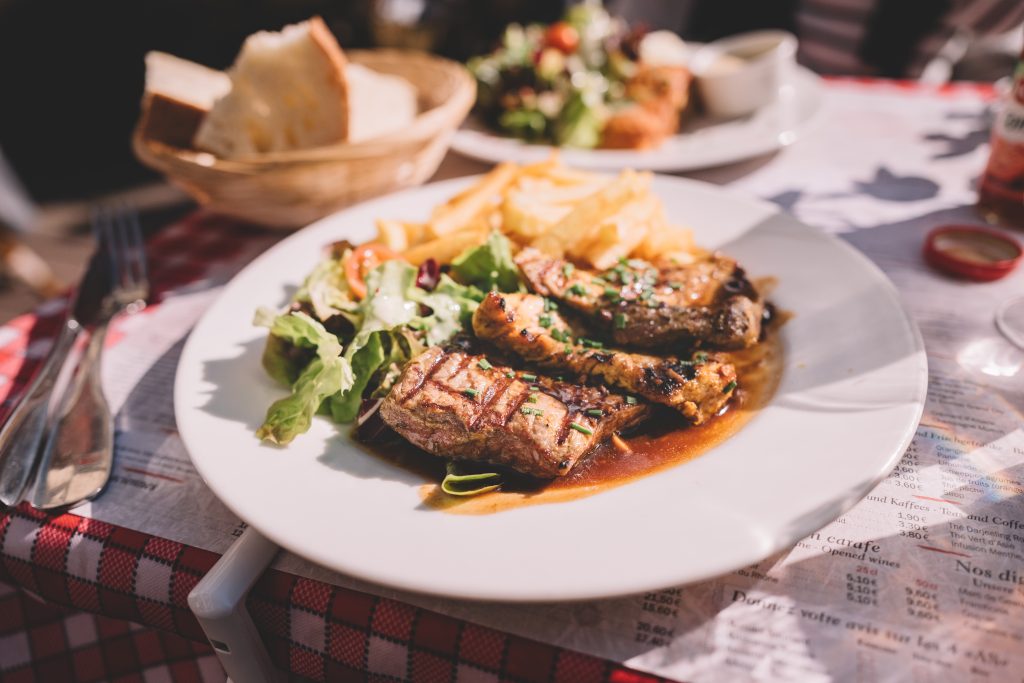
Walk two streets away from any major landmark and the prices drop, the menus improve, and the clientele shifts from tourists to locals. This works in every French city without exception. The café directly facing the Sacré-Cœur charges €6 for an espresso. Two streets back: €1.80. Same coffee, different world.
Read the Room Before You Sit Down
A restaurant with a menu translated into four languages, photos of the dishes, and a host standing outside waving you in is almost always a tourist trap. A restaurant with a handwritten chalkboard menu, no English translation, and a full room of French people at 12:30 PM is almost always excellent.
🍽️ Must-try move: Ask your accommodation host where they eat. Not where they send tourists — where they actually go on a Friday night. That answer is gold.
Market Days Are Non-Negotiable
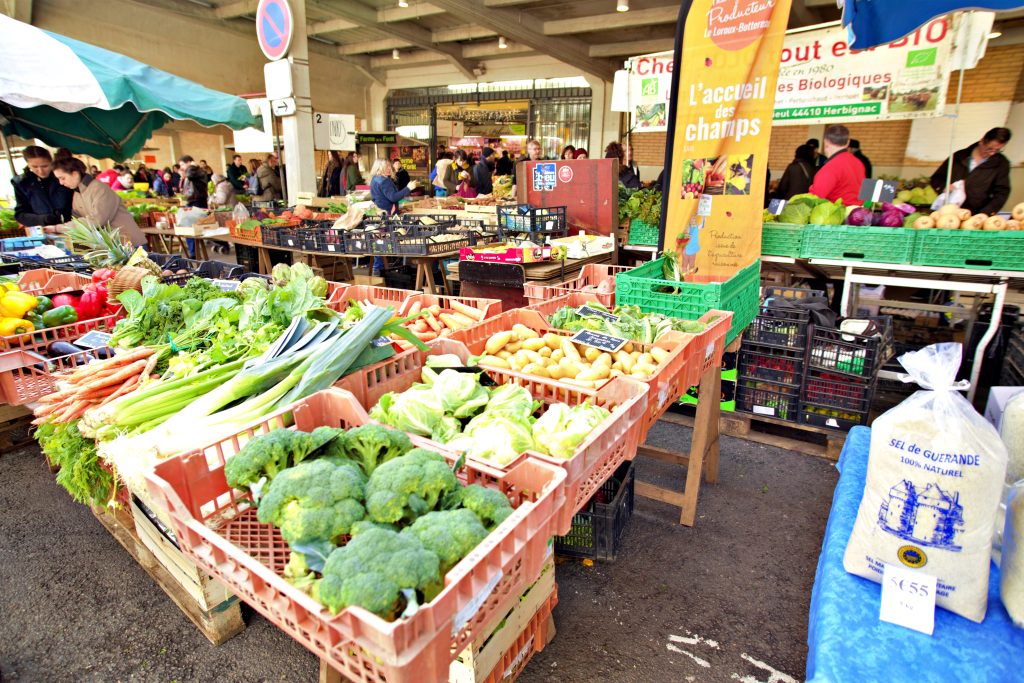
Every French town has a weekly marché. This is not a tourist attraction — it’s where locals shop, gossip, and argue about cheese. Show up, buy something, eat it on a bench nearby. This is France at its most unfiltered and most delicious.
Best for: Slow mornings, spontaneous conversations, discovering regional specialties that never appear on restaurant menus
Vibe: Authentic, sensory, unhurried
🚶 Move Like a Local, Not a Checklist
Resist the Urge to See Everything
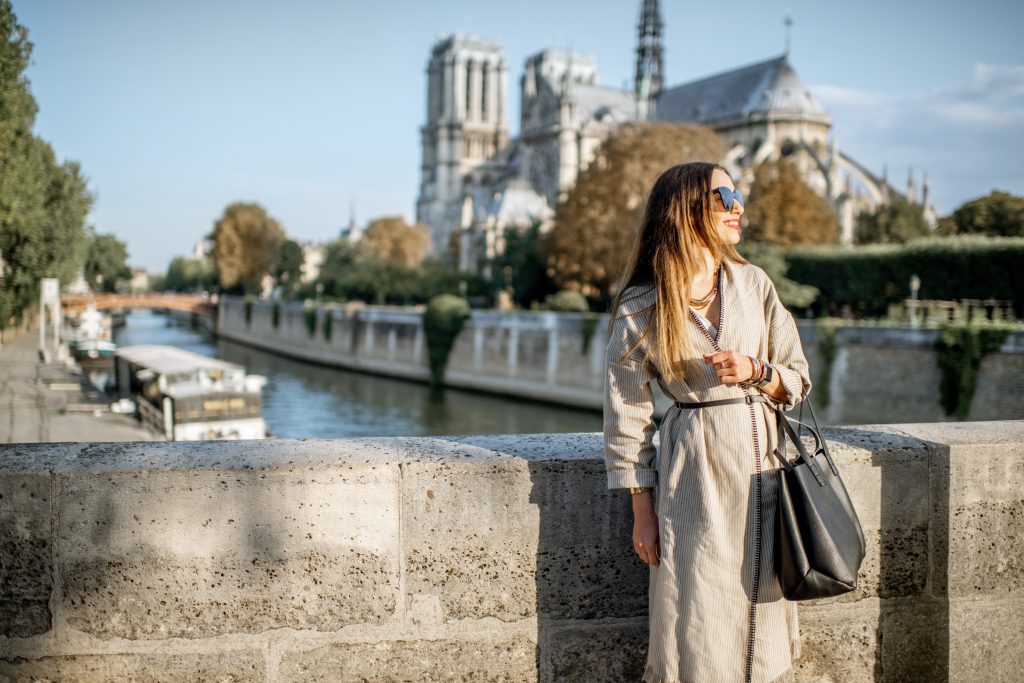
The tourist trap isn’t always a place — sometimes it’s a mindset. The traveler who tries to see Versailles, the Louvre, Montmartre, and the Eiffel Tower in one day sees none of them properly. The traveler who spends a whole morning in one wing of the Louvre, then has a long lunch, then wanders the Palais Royal gardens — that person actually experiences something.
France rewards the unhurried. Its pleasures are almost all slow ones: a two-hour lunch, a walk along a canal, a glass of wine that turns into three.
Walk More Than You Think You Should
French cities are built at a human scale. In Paris, the distance from the Marais to Saint-Germain is a 25-minute walk along the Seine — one of the most beautiful urban strolls in the world, and it costs nothing. In Lyon, walking between the two rivers takes you through neighborhoods that no tour bus visits. In Bordeaux, the entire old city is a UNESCO World Heritage Site best seen on foot.
🚲 Local tip: Rent a bike for a half-day in any French city. You’ll cover more ground than on foot, see more than on the metro, and feel infinitely more like you belong there.
Vibe: Exploratory, spontaneous, genuinely local
🎭 Find the Real Culture
Go to the Places Locals Actually Go
France has extraordinary cultural institutions that tourists consistently overlook because they’re not on the standard itinerary. Parc de la Villette in Paris’s 19th arrondissement is the third-largest park in the city, home to Europe’s largest science museum, outdoor cinema in summer, and almost no tourists. The Musée des Confluences in Lyon is one of the most architecturally stunning museums in Europe — and most visitors to Lyon have never heard of it.
🎨 Insider move: Check local event listings (agenda culturel) for the city you’re visiting. French cities have rich calendars of concerts, open-air cinema, food festivals, and neighborhood events that never make it into travel guides.
Attend a Local Market, Festival, or Fête
France has a festival for almost everything — lavender in Provence, oysters in Brittany, wine harvests in Burgundy, jazz in Juan-les-Pins. These events are attended almost entirely by locals and are some of the most vivid, joyful experiences the country offers. A quick search for “fête” or “festival” plus your destination and travel dates will usually surface something extraordinary.
Take a Class, Not Just a Tour
A cooking class, a wine tasting at a small producer, a bread-baking morning at a village boulangerie — these experiences put you in direct contact with French people doing what they love. They’re more memorable than any museum visit and often surprisingly affordable.
Vibe: Participatory, warm, genuinely connected
📅 Time It Right
Shoulder Season Is the Secret
May, June, and September are when France is at its best for the non-touristy traveler. The weather is excellent, the lavender is blooming (in June), the vendange (grape harvest) is beginning (in September), and the crowds at major sites are manageable rather than crushing.
July and August bring the highest prices, the longest queues, and — paradoxically — the fewest locals, since most French people leave the cities for the coast and countryside in August. Paris in August can feel like a theme park version of itself.
Weekdays Over Weekends
The Louvre on a Tuesday morning is a completely different experience from the Louvre on a Saturday afternoon. Versailles on a Wednesday is almost peaceful. If your schedule allows any flexibility, mid-week visits to major sites will transform your experience of them.
⏰ Best times: Early morning for famous sites (before 9 AM, the light is better and the crowds haven’t arrived), golden hour for photography, and Sunday mornings for wandering neighborhoods that are quiet and unhurried.
Vibe: Calm, golden, yours
💬 The Language Thing — Just Try
This is not optional. It is the single most effective thing you can do to shift your experience from “tourist” to “traveler” in France.
You don’t need to be fluent. You need four things: Bonjour (hello), s’il vous plaît (please), merci (thank you), and parlez-vous anglais? (do you speak English?). Lead with those, and the entire tone of your interactions changes. French people are not cold — they are formal. They have a ritual of greeting that matters to them. Respect it, and they open up completely.
💬 The magic phrase: Always begin any interaction — in a shop, a café, a museum — with “Bonjour” and a small smile. Never launch straight into English. This one habit will change how France treats you.
Vibe: Respectful, warm, surprisingly rewarding
🧭 The Planning Mindset That Changes Everything
Here’s the honest truth about “touristy” travel: it’s not really about the places. It’s about the pace.
The tourist itinerary is built around seeing things. The local experience is built around being somewhere. Those are fundamentally different activities, and they produce fundamentally different trips.
What non-touristy France actually looks like:
- A morning at a village market with no agenda afterward
- A lunch that lasts two hours because the conversation was good
- Getting slightly lost in a neighborhood you didn’t plan to visit
- Saying yes to the thing your host recommended instead of the thing TripAdvisor ranked #1
- Sitting at a café long enough to watch the light change
France is one of the few countries in the world where doing less is almost always the right choice. The country is designed for lingering — its cafés, its parks, its riverbanks, its village squares. The traveler who understands this doesn’t just visit France. They feel it.
