
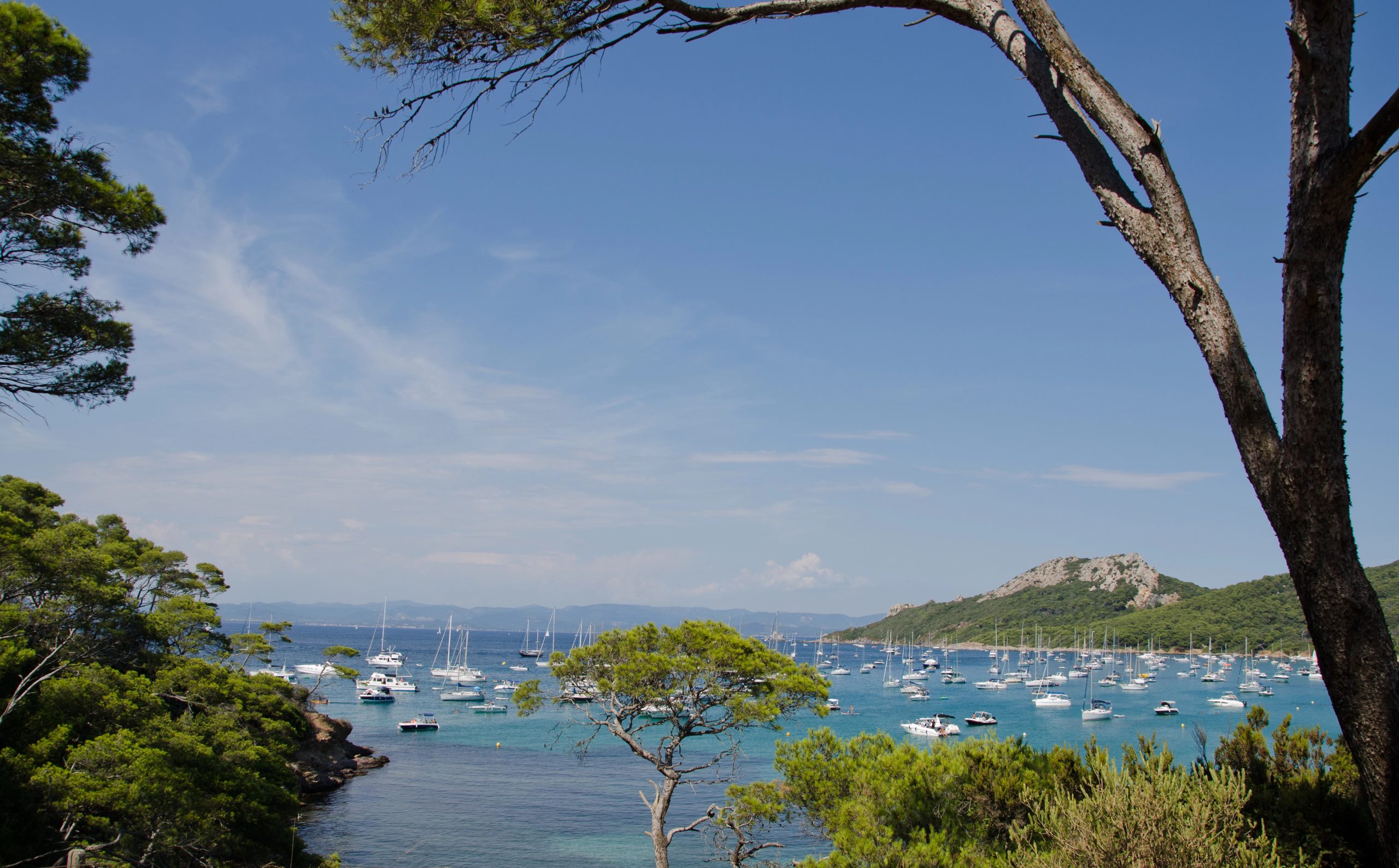
France isn’t just baguettes and the Eiffel Tower — it has some of Europe’s most stunning islands.
When you think of French islands, maybe Corsica comes to mind. Perhaps the French Riviera’s Îles de Lérins if you’re fancy.
But France has dozens of incredible islands scattered across the Mediterranean, Atlantic, and even the Indian Ocean — each with its own personality, landscapes, and reasons to visit.
Some have Caribbean-level beaches. Others have wild, windswept cliffs. A few feel like stepping back in time to a France that moves at bicycle speed.
Here are seven French islands you can actually visit — no private yacht required.
🏝️ 1. Île de Ré (Atlantic Coast)
The Chic Cycling Paradise
Where: Off La Rochelle, western France Size: 30 km long, 5 km wide Vibe: Upscale beach town meets laid-back island life Getting there: Bridge from La Rochelle (3-hour drive from Paris or direct train)
Why Go
Île de Ré is where Parisians escape for summer — and once you arrive, you’ll understand why.
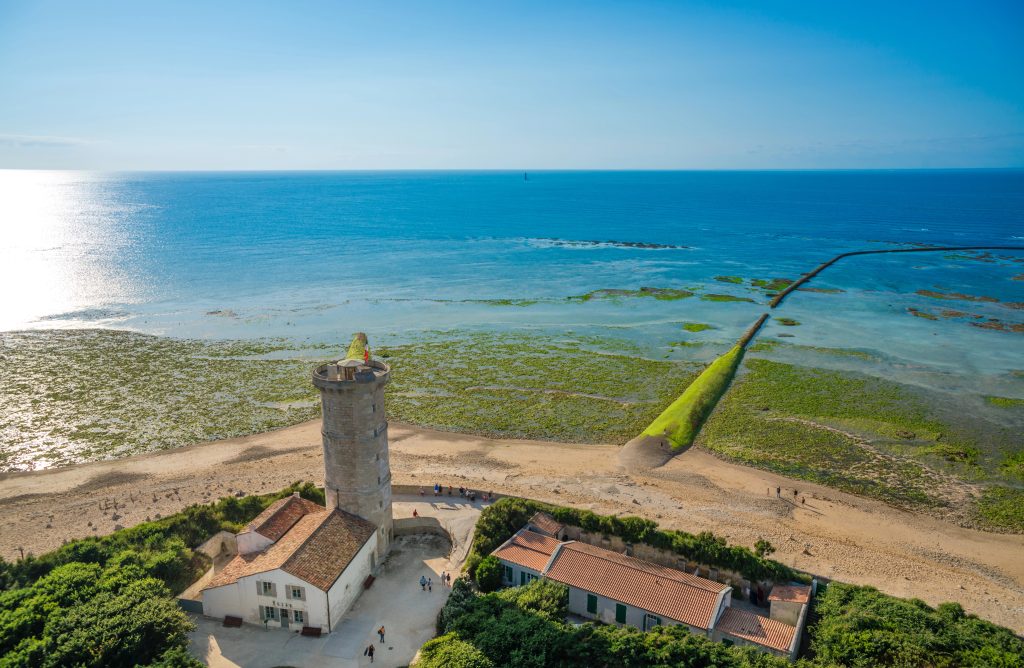
Picture white-washed villages with signature green shutters, endless sandy beaches, working salt marshes turning pink at sunset, and over 100 km of dedicated bike paths connecting it all. The island feels like a French version of Nantucket: sophisticated but relaxed, with excellent restaurants, boutique shops, and that effortless coastal elegance the French do so well.
What to Do
Cycle everywhere — this is a cycling island. The terrain is pancake-flat, and every village has bike rentals. You can cycle the perimeter in a day or explore village by village.
Saint-Martin-de-Ré is the island’s jewel — a fortified harbor town (UNESCO site) with Vauban ramparts, morning markets, and waterfront restaurants perfect for oyster lunches.
Beaches suit every mood — Plage de la Conche for families, Plage du Bois-Plage for long stretches of sand.
Salt marshes cover the interior. Visit working salt pans to see traditional fleur de sel harvesting.
Oyster tasting at coastal cabins — fresh from the morning’s catch, paired with crisp white wine.
Where to Eat
Le Chat Botté (Saint-Martin) — seafood with harbor views La Cabane du Fier — oyster shack on stilts over water Village markets — stock up for beach picnics
Best Time
June–September for beach weather (August is crowded) May or September for warm weather with fewer tourists
🏝️ 2. Belle-Île-en-Mer (Brittany)
The Dramatic Wild Beauty
Where: Off Brittany’s southern coast Size: 20 km long, 9 km wide Vibe: Rugged cliffs, artists’ haven, authentic Breton culture Getting there: Ferry from Quiberon (45 minutes)
Why Go
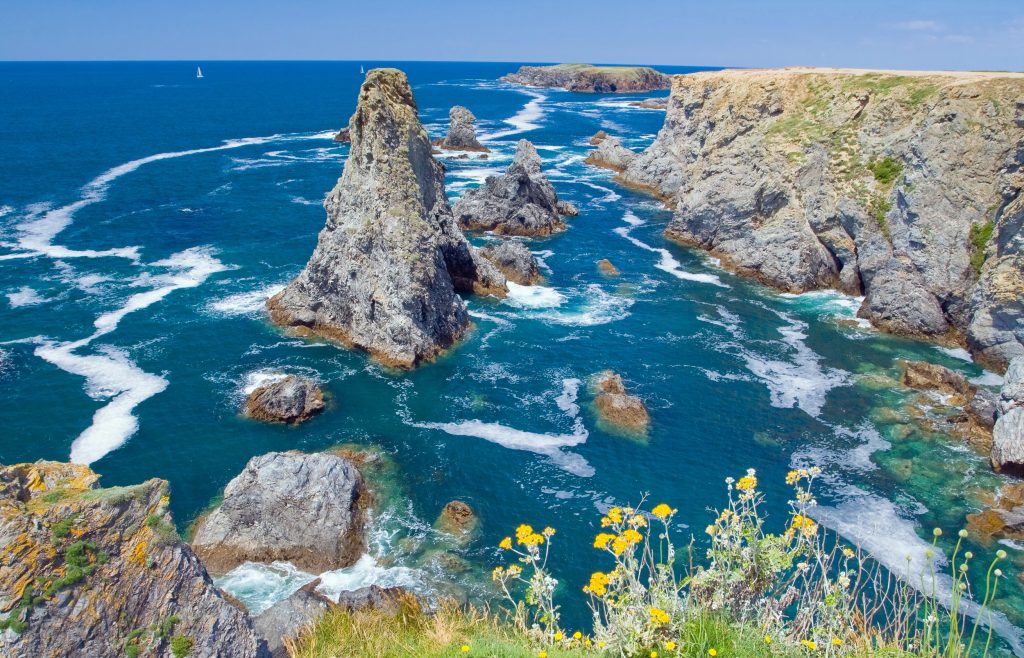
Belle-Île is Brittany’s largest island and its most dramatic — towering cliffs plunge into churning Atlantic waters, hidden coves shelter white sand beaches, and wild moorland stretches endlessly.
This isn’t a beach resort. It’s for hikers and nature lovers who want to feel the raw power of the Atlantic. Monet spent two months here painting the rock formations.
What to Do
Coastal hiking on the GR340 trail that circles the island (90 km total, or tackle sections as day hikes). The western coast is particularly spectacular.
Aiguilles de Port-Coton — needle-like rock formations Monet painted, especially dramatic when waves crash against them.
Le Palais — main town with colorful harbor and massive Vauban citadel housing a museum.
Sauzon — tiny fishing village with pastel houses, perfect for long lunches.
Cycling — rent bikes or e-bikes (the island has hills, unlike flat Île de Ré).
Where to Eat
Café de la Cale (Sauzon) — fresh fish, harbor setting Roz Avel (Bangor) — traditional Breton crêperie Markets in Le Palais (Tuesday, Friday, Sunday mornings)
Best Time
May–June or September — fewer tourists, wildflowers, perfect hiking Avoid winter — reduced ferries, many places closed
🏝️ 3. Porquerolles (French Riviera)
The Mediterranean Paradise
Where: Off Hyères, French Riviera Size: 7 km long, 3 km wide Vibe: Turquoise water, pine forests, car-free bliss Getting there: Ferry from Hyères (20 minutes)
Why Go
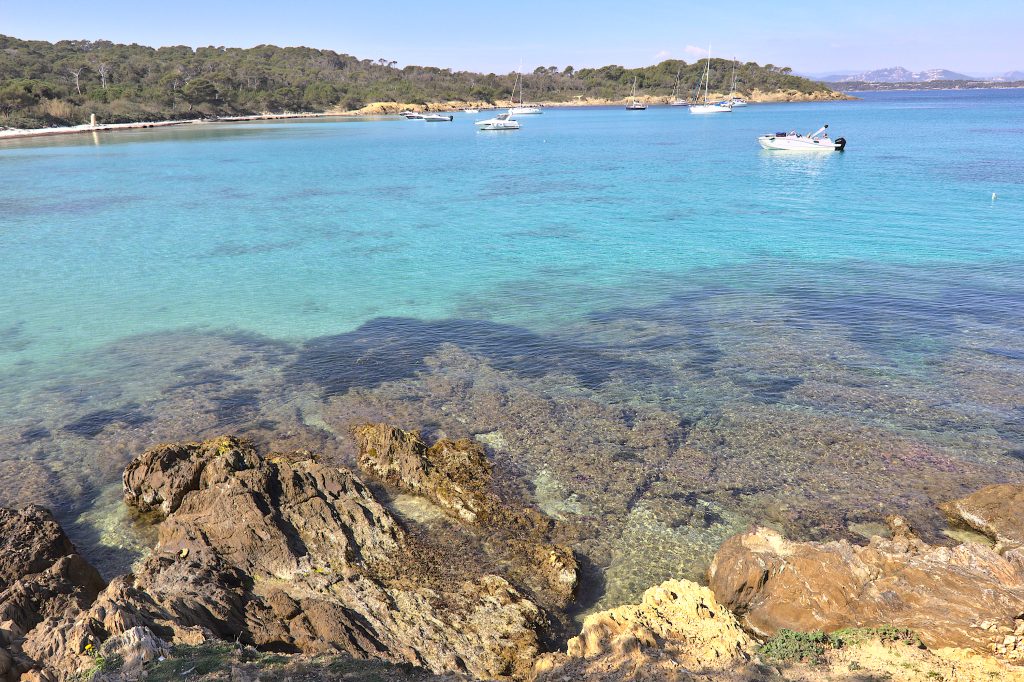
Porquerolles is the French Riviera before development — pristine beaches, crystal-clear water, protected nature, and no cars. The island is 80% national park with beaches rivaling the Caribbean.
What to Do
Plage Notre-Dame — consistently rated one of Europe’s best beaches with white sand and turquoise water.
Plage d’Argent — family-friendly with shallow water and pine shade.
Cycling — the only way around (rentals at the port). The island is small and mostly flat.
Fort Sainte-Agathe — 16th-century fort with panoramic views.
Wine tasting — three vineyards produce excellent rosé.
Snorkeling in rocky coves with excellent visibility.
Where to Eat
L’Oustaou de Diou — Provençal cuisine, garden setting Le Pelagos — beachfront, fresh fish Pack a picnic — limited restaurants, bring supplies from mainland
Best Time
June or September — warm water, manageable crowds July–August — beautiful but packed (arrive early)
Pro Tip
Stay overnight to have beaches to yourself after day-trippers leave at 6 PM.
🏝️ 4. Île d’Ouessant (Brittany)
The Edge of the World
Where: Off Brittany’s westernmost tip Size: 8 km long, 4 km wide Vibe: Windswept, remote, dramatic Getting there: Ferry from Brest (2.5 hours) or Le Conquet (1 hour)
Why Go
Ouessant is France’s westernmost point — a wild, treeless island battered by Atlantic storms, surrounded by treacherous waters with over 50 shipwrecks.
This is for people who find beauty in harsh landscapes, where wind shapes everything and you feel at the edge of the world.
What to Do
Lighthouses — five on the island, including Phare du Créac’h, one of the world’s most powerful, with a fascinating maritime museum.
Coastal walks along dramatic cliffs where waves crash with tremendous force. Seabirds nest on cliff faces.
Ecomusée — traditional island houses showing centuries-old island life.
Tiny black Ouessant sheep roaming semi-wild across the island.
Cycling to explore the interior (windy but manageable).
Where to Stay/Eat
Limited options in Lampaul (main village) — small hotels, crêperies. Book ahead.
Best Time
May–September for regular ferries and reliable weather Spring for wildflowers and nesting seabirds Winter for dramatic storms (but ferries often cancelled)
Who It’s For
Nature lovers, solitude seekers, lighthouse enthusiasts, anyone who prefers wind-whipped cliffs to crowded beaches.
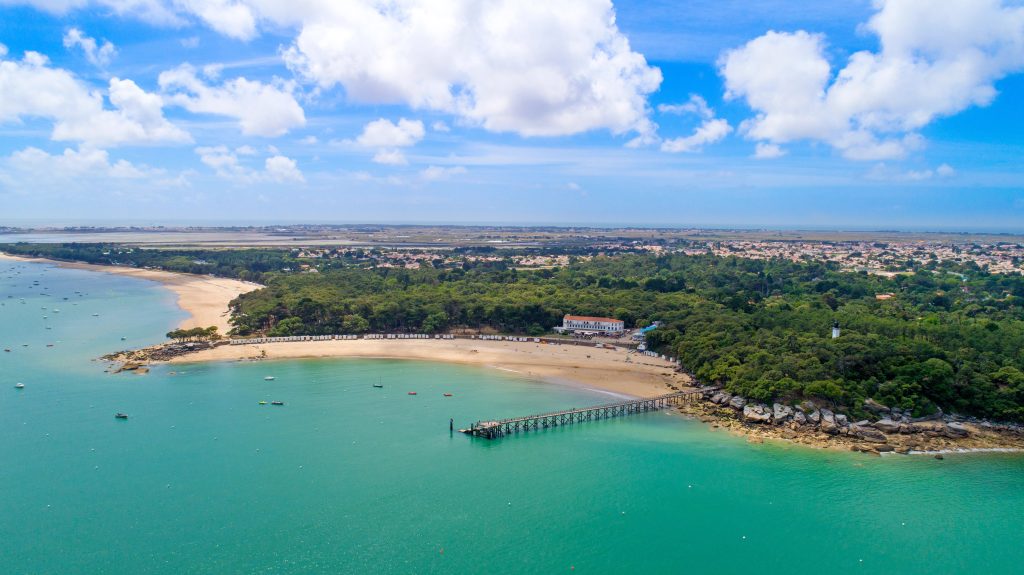
🏝️ 5. Île de Noirmoutier (Atlantic Coast)
The Tidal Island
Where: Vendée region, western France Size: 18 km long, up to 8 km wide Vibe: Family-friendly, beaches, salt marshes Getting there: Bridge from mainland OR Passage du Gois tidal causeway (only at low tide)
Why Go
Noirmoutier is famous for Passage du Gois — a 4.5 km road that disappears underwater twice daily. Time it wrong and your car gets swallowed by the Atlantic (rescue towers dot the route).
Beyond the dramatic causeway, it’s a lovely family island with beaches, salt marshes, mimosa forests, and excellent seafood.
What to Do
Passage du Gois — cross at low tide (2-hour window). Many walk it to see the seabed and collect shellfish. Watch tide times religiously.
Château de Noirmoutier — medieval castle with ramparts and museum.
Salt marshes — visit working salt pans, buy fleur de sel. Marshes turn pink and orange at sunset.
Beaches — from sheltered Plage des Dames to wilder Plage de la Clère.
Cycling — 80 km of flat, easy bike paths.
Mimosa forests bloom spectacularly in January–February.
Bonnotte potatoes — world’s most expensive potatoes (€4,000+ per kilo), grown only here, harvested in May.
Where to Eat
La Marine — seafood, harbor views L’Étier — Michelin-starred, splurge-worthy Markets — fresh oysters, local produce
Best Time
June–September for beach weather January–February for mimosa blooms May for bonnotte potato harvest
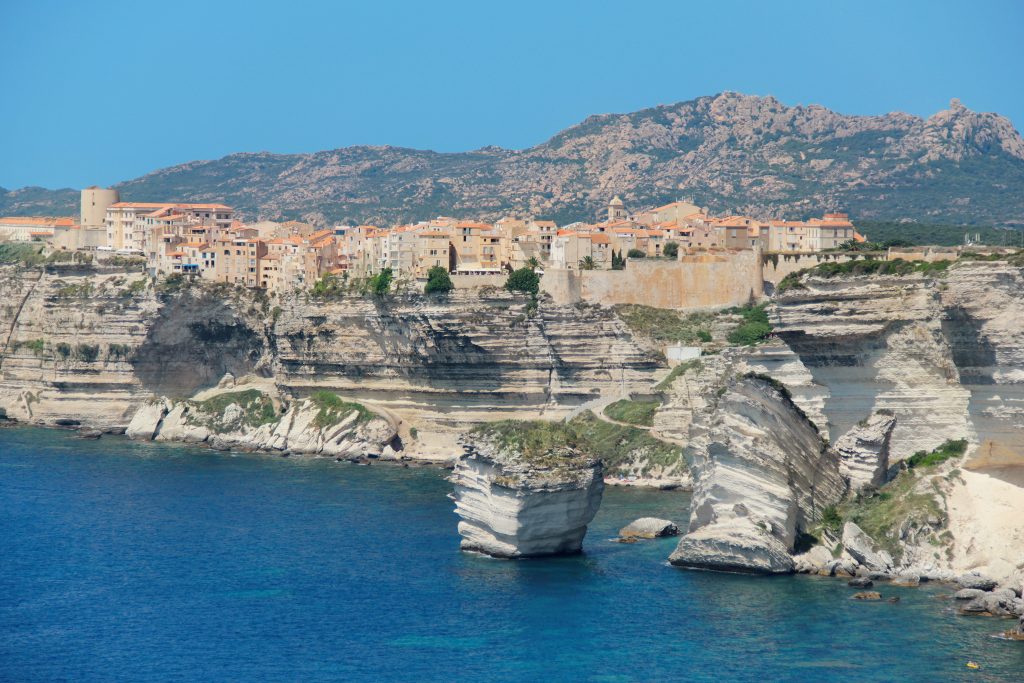
🏝️ 6. Corsica
The Mountain Island
Where: Mediterranean, closer to Italy than France Size: 183 km long, 83 km wide Vibe: Rugged mountains, Italian influence, fierce independence Getting there: Flights from Paris, Nice, Marseille OR ferries from Nice, Toulon, Marseille
Why Go
Corsica is a mountain range rising from the Mediterranean with beaches, alpine hiking, Italian-French fusion culture, and landscapes unlike anywhere else in France.
Napoleon was born here. Locals speak Corsican. The island has more personality than most countries.
What to Do (By Region)
North (Bastia/Cap Corse):
- Dramatic coastal roads around Cap Corse
- Fishing villages like Erbalunga
- Wine routes
West (Calvi/L’Île-Rousse):
- Calvi’s citadel and beaches
- Scandola Nature Reserve (UNESCO, boat access only)
- Calanques de Piana red rock formations
South (Bonifacio/Porto-Vecchio):
- Bonifacio on white cliffs 70m above sea
- Best beaches — Palombaggia, Santa Giulia
- Porto-Vecchio’s marina
Interior:
- GR20 hiking trail (Europe’s toughest, 15 days)
- Mountain villages like Corte
- Chestnut forests and gorges
Where to Eat
Charcuterie — coppa, lonzu, figatellu (Corsican cured meats) Brocciu cheese — fresh sheep/goat cheese Seafood — grilled simply with herbs Fiadone — traditional cheesecake dessert
Best Time
May–June or September–October — perfect weather, fewer crowds July–August — hot, crowded, expensive
How Long
Minimum 5 days — roads are slow and winding Ideal: 1–2 weeks
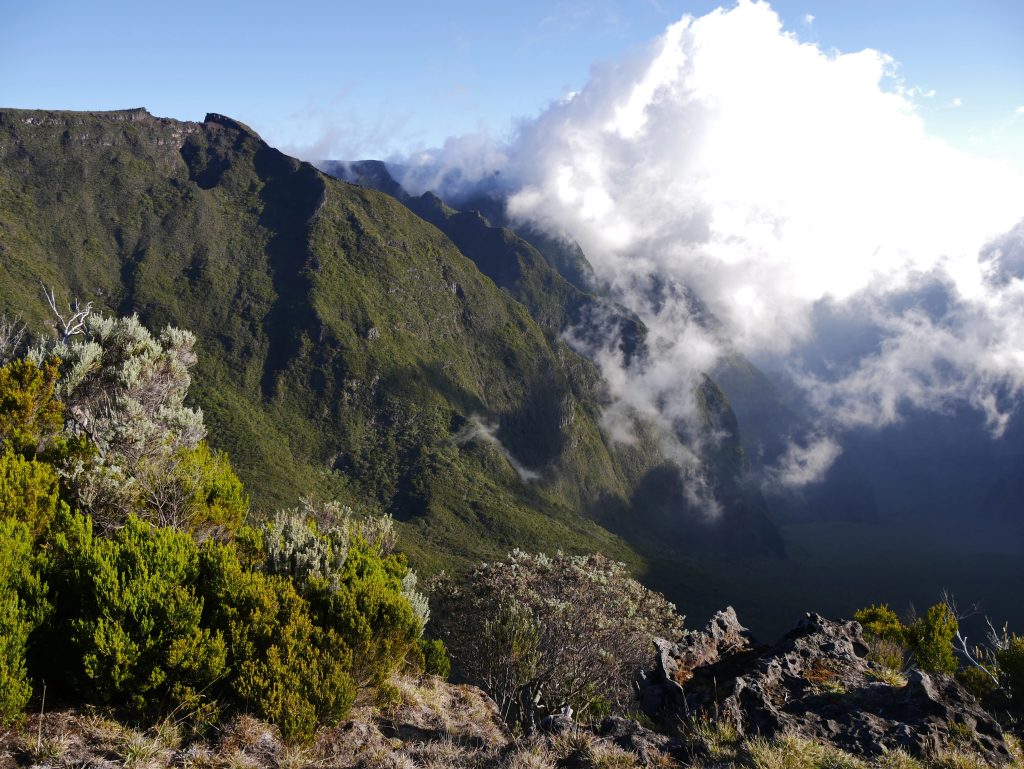
🏝️ 7. Réunion Island
The Tropical Volcano
Where: Indian Ocean, east of Madagascar Size: 63 km diameter Vibe: Active volcanoes, rainforests, Creole culture Getting there: 11-hour flight from Paris
Why Go
Réunion is France (same currency, language, laws) but feels like another planet.
An active volcano you can hike to, three dramatic cirques, waterfalls, rainforests, and beaches. Plus one of Earth’s most diverse cultures — African, Indian, Chinese, French blended into unique Creole identity.
40% of the island is UNESCO World Heritage.
What to Do
Piton de la Fournaise — active volcano, hike to the crater. Erupts regularly (safely). Lunar landscapes even when not erupting.
Cirque de Mafate — roadless caldera, accessible only by foot or helicopter. Multi-day hikes are bucket-list experiences.
Cirque de Cilaos — thermal springs, mountain village, accessed by 400+ turn road.
Cirque de Salazie — wettest cirque, massive waterfalls, lush vegetation.
Beaches — west coast (Saint-Gilles, L’Hermitage) for swimming and snorkeling.
Canyoning — rappelling waterfalls, jumping into pools.
Paragliding — world-class thermals and scenery.
Creole cuisine — cari, rougail, samosas, tropical fruits.
Where to Eat
Cari poulet — chicken curry with rice Rougail saucisse — spicy sausage stew Rhum arrangé — spiced rum (every family’s recipe)
Best Time
May–November — dry season, best hiking Avoid January–March — cyclone season
How Long
Minimum 1 week Ideal: 10–14 days
🗺️ Quick Comparison
| Island | Best For | Time Needed |
| Île de Ré | Cycling, beaches, food | 2–4 days |
| Belle-Île | Hiking, cliffs, nature | 2–3 days |
| Porquerolles | Beaches, snorkeling | 1–2 days |
| Ouessant | Solitude, lighthouses | 1–2 days |
| Noirmoutier | Families, tidal causeway | 2–3 days |
| Corsica | Mountains, beaches | 5–14 days |
| Réunion | Volcanoes, adventure | 7–14 days |
The Bottom Line
French islands aren’t just beach destinations — they’re distinct worlds with their own landscapes, cultures, and personalities.
Want chic cycling and oysters? Île de Ré. Dramatic cliffs and wild Atlantic? Belle-Île or Ouessant. Caribbean-level beaches in the Med? Porquerolles. Mountains rising from the sea? Corsica. Active volcanoes and rainforests? Réunion.
Each offers something you can’t find on mainland France — and all are easier to reach than you think.
Ready to trade the Eiffel Tower for island time? These seven French islands are waiting.
