
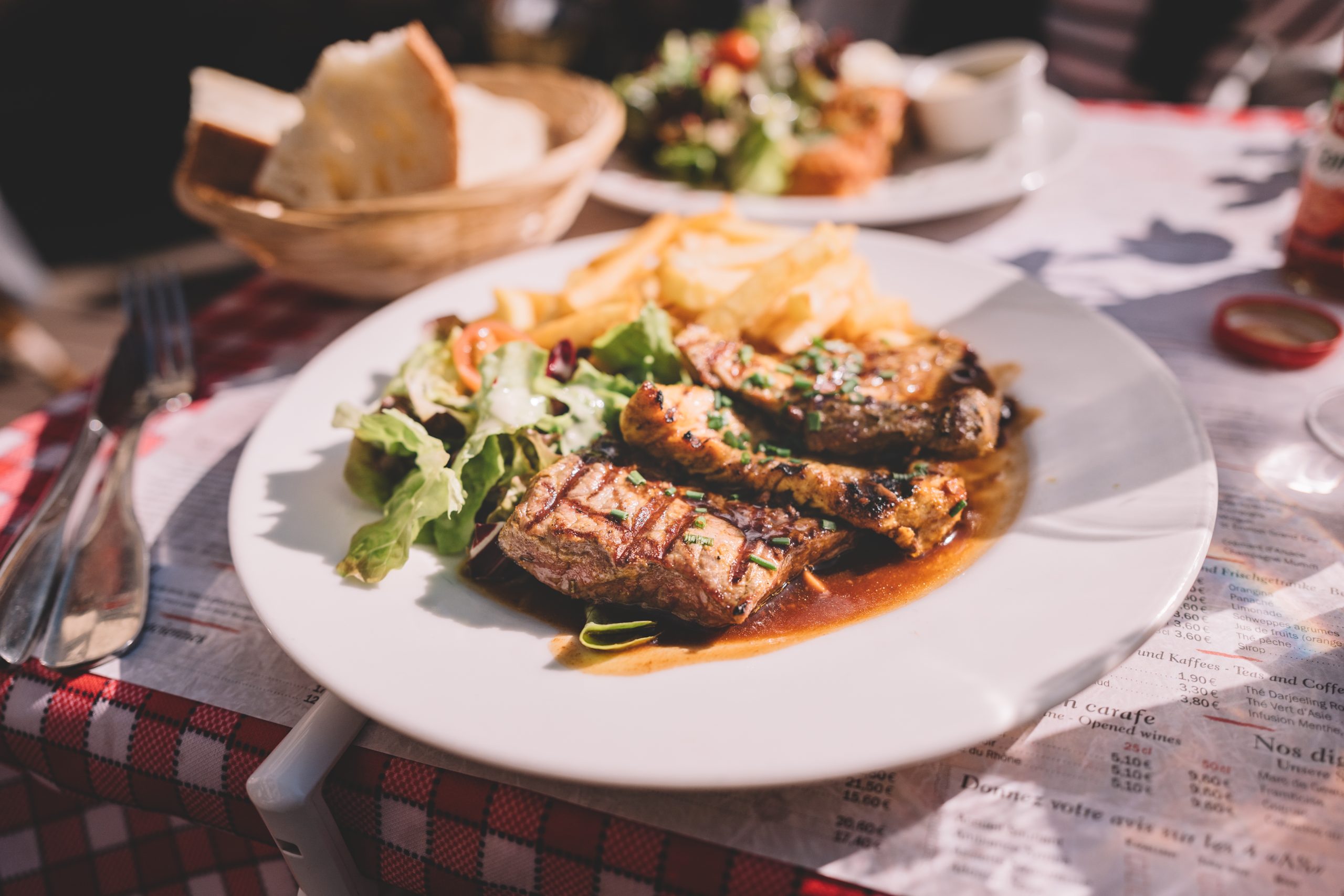
France’s most unforgettable dishes aren’t always found in fancy Parisian bistros. The real treasures are tucked away in coastal towns, mountain hamlets, and rural villages where recipes were passed down long before France became the world’s culinary star.
Here are 10 truly local specialties, what makes them special, how they taste, and exactly where to try them for the most authentic experience.
🇫🇷 1. Kig ha Farz — Brittany
The Breton comfort dish you never knew existed.
What It Is: A hearty stew of pork, carrots, leeks, and cabbage, served with two types of farz cooked in cloth bags inside the broth:
- Farz noir (buckwheat) — dense, earthy, slightly nutty.
- Farz blanc (wheat) — softer, almost pudding-like.
The farz is crumbled into the broth, creating a comforting, rustic meal.
Flavor Profile: Savory, slightly smoky from the pork, rich without being heavy, with an irresistible buckwheat aroma.
Best Enjoyed: In a small Breton inn on a stormy night, ideally near the coast where the wind makes it taste even better.
Why It’s Special: It’s the ultimate Breton family dish—never flashy, always soulful.
🇫🇷 2. Poulet au Vinaigre — Lyon
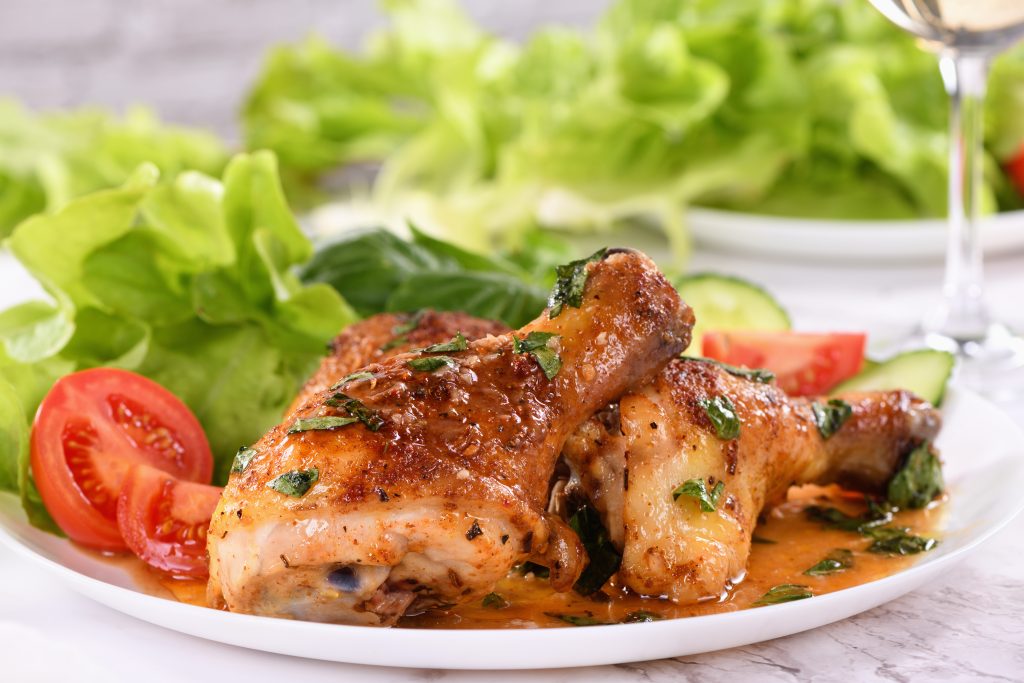
An old-school French recipe with a bright, modern twist.
What It Is: Chicken sautéed and simmered in a reduction of red or white vinegar, butter, cream, shallots, and white wine.
Flavor Profile: Tangy, buttery, rich but surprisingly lively. Think coq au vin meets sweet-and-sour—but French and elegant.
Best Enjoyed: In a tiny Lyonnais bouchon, where the tables are close and the atmosphere feels straight out of another era.
Why It’s Special: It’s one of Paul Bocuse’s favorite classical recipes and a symbol of Lyon’s gastronomic tradition.
🇫🇷 3. Crespeou — Provence
The prettiest omelet you’ll ever slice.
What It Is: A multilayered omelet “cake” made with different vegetables and herbs in each layer—spinach, tomatoes, peppers, basil, parsley…
Flavor Profile: Fresh, aromatic, summery. Served cold or room temperature, it’s perfect in the heat of Provence.
Best Enjoyed: On a picnic blanket with ingredients bought directly from a Provençal market.
Why It’s Special: It looks like a rainbow, tastes like a garden, and captures the sunny spirit of the South.
🇫🇷 4. Truffade — Auvergne
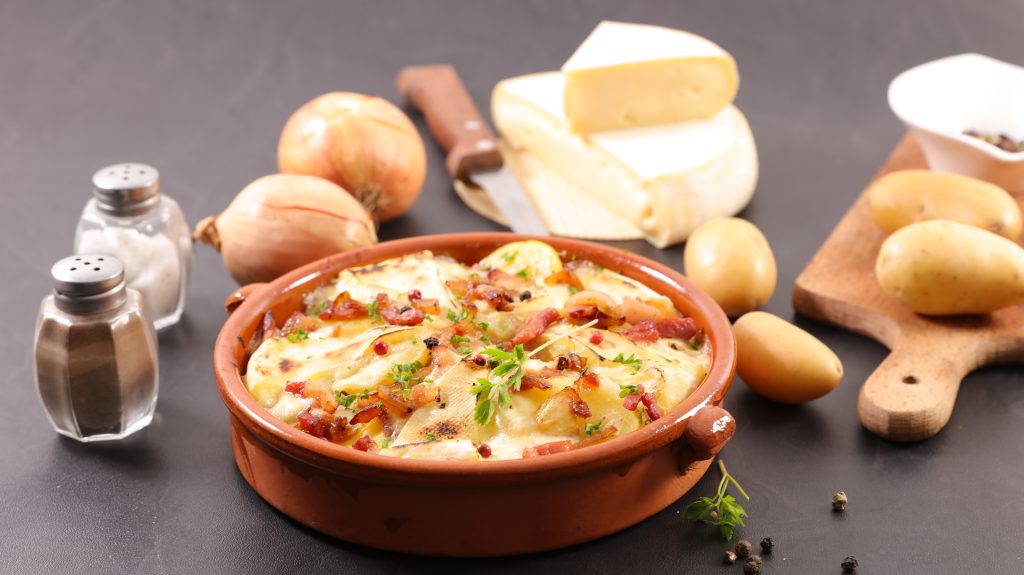
Pure, molten, cheesy happiness.
What It Is: A skillet of sliced potatoes sautéed with garlic, duck fat, and Tome fraîche, melted until it forms long, stretchy strands.
Flavor Profile: Savory, buttery, indulgent, and wonderfully “mountainy.”
Best Enjoyed: After a hike in the volcanic mountains of Auvergne.
Why It’s Special: Like tartiflette’s rustic cousin—but cheesier and even more comforting.
🇫🇷 5. Rillettes de Tours — Loire Valley
The Loire Valley’s silky answer to pâté.
What It Is: Pork slowly cooked for hours until it becomes perfectly shredded, tender, and spreadable—seasoned only with salt, pepper, and a hint of wine.
Flavor Profile: Rich but refined, subtly smoky, with a delicate pork flavor that melts on the tongue.
Best Enjoyed: Spread generously on a fresh baguette with a glass of Loire rosé.
Why It’s Special: It’s much lighter than the famous rillettes du Mans—almost airy.
🇫🇷 6. Fiadone — Corsica
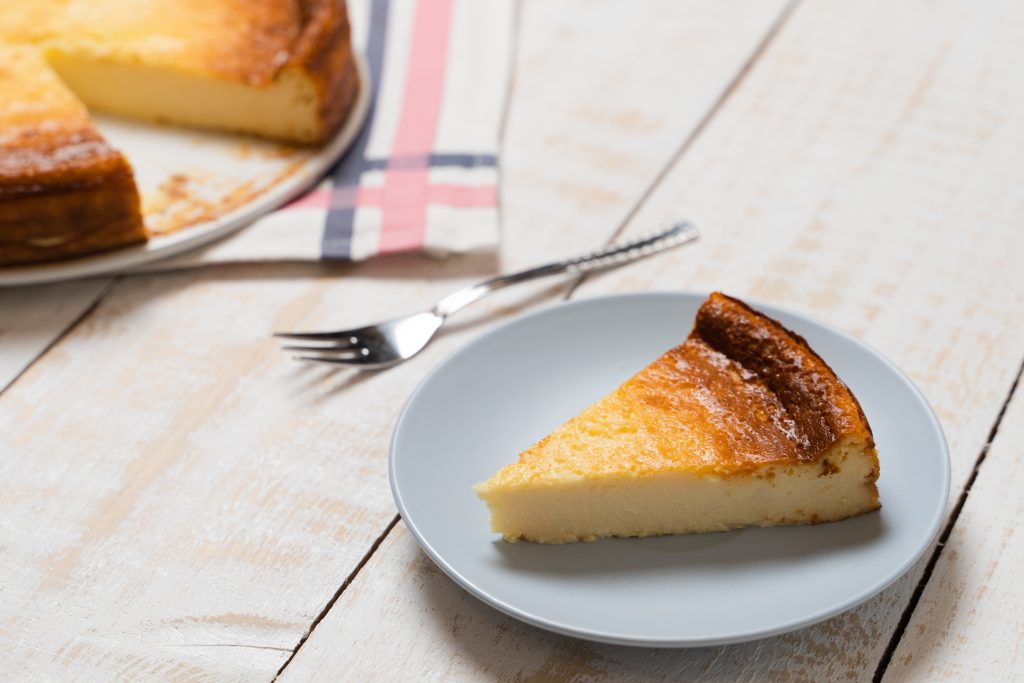
Corsica’s lemon-scented island cheesecake.
What It Is: A baked cheesecake made with brocciu, Corsica’s iconic fresh cheese, plus eggs, sugar, and abundant lemon zest.
Flavor Profile: Bright, citrusy, slightly tangy, and wonderfully light.
Best Enjoyed: In a seaside restaurant after a meal of grilled fish or charcuterie.
Why It’s Special: It tastes like sunshine and sea breezes—Corsica on a plate.
🇫🇷 7. Caillettes — Drôme & Ardèche
Rustic, herbal, and surprisingly elegant.
What It Is: Meatballs made with pork and a huge amount of greens (spinach, chard, herbs), wrapped in caul fat and roasted.
Flavor Profile: Savory, delicate, aromatic—like a French countryside version of Italian polpette.
Best Enjoyed: From a local bakery, eaten warm on the go.
Why It’s Special: It’s a perfect example of resourceful rural cooking—simple ingredients turned into magic.
🇫🇷 8. Potjevleesch — French Flanders
The quirky Flemish dish you’ll be glad you tried.
What It Is: A cold terrine made of chicken, rabbit, pork, and veal set in a tangy gelatin flavored with vinegar and spices.
Flavor Profile: Bright, vinegary, refreshing, with tender meat that falls apart.
Best Enjoyed: With a pile of hot, crispy fries (yes, they serve fries with it!).
Why It’s Special: It blends French and Flemish culinary traditions—unique, rustic, and memorable.
🇫🇷 9. Tourment d’Amour — Îles des Saintes
One of France’s sweetest island secrets.
What It Is: A round coconut-filled tart topped with jam (usually guava, passion fruit, or pineapple), originally baked by fishermen’s wives.
Flavor Profile: Tropical, soft, sweet, with a caramelized edge.
Best Enjoyed: On a Caribbean beach—or anywhere you want to feel like you’re on one.
Why It’s Special: Every family in Les Saintes has its own version. It’s a dessert with a story.
🇫🇷 10. Kouign-amann (The Real Version) — Brittany
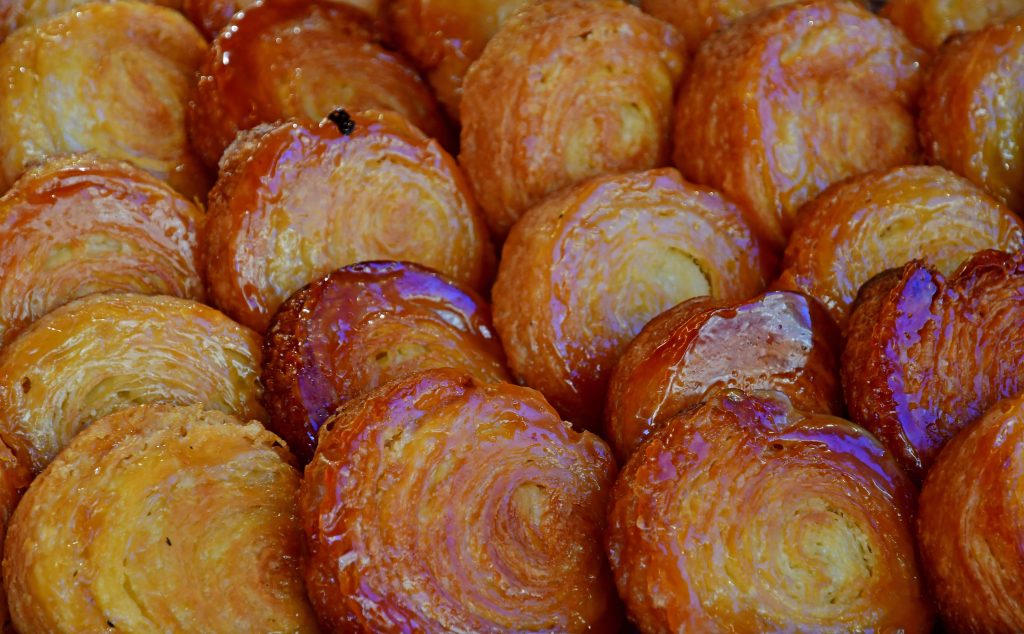
Forget the Paris version. This is the real deal.
What It Is: Layers of dough, salted butter, and sugar baked until caramelized and almost crunchy.
Flavor Profile: Salty-sweet, buttery, deeply caramelized, and much denser than what you’ll find in Paris.
Best Enjoyed: Hot from a Breton bakery before 10 a.m., when it’s at peak flakiness.
Why It’s Special: The true Kouign-amann is a masterpiece of Breton pastry—even locals plan their mornings around it.
✨ Why These Regional Dishes Matter
These dishes tell the story of France through:
✔️ Local ingredients — grown, gathered, or produced in the region, often with centuries-old know-how. ✔️ Rural traditions — recipes created by farmers, shepherds, and villagers long before modern French cuisine existed. ✔️ Culinary identity — each dish reflects a region’s climate, history, and personality, from the mountains to the coastline. ✔️ Family recipes older than the French Republic — passed down from grandmothers and great-grandmothers, unchanged because they’re already perfect.
Eating them isn’t just a meal—it’s like traveling through time and tasting the real, unpolished, authentic France.
