
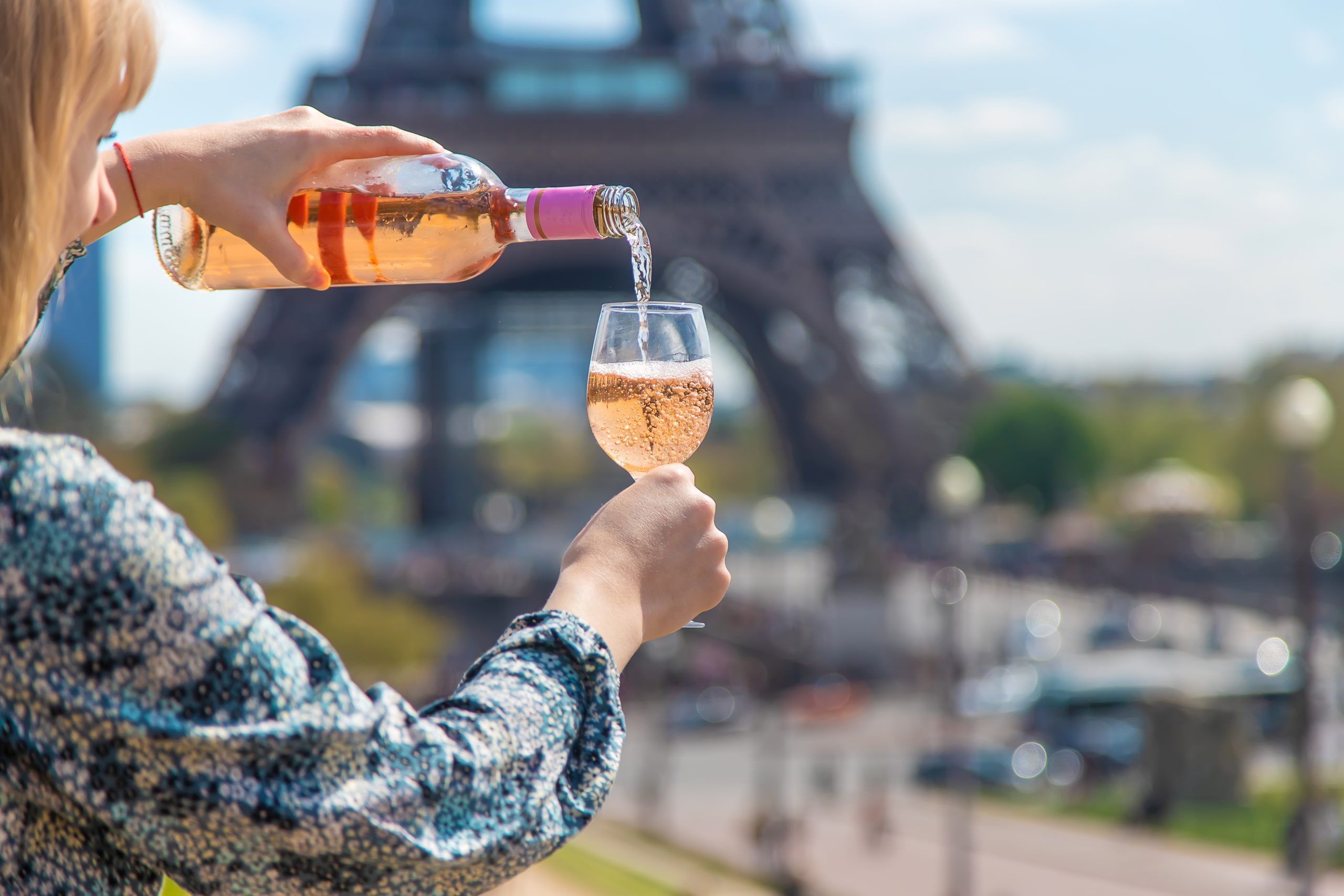
How to enjoy the most effortless (and delicious) French ritual.
If there’s one French tradition that feels instantly magical—and surprisingly easy to adopt—it’s the apéritif. More than a drink, it’s a moment. A pause. A little slice of “la vie française” that happens before dinner, where the goal is simple: slow down, share something tasty, and enjoy good company.
Whether you’re traveling in France or recreating the experience at home, here’s your beginner-friendly guide to understanding (and mastering) the French apéro.
🍷 What Exactly Is an Apéritif?
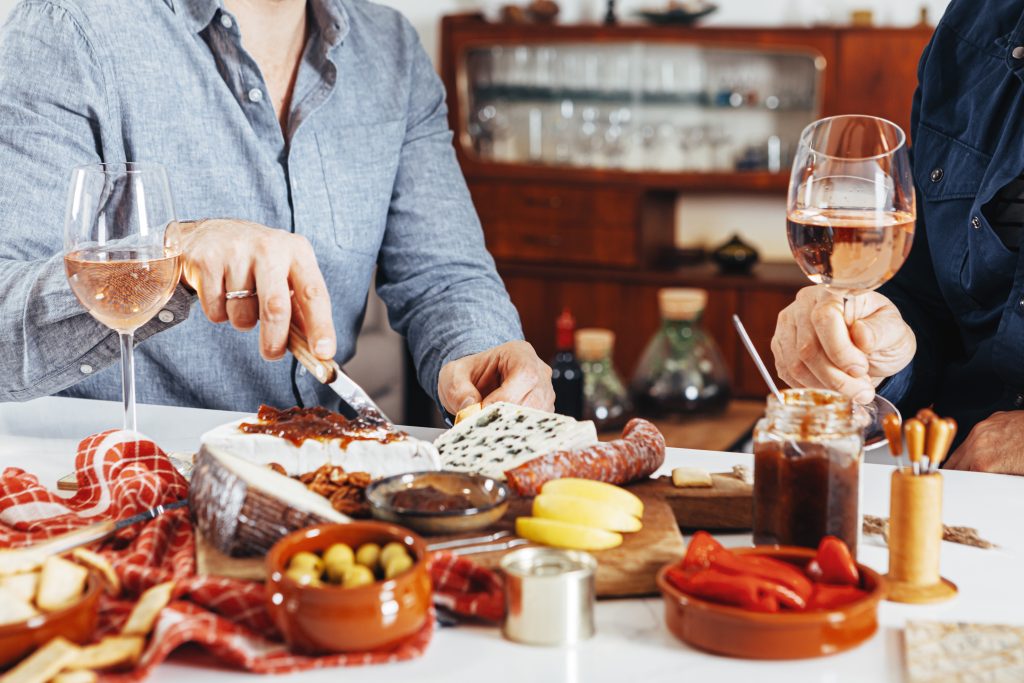
The French apéritif is a daily little ritual that marks the transition between work and the evening, more about slowing down and connecting than about drinking.
Timing and atmosphere
- It usually takes place at the end of the day, roughly between 6 p.m. and 8 p.m., sometimes stretching a bit later depending on dinner time.
- The goal is to pause, chat, and relax with friends or family, often at home or on a terrace, before moving on to the main meal.
What it includes
- A light drink: this can be a glass of wine, champagne, pastis, vermouth, a kir, or even a non‑alcoholic drink like a juice or diabolo for children.
- Simple snacks: olives, chips, nuts, charcuterie, cheese, crudités, or small tartines; the idea is to nibble, not to replace dinner.
- A relaxed vibe: people stand or sit around a coffee table, talk about their day, joke, and take their time—the apéritif “opens” both the appetite and the conversation.
In short, it is the warm‑up before dinner: light, convivial, and unhurried, a key part of French social life rather than a heavy or noisy “happy hour.”
🥂 The Classic French Apéritif Drinks
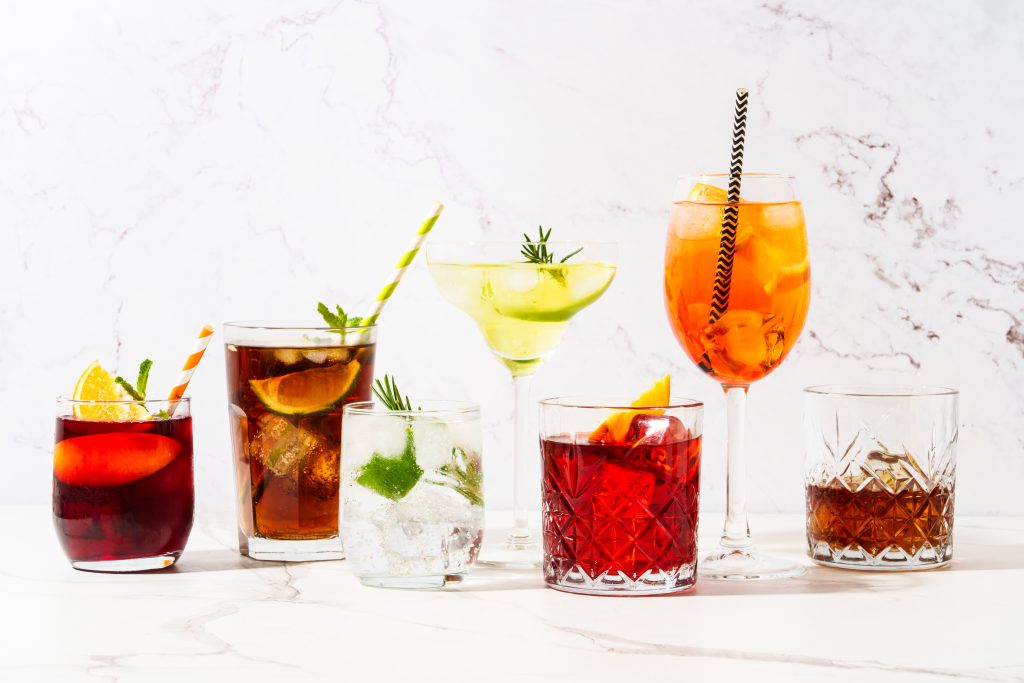
Here’s a slightly more detailed, warm explanation of each drink, keeping the same structure.
Kir
A classic French apéritif made with dry white wine and crème de cassis (blackcurrant liqueur). It’s lightly sweet, fruity, low in alcohol compared to cocktails, and very easy to drink—perfect if you want something gentle and very traditional.
Pastis
An anise‑flavoured spirit from the south of France, especially Provence, usually served with lots of cold water and ice. When you add water, it turns a cloudy, milky yellow and releases strong aromas of licorice and herbs, making it refreshing in hot weather and very “old‑school French bar” in style.
Champagne or Crémant
Champagne is sparkling wine made in the Champagne region, while crémant is a more affordable French sparkling wine made in other regions. Both are crisp, bubbly, and festive, ideal for celebrations or whenever you want your apéritif to feel a bit special and elegant.
Vermouth
A fortified, aromatized wine (white or red) infused with herbs, spices, and citrus peels, usually served on ice with a slice of orange or lemon. It’s slightly bitter, slightly sweet, very aromatic, and feels sophisticated while staying light enough for a pre‑dinner drink.
Lillet
A French apéritif wine from the Bordeaux area, made from white wine blended with citrus liqueurs and aged in oak. Lillet Blanc is the most popular: smooth, with notes of honey, orange peel and a touch of bitterness, delicious served very cold, plain over ice, or with a slice of orange.
Non‑alcoholic options
A diabolo is a classic café drink: syrup (often lemon, mint or strawberry) topped with sparkling water or lemonade—sweet, fizzy, and fun, especially for younger people or anyone avoiding alcohol. You can also order an orange juice or another fruit juice “pressé”, which means freshly squeezed and served immediately, light and refreshing before dinner.
🧀 What You’ll Find on a Typical Apéro Table
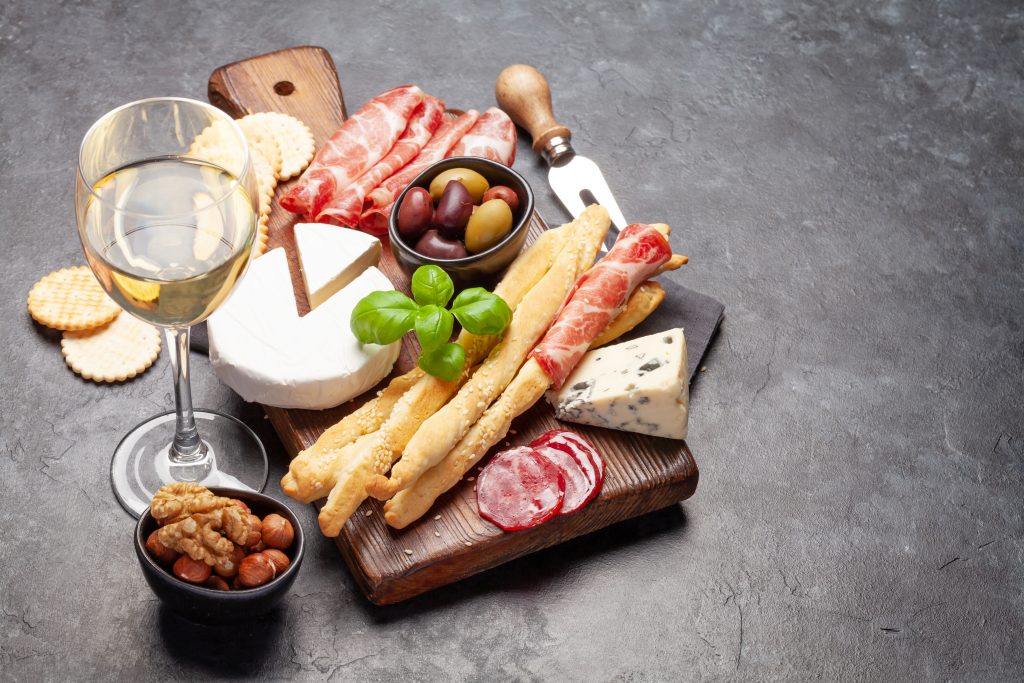
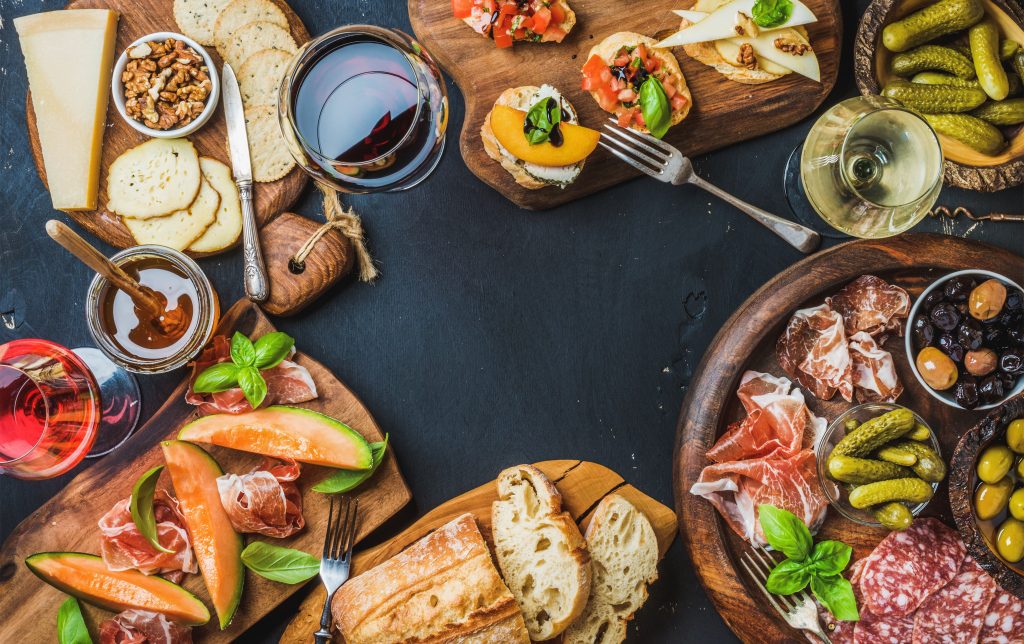
The beauty of the apéro is its simplicity. You don’t need a full spread. Most French people set out just a few essentials:
- Olives (the unofficial mascot of apéritif culture)
- Charcuterie (saucisson, jambon cru)
- Cheese (always a hit, always welcome)
- Bread or crackers
- Tapenade or rillettes
- Chips or peanuts
A true French apéro is effortless. It’s not about perfection—it’s about pleasure.
🍽 Apéritif vs. Apéro Dînatoire: What’s the Difference?
In France, apéritif and apéro dînatoire describe two different levels of the same ritual: one is a short warm‑up, the other replaces dinner.
Apéritif: a light pre-dinner pause
- The apéritif is a brief moment before a proper meal, usually 30–60 minutes, with drinks and a few small nibbles (olives, chips, a bit of charcuterie).
- You always know that a real sit‑down dinner is coming afterward: the food is intentionally light so you still have an appetite for the main meal.
Apéro dînatoire: when the apéro becomes dinner
- An apéro dînatoire is a hybrid between apéritif and dinner: you stay in the living room, eat only small plates and finger food, but in enough quantity to count as the whole meal.
- The table is covered with more substantial dishes: cheeses and charcuterie boards, salads, tartines, mini quiches, verrines, savory tarts, sometimes a few sweet bites. You graze all evening instead of sitting for a formal three‑course dinner.
So: if someone invites you for an apéritif, expect a drink and a few snacks before dinner; if they say apéro dînatoire, it means “come hungry, this is the dinner—just in a very casual, snack‑style French way.”
🇫🇷 Apéritif Etiquette (That Locals Don’t Realize They Follow)
Want to blend in? Keep these in mind:
- Never pour your own drink first. Offer to others, then yourself.
- Sip slowly—apéro is not rushed.
- Don’t arrive early if invited. Five minutes late is perfect.
- Always bring something. Wine, olives, cheese, or flowers.
- Keep the conversation light. It’s a joyful moment, not a debate.
✨ How to Recreate the Perfect Apéro at Home
You don’t need fancy ingredients. Just follow this formula:
1 drink + 3 small snacks + good lighting + good company
Examples:
- Kir + olives + saucisson + baguette
- Crémant + cheese + grapes + crackers
- Lillet + tapenade + cherry tomatoes + chips
Add soft music and dim lights—and suddenly you’re in France.
📌 Why the Apéritif Belongs in Your French Travel Experience
If you want to feel truly immersed in French culture, skip the fancy restaurant and head to a terrace at 7 p.m. Order a kir, a pastis, or a glass of bubbly. Watch the streets come alive. This moment—simple, social, and delicious—is one of the most authentic experiences France has to offer.
