
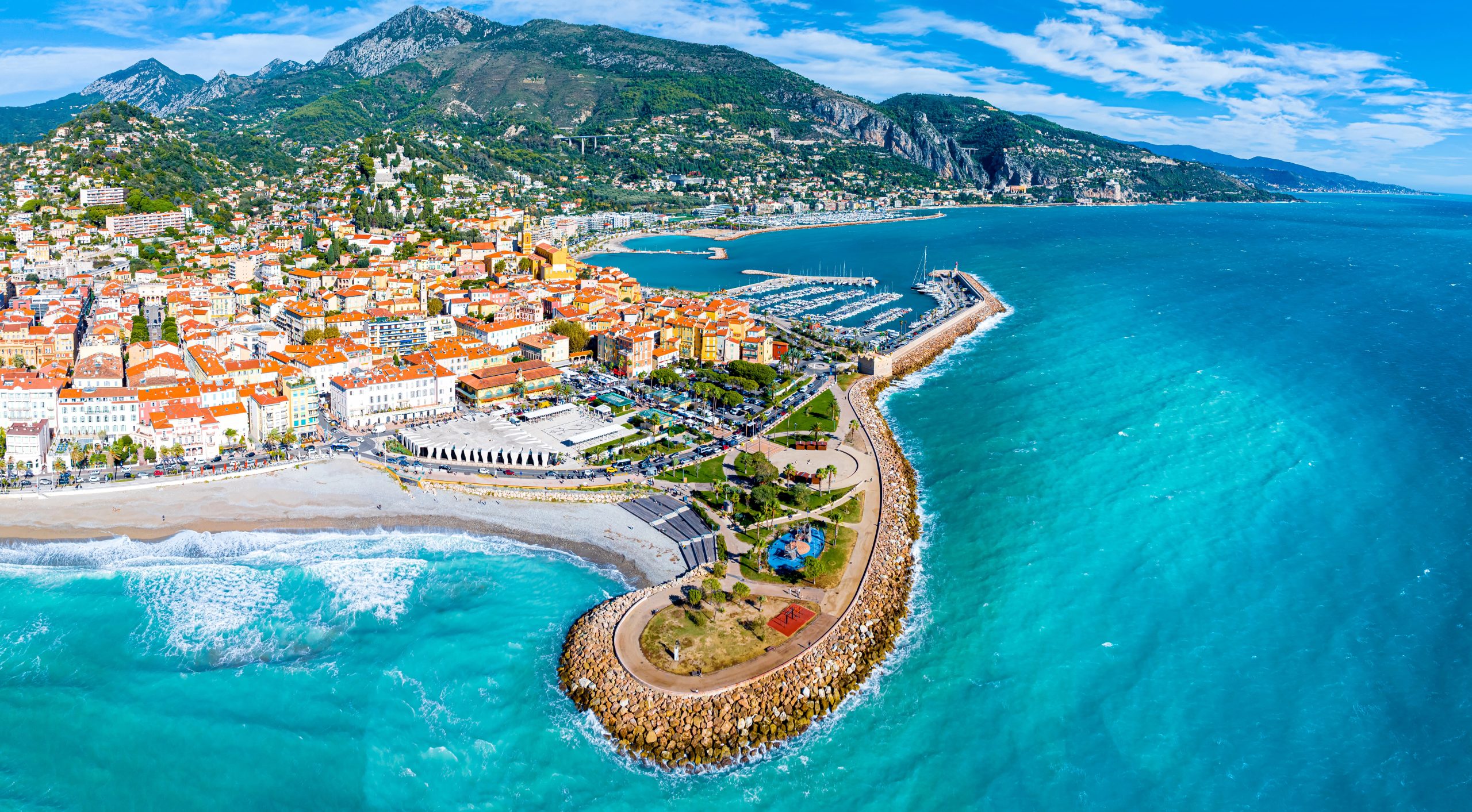
The most beautiful French beaches aren’t the ones everyone knows about.
When people think of French beaches, they picture the French Riviera — crowded stretches of sand in Nice and Cannes where you pay €30 for a beach chair and fight for space with thousands of other tourists.
But France has over 5,000 kilometers of coastline stretching from the Belgian border to Spain, from the Atlantic to the Mediterranean. Hidden among this vast shoreline are secret coves, wild beaches, and pristine stretches of sand that most travelers never find.
These hidden beaches offer crystal-clear water, dramatic landscapes, and the rare luxury of space — places where you can actually hear the waves instead of other people’s conversations.
Here are France’s best hidden beaches — the ones locals try to keep secret.
🏖️ Plage de Saleccia, Corsica
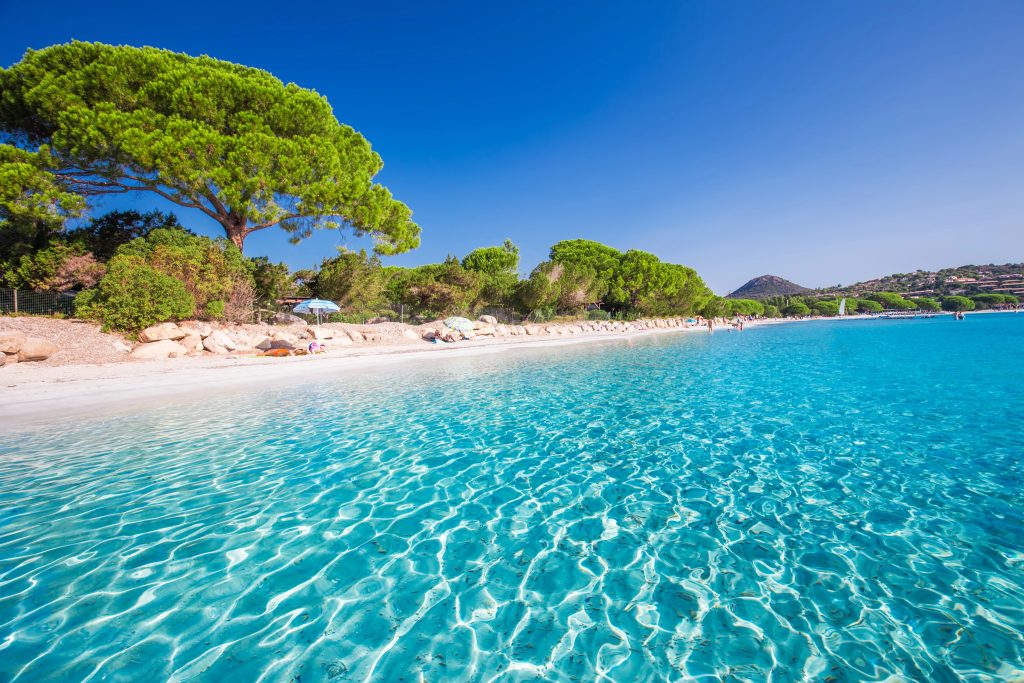
Where: Northern Corsica, near Saint-Florent Access: 4WD track or boat only Why it’s hidden: No road access
The Beach
Saleccia is what Caribbean beaches look like in your dreams — 1 kilometer of white sand, turquoise water so clear you can see fish from the shore, and a backdrop of wild maquis (Mediterranean scrubland) and mountains.
This is one of Corsica’s most beautiful beaches, yet it remains relatively empty because getting there requires effort. No hotels, no beach clubs, no restaurants — just pristine nature.
How to Get There
By boat: Daily shuttles from Saint-Florent (€25 round trip, 30 minutes). The boat drops you off and picks you up later.
By 4WD: Rough 12 km track from Casta (requires serious 4WD vehicle, not recommended for rental cars). The drive takes 45 minutes of bone-rattling off-road driving.
By foot: 3-hour hike from Casta through the maquis (bring lots of water).
What to Bring
Everything you need for the day — water, food, sun protection, umbrella for shade. There are no facilities except basic toilets. The nearest restaurant is a 30-minute boat ride away.
Best Time
June or September — warm water, fewer boats. July–August gets crowded by Corsican standards (still far less than mainland beaches).
🌊 Plage de Petit Sperone, Corsica
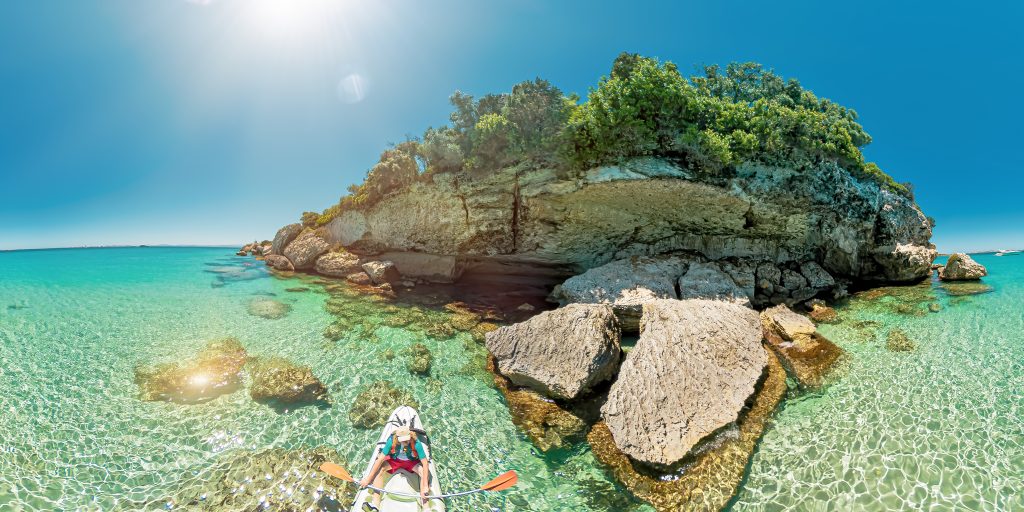
Where: Southern Corsica, near Bonifacio Access: Rough dirt road Why it’s hidden: Difficult access, overshadowed by nearby Palombaggia
The Beach
A small crescent of white sand with granite boulders framing turquoise water. The beach faces the Lavezzi Islands, creating a protected bay with calm, crystal-clear water perfect for snorkeling.
Petit Sperone is Corsica’s secret alternative to the famous (and crowded) Palombaggia and Santa Giulia beaches. Same stunning beauty, fraction of the people.
How to Get There
From Bonifacio, follow signs toward Sperone Golf Course. Past the golf course, a rough dirt road (passable in regular cars, but slowly) leads to a small parking area. Walk 5 minutes down a path to the beach.
What to Know
No facilities — bring everything you need Snorkeling — excellent around the granite rocks Parking — limited spaces, arrive early in summer Combine with — visit nearby Bonifacio’s dramatic cliff-top old town
🏝️ Plage de l’Estagnol, Côte d’Azur
Where: Bormes-les-Mimosas, between Hyères and Saint-Tropez Access: Short walk from parking Why it’s hidden: Off the main coastal road, locals-only vibe
The Beach
A sheltered cove with golden sand and clear water, backed by pine-covered hills. The beach curves into a protected bay, making it perfect for families and swimmers.
Unlike the famous Riviera beaches, l’Estagnol feels like a neighborhood beach where locals come to swim and relax — no beach clubs, no jet skis, no crowds of tourists.
How to Get There
From Bormes-les-Mimosas, follow signs to Plage de l’Estagnol. Park in the lot (free off-season, paid in summer) and walk 5 minutes down a path through pine trees to the beach.
What to Know
Small beach restaurant — serves simple food and drinks Snorkeling — good around the rocky edges Best time — early morning or late afternoon in summer Nearby — explore beautiful Bormes-les-Mimosas village on the hillside
🌅 Plage de Pinia, Corsica
Where: Eastern Corsica, near Ghisonaccia Access: Easy — paved road and parking Why it’s hidden: East coast is less visited than west
The Beach
5 kilometers of pristine sand backed by a pine forest and lagoon. The beach is wide, wild, and wonderfully empty even in summer. The water is clear and shallow for a long way out, perfect for swimming.
Pinia feels like a deserted tropical beach — just sand, sea, and forest. No development, no buildings visible, just nature.
How to Get There
From Ghisonaccia, follow signs to Plage de Pinia. Paved road leads to several parking areas along the beach. Choose your spot and walk through the pine forest to the sand.
What to Know
No facilities — completely wild beach, bring supplies Shade — pine trees provide natural shade Camping — several campsites nearby in the forest Wind — can be windy (good for kitesurfing) Best for — people who want space and solitude
🏖️ Plage de la Palud, Port-Cros Island
Where: Port-Cros Island (Îles d’Hyères), off the Côte d’Azur Access: Ferry + 20-minute walk Why it’s hidden: Island location, requires hiking
The Beach
A small pebble beach in a protected cove within a national park. The water is incredibly clear — this is one of France’s best snorkeling spots with underwater trails marked with plaques identifying marine life.
Port-Cros Island is car-free and largely undeveloped, making it feel like stepping back in time to a wilder Mediterranean.
How to Get There
Take a ferry from Hyères, Le Lavandou, or Cavalaire to Port-Cros (€30–40 round trip, 30–60 minutes depending on departure point).
From the port, hike 20 minutes on a marked trail through Mediterranean forest to Plage de la Palud.
What to Know
Snorkeling paradise — underwater trail with marked points of interest Bring snorkel gear — or rent at the port No facilities — pack food and water Day trip — last ferries leave late afternoon, check schedules Combine with — hiking trails across the island
🌊 Plage de Bonne Terrasse, Brittany
Where: Perros-Guirec, Pink Granite Coast Access: Short walk from parking Why it’s hidden: Overshadowed by nearby Ploumanac’h
The Beach
A beautiful sandy beach surrounded by pink granite boulders — massive rounded rocks in shades of rose, orange, and pink. The contrast between the pink rocks, white sand, and blue-green Atlantic is stunning.
This beach is less famous than nearby Ploumanac’h but equally beautiful with fewer crowds.
How to Get There
From Perros-Guirec, follow coastal signs to Plage de Bonne Terrasse. Small parking area, then a 5-minute walk down to the beach.
What to Know
Tides — beach size changes dramatically with tides, check tide tables Rock pools — explore at low tide Coastal path — connects to the famous GR34 coastal trail Best time — late afternoon for golden light on pink rocks Nearby — visit Ploumanac’h lighthouse and coastal trail
🏝️ Plage de Gigaro, Côte d’Azur
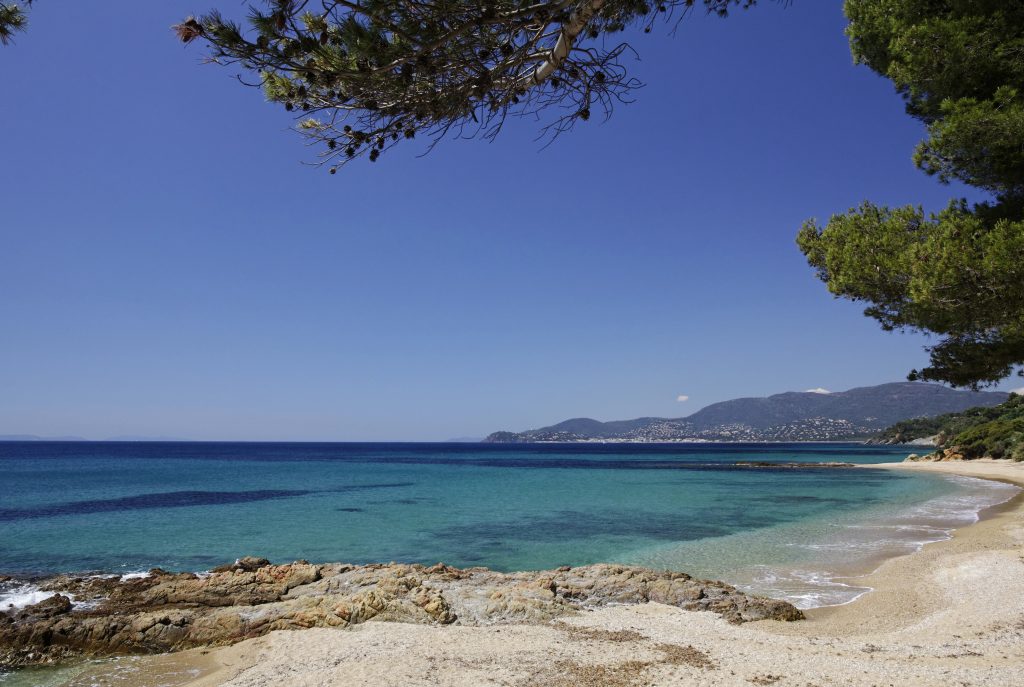
Where: La Croix-Valmer, between Saint-Tropez and Cavalaire Access: Easy — parking and short walk Why it’s hidden: End of a peninsula, off the main route
The Beach
A long sandy beach with clear water at the tip of the Cap Lardier peninsula. The beach is backed by vineyards and pine forests, with views across the bay to Saint-Tropez.
The eastern end of the beach is quieter and more natural. A coastal trail leads to even more secluded coves.
How to Get There
From La Croix-Valmer, follow signs to Plage de Gigaro. Large parking area (paid in summer), then walk 5 minutes to the beach.
What to Know
Beach restaurant — serves lunch and drinks Coastal trail — hike to Cap Lardier for spectacular views and hidden coves Snorkeling — good around the rocky areas Best time — weekdays in June or September Parking — fills up by 10 AM in summer
🌅 Plage de Bodri, Corsica
Where: Near Île-Rousse, northern Corsica Access: Short walk from parking Why it’s hidden: Locals’ secret near a popular town
The Beach
A wild, windswept beach with reddish sand and dramatic rock formations. The beach curves into a bay with clear water and a backdrop of maquis-covered hills.
Bodri is where locals from Île-Rousse come to escape the town beaches. It feels remote despite being close to civilization.
How to Get There
From Île-Rousse, take the D63 toward Bodri. Small parking area, then walk 10 minutes down a path to the beach.
What to Know
No facilities — completely natural Can be windy — brings cooler temperatures in summer Sunset — west-facing, beautiful for evening visits Combine with — explore Île-Rousse’s old town and market
🏖️ Plage de Tahiti, Saint-Tropez Peninsula
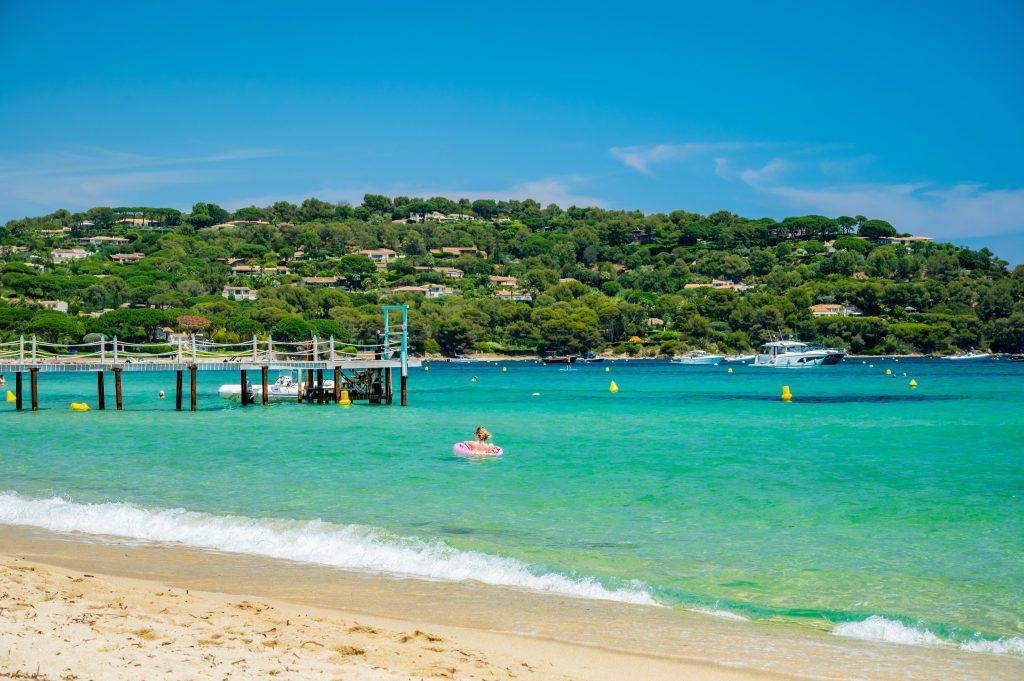
Where: Ramatuelle, near Saint-Tropez Access: Easy — parking and short walk Why it’s hidden: Despite the name, it’s less famous than Pampelonne
The Beach
A beautiful sandy beach with clear water that’s surprisingly uncrowded considering its proximity to Saint-Tropez. The beach has a relaxed, bohemian vibe with a few low-key beach restaurants.
This is the quieter, more authentic alternative to the famous (and expensive) Pampelonne beach clubs.
How to Get There
From Ramatuelle, follow signs to Plage de Tahiti. Parking available (paid in summer), short walk to the beach.
What to Know
Beach restaurants — casual, more affordable than Pampelonne clubs Good swimming — gentle slope, clear water Less crowded — especially the southern end Best time — early morning or late afternoon Nearby — explore beautiful Ramatuelle village
🌊 Plage de Kervillen, Brittany
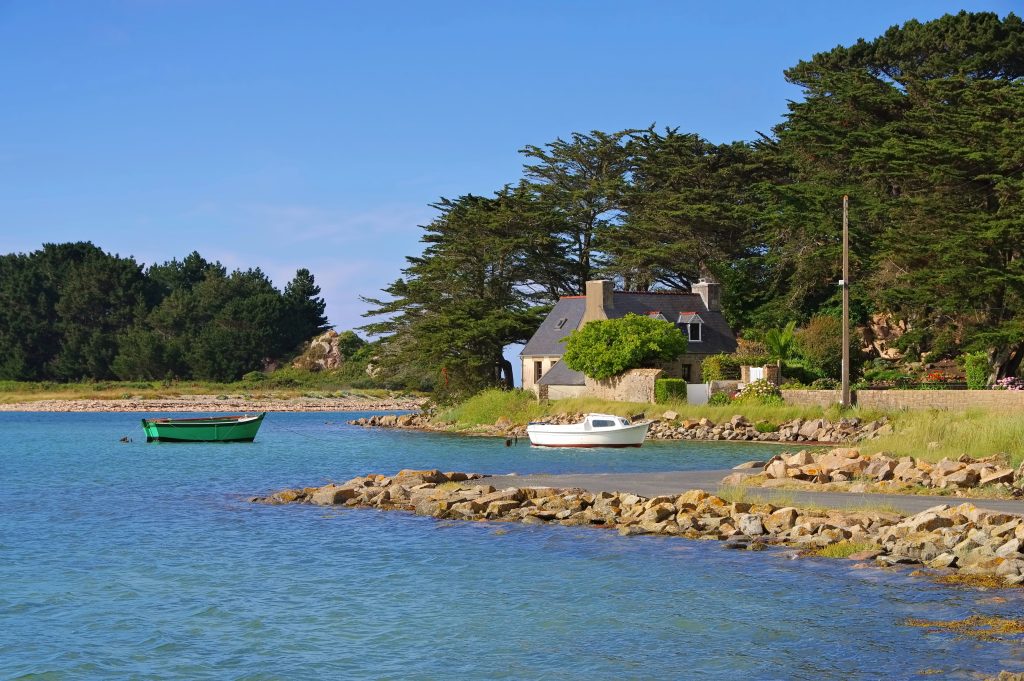
Where: Damgan, southern Brittany Access: Easy — parking and short walk Why it’s hidden: Southern Brittany is less visited than northern coast
The Beach
A long, wild beach with fine sand and dunes. The beach faces south across the Bay of Vilaine, making it sunnier and more sheltered than northern Brittany beaches.
At low tide, the beach extends far out, revealing tide pools and sandbars perfect for exploring.
How to Get There
From Damgan, follow signs to Plage de Kervillen. Parking area, then walk through dunes to the beach.
What to Know
Tides — dramatic tidal range, beach transforms at low tide Tide pools — explore at low tide Dunes — protected area, stay on marked paths Best time — summer for warmest water Family-friendly — shallow water, gentle waves
🏝️ Tips for Finding Hidden Beaches
Research
Use Google Earth — zoom in on coastlines to spot beaches without development Ask locals — hotel staff and restaurant owners know secret spots Avoid August — even hidden beaches get busier during French vacation month Check access — some “hidden” beaches require boats or long hikes
What to Bring
Always pack: Water, food, sun protection, umbrella or tent for shade Hidden beaches = no facilities: Bring everything you need Snorkel gear: Many hidden beaches have excellent snorkeling Trash bags: Pack out everything you bring in
Safety
Check tides: Essential for Atlantic and Channel beaches Lifeguards: Hidden beaches rarely have them — swim carefully Tell someone: Share your plans if hiking to remote beaches Weather: Check forecasts, especially for boat access beaches
Best Time to Visit
June or September: Warm water, fewer crowds, lower prices Avoid July–August: Peak season, even hidden beaches get busier Weekdays: Always quieter than weekends Early morning: Best for photography and having beaches to yourself
The Bottom Line
France’s hidden beaches prove that the best experiences often require a bit of effort — a rough road, a boat ride, a hike through the forest.
These beaches offer something the famous ones can’t: space, tranquility, and the feeling of discovery. You won’t find beach clubs or jet skis. You will find clear water, beautiful landscapes, and room to breathe.
The French Riviera’s famous beaches have their place. But if you want to experience the Mediterranean or Atlantic at their most beautiful and peaceful, seek out the hidden beaches where locals go.
Ready to find your own secret slice of French coastline? These hidden beaches are waiting — and they’re more beautiful than the famous ones.
