
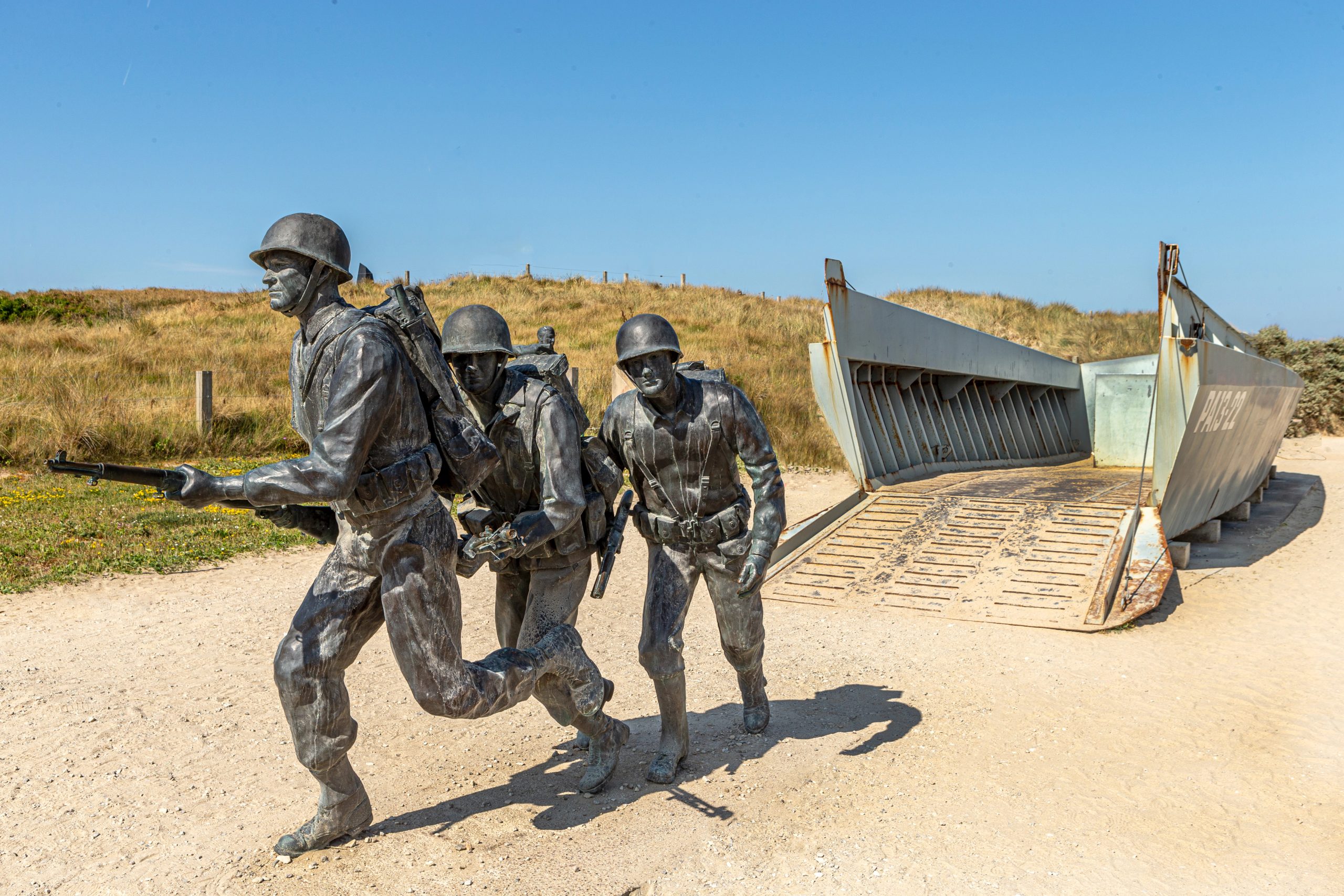
Exploring Normandy’s History With Care, Context, and Reflection
The D-Day landing sites in Normandy are not just beautiful coastal landscapes. They are also some of the most important historical places in modern Europe.
On June 6, 1944, Allied forces landed on these beaches during the Second World War, marking a turning point in the liberation of Western Europe. Today, visitors come to walk the sands, visit museums, and reflect on the scale of what happened here.
If you’re planning a visit, it helps to know both where to go and how to experience these places respectfully.
🌊 1. Omaha Beach — The Most Powerful Site
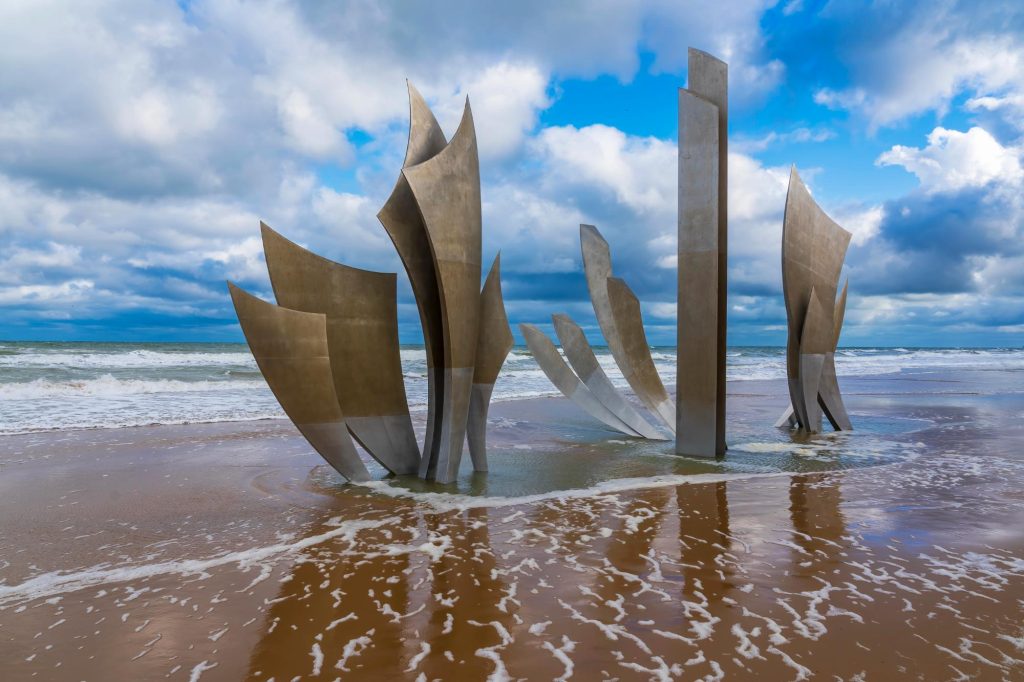
Omaha Beach
Omaha Beach is often the most emotionally impactful stop.
Why it matters:
- one of the bloodiest landing sites on D-Day
- heavy American casualties
- dramatic cliffs overlooking the shore
What to experience:
- the vast, quiet beach at low tide
- nearby memorials and monuments
- the atmosphere of reflection rather than spectacle
The scale of the place becomes more meaningful when you stand there in silence.
🇺🇸 2. Utah Beach — Wide, Quiet, and Reflective
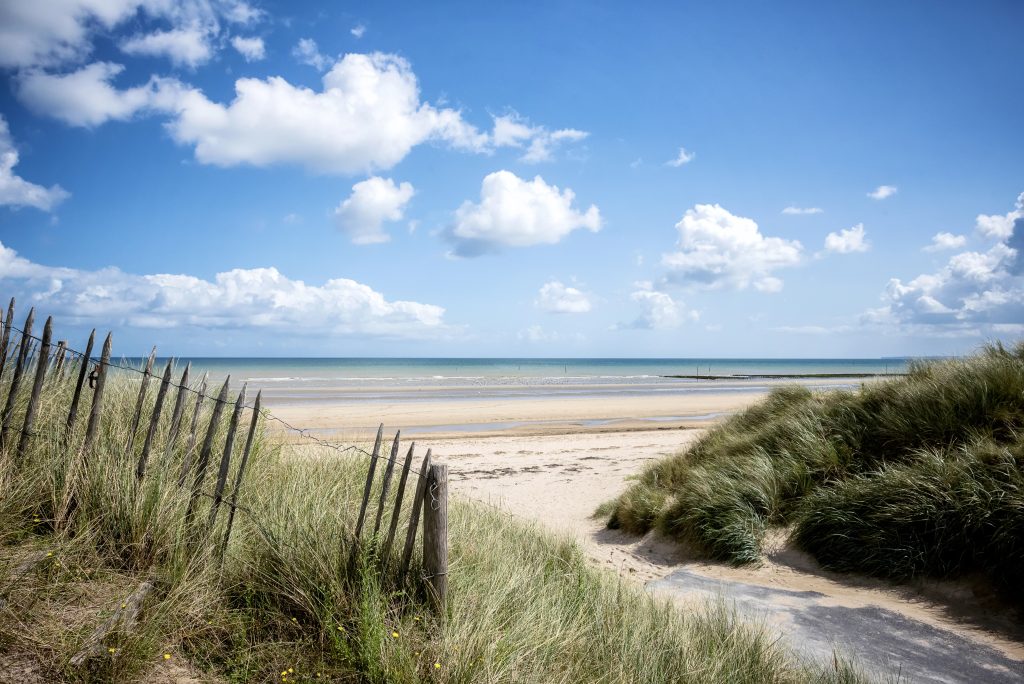
Utah Beach
Utah Beach is more open and less rugged than Omaha.
What makes it unique:
- relatively successful landing site
- wide dunes and long shoreline
- quieter visitor experience
Good to know:
The nearby museum helps explain the landing operations in detail.
🇬🇧 3. Gold Beach — British Landing Sector
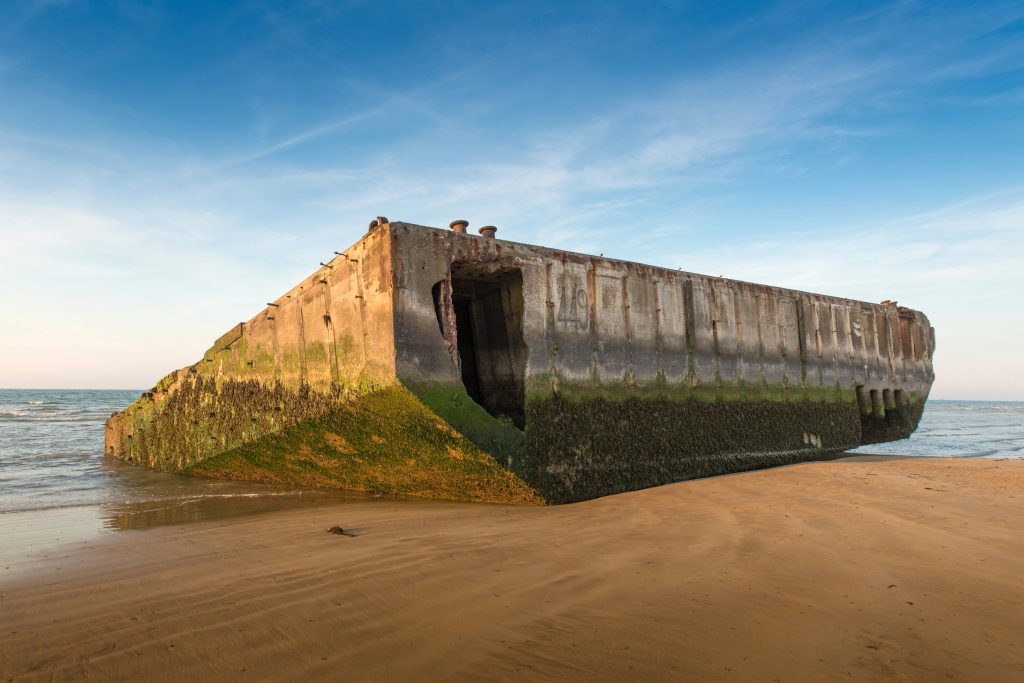
Gold Beach
Gold Beach was assigned to British forces and includes one of the most fascinating engineering stories of the war.
Highlights:
- remains of the Mulberry Harbour at Arromanches
- small museums in coastal towns
- scenic seaside villages nearby
It combines history with a peaceful coastal atmosphere.
🇨🇦 4. Juno Beach — Canadian Landing Site
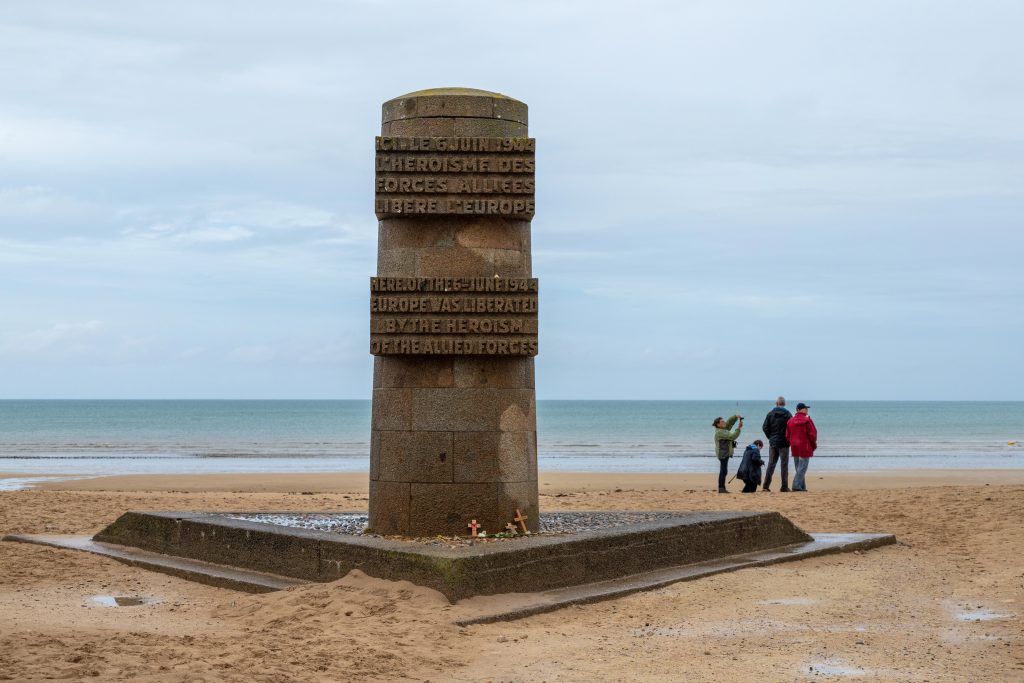
Juno Beach
Juno Beach offers a strong mix of education and reflection.
Why visit:
- excellent Juno Beach Centre museum
- focus on Canadian forces’ role
- quieter beaches compared to Omaha
It’s one of the best places for understanding the human stories behind D-Day.
🇬🇧 5. Sword Beach — Close to Caen
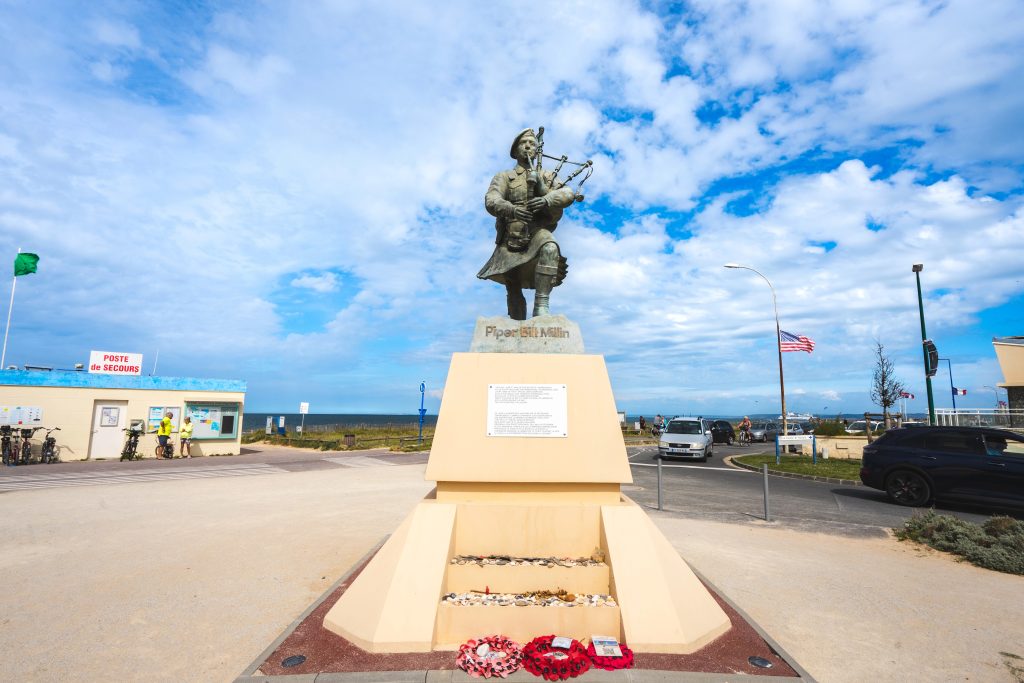
Sword Beach
Sword Beach was the easternmost landing area.
What you’ll see:
- seaside towns like Ouistreham
- memorials and plaques
- long, walkable beaches
It’s a good blend of history and everyday coastal life.
⚠️ Respectful Visiting Tips
These are not typical tourist beaches—they are memorial landscapes.
Please keep in mind:
- speak quietly near memorial sites
- avoid loud group behavior on cemeteries
- do not climb on bunkers or monuments
- dress appropriately when visiting cemeteries
- take time to reflect, not just photograph
The experience is about remembrance, not entertainment.
🪖 Must-Visit Memorial Sites Nearby
🕊️ Normandy American Cemetery
Overlooks Omaha Beach with thousands of white crosses.
🪖 Mémorial de Caen
One of France’s most important WWII museums.
⚓ Arromanches Mulberry Harbour
Where remnants of the artificial harbor still remain.
🧭 Best Way to Visit the D-Day Beaches
Suggested route:
- Utah Beach
- Omaha Beach + American Cemetery
- Gold Beach (Arromanches)
- Juno Beach
- Sword Beach
Recommended pace:
At least 2 days for meaningful exploration.
🌅 Best Time to Go
Morning:
Quiet beaches, soft light, fewer visitors.
Late afternoon:
Golden light over cliffs and memorials.
June 6 (D-Day anniversary):
Powerful ceremonies—but also the busiest time.
✨ Final Thought
The D-Day beaches are among the most moving places in Europe.
They are not just historical sites, but spaces of remembrance where the past still feels present in the wind, the sand, and the silence.
Visiting them isn’t about ticking off landmarks—it’s about understanding what happened here, honoring those who were part of it, and walking gently through a landscape that changed the course of history. 🌊🕊️🇫🇷✨
