

Master these unspoken rules and unlock a completely different side of France.
You’ve booked your flight to Paris. You’ve mapped out the Eiffel Tower, the Louvre, and that perfect café with the red awning.
But here’s what no guidebook really prepares you for: France runs on invisible social rules that can make or break your entire experience.
Miss them, and you’ll get cold stares, slow service, and that infamous French “attitude.”
Get them right, and suddenly doors open, locals smile, and you’re treated like you belong.
These aren’t just polite suggestions — they’re the cultural codes that separate tourists from travelers. Here’s everything you need to know.
🗣️ Rule #1: Greet EVERYONE (Yes, Really)
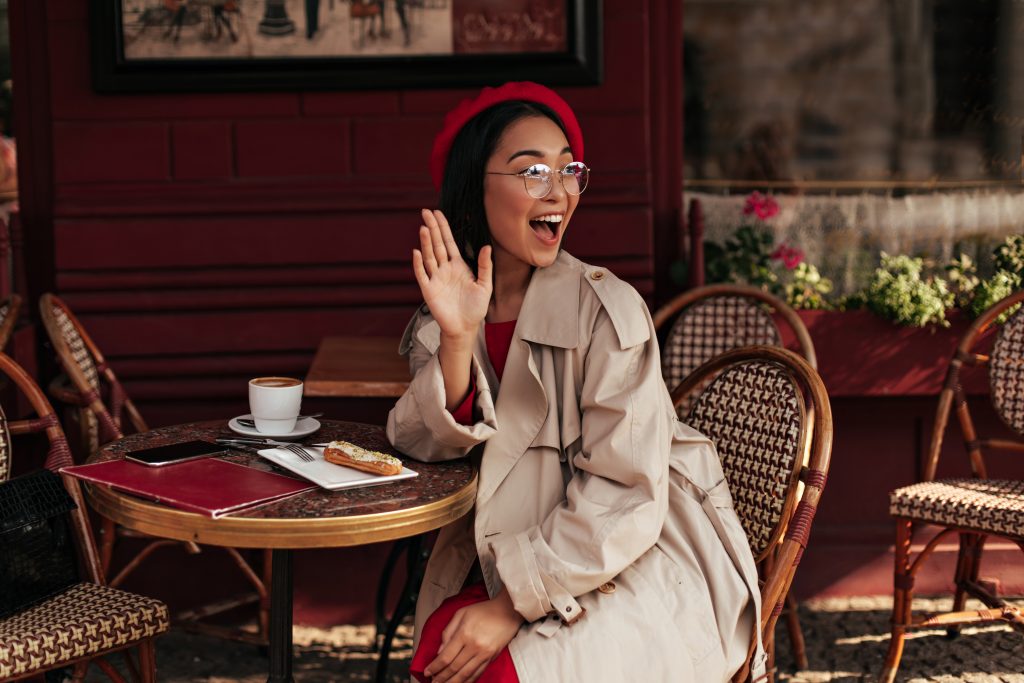
This is the foundation of all French etiquette.
“Bonjour” isn’t optional — it’s the social contract.
When you MUST say it:
- Entering any shop, café, or restaurant
- Speaking to any service worker
- Starting any conversation with a stranger
- Walking into small shared spaces (elevators, waiting rooms)
- Making eye contact with your Airbnb host
Skip it, and you’ve already failed the first test of French politeness.
The magic formula:
“Bonjour, Madame” or “Bonjour, Monsieur”
This tiny addition shows respect and instantly changes how people respond to you.
When leaving:
Always say “Au revoir” or “Bonne journée” (have a good day).
Leaving silently? That’s considered shockingly rude.
🍽️ Rule #2: Meals Are Sacred Rituals (Not Fast Food Stops)

The French don’t just eat — they dine. And there are rules.
Never start eating before:
✔️ Everyone is served ✔️ The host says “Bon appétit”
Diving in early signals impatience and disrespect for the group experience.
Your hands belong on the table
Not in your lap. Rest your wrists on the edge of the table throughout the meal.
Why? Centuries ago, hidden hands suggested you were hiding weapons. The custom stuck.
Bread goes directly on the table
Not on your plate. Not on a napkin.
Tear it with your hands (never bite directly), and use it to push food onto your fork or soak up sauce at the end.
Finish what’s on your plate
Leaving food suggests it wasn’t good. Clean plates are compliments to the chef.
☕ Rule #3: French Service Works Differently (And That’s Okay)
If you’ve ever felt ignored in a French restaurant, you weren’t — you just didn’t know the rules.
Wait to be seated
Never choose your own table. The host will guide you, even if the place looks empty.
Getting attention the right way:
Make eye contact and say “Excusez-moi” or “S’il vous plaît” calmly.
❌ Never snap fingers ❌ Never yell “Garçon!” (waiter) ❌ Never wave frantically
The bill won’t come automatically
French servers think rushing you out is rude. They’ll let you sit for hours.
When you’re ready: “L’addition, s’il vous plaît” (the check, please).
Tipping isn’t expected
Service is included in the price. Rounding up or leaving 5–10% for exceptional service is appreciated but not required.
👔 Rule #4: Dress Like You Care (Even When You Don’t)
The French judge books by their covers — and people by their clothes.
What NOT to wear:
❌ Athletic wear outside the gym ❌ Flip-flops in the city ❌ Baseball caps ❌ Shorts (unless it’s genuinely hot) ❌ Anything with giant logos
What TO wear:
✔️ Well-fitted, neutral-colored clothing ✔️ Clean, simple sneakers (not running shoes) ✔️ Scarves (they hide a multitude of fashion sins) ✔️ Layers that look effortless
The goal: Look like you tried, but not too hard.
For churches and religious sites:
Cover shoulders and knees. Bring a light cardigan or scarf for spontaneous cathedral visits.
🤐 Rule #5: Volume Control Is Non-Negotiable
If you can hear yourself across the room, you’re too loud.
Keep your voice down in:
- Restaurants and cafés
- Public transportation
- Museums and galleries
- Hotel lobbies
- Shops
Loud conversations are seen as vulgar and disrespectful to everyone around you.
The French value discretion. Blend in by speaking at a conversational volume, even when excited.
🛍️ Rule #6: Shopping Has Its Own Protocol

French retail culture is personal, not transactional.
Always greet the shopkeeper
Walk into a boutique? Say “Bonjour” immediately.
Leaving without buying? Still say “Au revoir, bonne journée.”
Don’t touch without asking
Especially in small shops. Ask “Je peux?” (May I?) before handling items.
Bring your own bag
Or pay for one. France banned most plastic bags years ago — come prepared.
🚇 Rule #7: Public Transport Etiquette Matters
The metro isn’t just transportation — it’s a shared social space with rules.
Always give up your seat for:
- Elderly passengers
- Pregnant women
- People with disabilities
- Anyone standing near priority seating
Keep it quiet:
- No loud phone calls
- No music without headphones
- No eating strong-smelling food
Most Parisians read, listen to music, or zone out during commutes. Respect the silence.
🎁 Rule #8: Gift-Giving Has Hidden Rules
Invited to a French home? Bring something small but thoughtful.
Safe choices:
✔️ Quality chocolates ✔️ Flowers (but NOT chrysanthemums — those are for funerals) ✔️ A specialty from your home country ✔️ A nice candle or tea
Risky choice:
❌ Wine — your host has already paired wines with the meal. Bringing wine suggests theirs isn’t good enough.
Presentation matters:
Give with both hands. Don’t expect gifts to be opened immediately — the French often wait until guests leave.
⏰ Rule #9: Time Is Flexible (Sort Of)
French punctuality has nuances.
For dinner parties:
Arrive 10–15 minutes late. Exactly on time catches hosts off-guard while they’re still preparing.
For business meetings:
Be on time. Professional punctuality is expected.
For meals:
Expect them to last 2+ hours. Lunch can stretch to two hours, dinner even longer. Don’t rush — savor it.
💬 Rule #10: Conversation Has Boundaries
The French love intellectual discussion but guard their privacy fiercely.
Topics to avoid early on:
❌ How much money you make ❌ Religion (unless they bring it up) ❌ Personal questions about family or relationships
Topics they love:
✔️ Art, cinema, literature ✔️ Philosophy and ideas ✔️ Food and wine ✔️ Travel experiences
“Tu” vs. “Vous”:
Always use “vous” (formal you) with:
- Strangers
- Service workers
- Anyone older
- Professional contexts
Wait for them to suggest switching to “tu” (informal you). Using “tu” too early is presumptuous.
🎯 The Ultimate French Etiquette Secret
Here it is: The French aren’t rude — they’re formal.
What looks like coldness is actually respect for boundaries and social structure.
Once you show you understand the rules, everything changes. Suddenly:
- Shopkeepers become chatty
- Waiters crack jokes
- Locals give you insider tips
- You’re treated like you belong
The key? Show effort. Speak a few words of French (even badly). Follow the customs. Respect the culture.
The French don’t expect perfection — they expect you to try.
✨ Your French Etiquette Cheat Sheet
Before any interaction: Say “Bonjour” At meals: Wait for everyone, keep hands visible In restaurants: Wait to be seated, ask for the bill Getting dressed: Look neat, avoid athletic wear In public: Keep your voice down Shopping: Greet staff, ask before touching On transit: Give up seats, stay quiet Bringing gifts: Chocolates or flowers (not chrysanthemums) Timing: 15 minutes late to dinner, on time to business Conversation: Use “vous,” avoid personal questions
The Bottom Line
French etiquette isn’t about being stuffy or pretentious — it’s about mutual respect and social harmony.
Master these rules, and France transforms from a place where you feel like an outsider to a place where you feel genuinely welcome.
Because here’s the truth: The French don’t hate tourists. They just prefer travelers who care enough to learn.
Be that traveler.
