

Let’s be honest—bathroom culture isn’t something most travel guides prepare you for. But in France, it definitely should be.
Whether it’s your first time in Paris or your tenth trip to Provence, French bathrooms will likely surprise you—sometimes in charming ways, sometimes… not so much.
From toilet seat mysteries to luxury bidets and coin-operated stalls, here are 10 things that might totally shock you about French bathrooms—so you can flush with confidence and laugh along the way.
🚿 1. Toilet Seats Are Sometimes… Missing

Yes, you read that right. One of the first bathroom surprises travelers notice in France—especially in public restrooms, highway rest stops, or small cafés—is that the toilet seat is simply… not there.
The toilet bowl is clean and functional, but the seat? Gone.
😳 Why? There’s no official explanation, but several theories float around:
- Hygiene – Some argue it’s more sanitary to remove the seat entirely rather than have one that’s never properly cleaned.
- Vandalism or theft – In high-traffic or low-budget areas, toilet seats are sometimes broken, removed, or not replaced.
- Cost-saving & low-maintenance – Fewer moving parts = fewer things to clean or repair.
Whatever the reason, it’s surprisingly normal—and not considered rude or broken by French standards.
🧻 Tip for Travelers: You may need to hover or squat (especially in public loos), so consider practicing your hover stance! Always keep a small pack of tissues or travel toilet seat covers in your day bag, just in case. Some travelers even carry a lightweight pack of disinfecting wipes for peace of mind.
💶 2. You Often Have to Pay to Pee
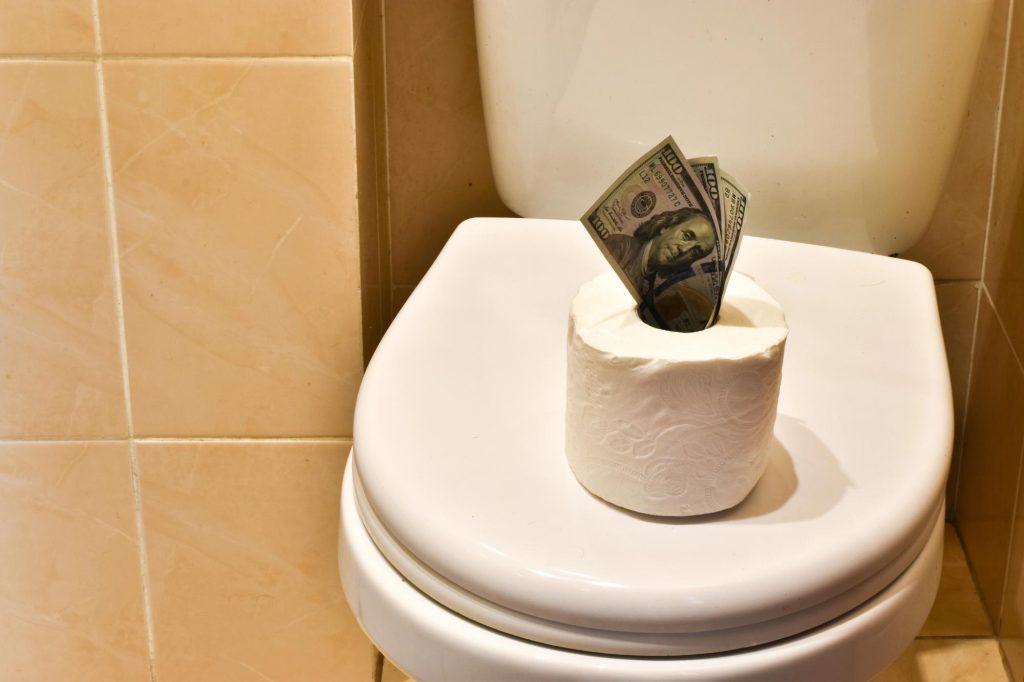
Yes, public bathrooms in France aren’t always free—and that can be a shock if you’re used to popping into a Starbucks or gas station bathroom in the U.S. without a second thought.
In many busy areas—train stations, bus terminals, department stores like Galeries Lafayette, popular tourist attractions, and even highway rest stops—you’ll encounter bathrooms that require a small fee to enter, usually between €0.50 and €1.
💡 How does it work?
- In some places, you’ll pass through a coin-operated turnstile.
- In others, there’s a bathroom attendant who collects change and keeps things clean.
- A few modern restrooms accept contactless card payment (but don’t count on it).
🪙 Why the fee? Charging for bathrooms is a way to fund cleaning and maintenance, and to discourage misuse. As a result, pay-to-use toilets in France are often much cleaner than free ones—especially in high-traffic zones.
✅ Pro Tip for Travelers:
- Always carry some euro coins—especially €0.50 and €1 pieces—in your bag or pocket.
- Don’t rely on your credit card or phone to get you in.
- If you’re in a pinch, you can usually find free restrooms at cafés or fast-food restaurants, but it’s polite (and sometimes required) to buy a coffee or pastry first.
🚻 3. Bathrooms Might Be Labeled “WC”
One thing that throws off a lot of first-time visitors? You won’t see signs that say “Restroom” or “Bathroom.” Instead, you’ll see “WC” almost everywhere—from train stations and cafés to public parks.
🔤 What does “WC” mean? It stands for “Water Closet”, an old-fashioned British term that stuck around in continental Europe long after it faded in English-speaking countries. In France, it’s still the default label for public toilets.
🧭 What else should you look for?
- “Toilettes” – the French word for toilets (used both formally and casually)
- “Les WC” – pronounced “vay-say” in French
- Icons – Many places use symbols of a man/woman or a unisex figure—especially in tourist areas
- Pictograms or signs on café walls – Sometimes subtle or hidden, especially in tiny bistros!
📸 Bonus tip: Some nicer spots (especially in Paris) have quirky or stylish restroom signs that are Pinterest-worthy in their own right—think vintage gold lettering, Art Nouveau tiles, or cheeky illustrations.
✅ Traveler Tip: If you’re not sure where the bathroom is, just ask: “Où sont les toilettes, s’il vous plaît ?” (Translation: “Where are the toilets, please?”) It’s a useful phrase—and one of the few you’ll be glad to know when urgency hits!
🚽 4. Toilet Paper? Sometimes It’s Outside the Stall
One of the more surprising quirks in older or budget-friendly public restrooms across France? The toilet paper isn’t always inside the stall.
Instead, you’ll sometimes find a communal toilet paper dispenser mounted on the wall before you walk in. That means you’re expected to tear off what you need ahead of time—yes, before you even close the door.
😬 Cue the awkward realization after you’ve already locked yourself in…
This setup is more common in:
- Rest stops along highways
- Train stations
- School or older municipal buildings
- Certain no-frills cafés or bistros
📌 Lesson learned: Before stepping into a stall, always take a quick glance around. If you spot a lone roll or wall-mounted dispenser outside the doors—grab what you need first.
🧴 5. Bidets Are Real—And Not Just in Fancy Hotels
Ah, the infamous bidet—France’s most misunderstood bathroom fixture. You’ve probably heard of it, maybe seen one in a European film, but when you actually come across one in your Airbnb or hotel? Instant confusion.
🧐 So what is it exactly? A bidet is a plumbing fixture (or add-on seat) used to clean your private parts with water after using the toilet. Think of it as a mini shower for your behind—more hygienic and eco-friendly than using toilet paper alone.
🇫🇷 In France, you’ll find two main types:
- Traditional stand-alone porcelain bidets (look like a low sink next to the toilet) — common in older homes or vintage-style hotels
- Modern bidet seats or attachments — especially in upscale accommodations or newly renovated bathrooms
💡 Not sure how to use one? You’re definitely not alone. Many American travelers skip the bidet entirely out of uncertainty or fear of doing it wrong. But locals—especially the older generation—swear by it for cleanliness and comfort.
📌 If you’re curious:
- You sit or straddle it after using the toilet
- Water rinses the area gently
- Pat dry with toilet paper or a small towel (if provided)
✅ No pressure to use it, but if you want the full “when in France” experience, give it a try—you might never go back.
🛁 6. Showers Might Not Have Full Enclosures
Step into a French hotel bathroom—especially in older or budget-friendly places—and you might find yourself face-to-face with a bathtub + handheld shower head combo… but no curtain, and no full glass door.
😲 Cue confusion (and a slightly soggy floor).
This setup is surprisingly common across France and much of Europe. Often, you’ll see:
- A deep bathtub
- A handheld shower sprayer mounted low on the wall
- No curtain, or just a small half-panel of glass that doesn’t cover the full tub
Why? It’s partly due to plumbing traditions, partly aesthetic minimalism, and maybe even a dash of c’est la vie. Many older hotels were retrofitted for showers long after they were built.
💧 How to survive the splash zone:
- Sit or crouch slightly when using the handheld shower
- Angle the sprayer downward toward the drain
- Keep a towel nearby—just in case things get a little enthusiastic
📸 Bonus: This quirky bath setup is totally Pinterest-worthy with its vintage tiles, brass fixtures, and charming impracticality. Just maybe… bring flip-flops.
🚪 7. Public Bathroom Doors Don’t Always Lock Well
In some older French establishments—especially charming countryside restaurants or tiny mom-and-pop cafés—the bathroom situation can feel… a bit rustic.
You might open the door to discover:
- A door that doesn’t fully close or align
- A lock that’s missing, broken, or suspiciously vintage
- Or a creative “lock” like a hook latch, bolt, or even a chair propped against the door
🪄 It’s not always glamorous, but it’s part of the French countryside charm. These places often prioritize good food and warm ambiance over bathroom hardware upgrades.
✅ What to do:
- Check the door before committing—give it a gentle tug or test the lock if there is one
- Bring a tissue pack and your best balancing skills
- If in doubt, ask the staff—they’ll often explain how to secure the door (or just smile knowingly)
😂 And if all else fails? Hold the door shut with your foot and keep your sense of humor intact. You’re not the first traveler to navigate a quirky French loo!
📸 Bonus idea: This kind of “bathroom culture shock” makes for great travel stories—just maybe wait until you’re back at the table to tell it.
👥 8. Men & Women Sometimes Share the Sink Area
One of the most unexpected cultural quirks for American travelers: co-ed public bathrooms where the toilet stalls are separate by gender, but the sink area is shared by everyone.
Yep—men and women washing hands side by side, sometimes even fixing their hair or freshening up together. You’ll often see this setup in:
- Train stations
- Cafés and restaurants (especially in cities)
- Shopping centers or airports
🧼 While it might feel a little awkward at first (hello, eye contact with strangers while sudsing up), it’s completely normal in France. The French are generally unfazed by this—it’s practical, efficient, and not a big deal.
✅ Pro Tips for First-Timers:
- Keep your cool—there’s no need to panic or apologize
- Just smile, wash your hands confidently, and move on
- Don’t expect privacy like in American restrooms—it’s more about function than personal space
💡 It’s one of those “welcome to Europe!” moments that feels odd at first but becomes second nature by the end of your trip.
🧼 9. Bring Your Own Soap or Sanitizer

While most French bathrooms are clean and functional, don’t be surprised if you find one without soap at the sink—especially in rural areas, older cafés, or small train stations.
It’s not a hygiene crisis—just a bit of inconsistent upkeep. Some places run out and don’t restock quickly; others never offer soap to begin with (especially if it’s a tiny WC tucked behind a bar or café).
😬 And yes, this includes spots where you had to pay to use the restroom. Go figure!
✅ Traveler survival tip:
- Always carry a travel-size hand sanitizer or a mini bar of soap in your bag
- A small pack of wet wipes can also be a lifesaver
- Avoid public restroom regret—be prepared, and you’ll feel 10x better post-pit stop
👜 This is one of those tiny travel hacks that makes a big difference—especially after a day of markets, metros, and macarons.
🏨 10. Hotel Bathrooms Can Be Gorgeous or Tiny
French hotels have a special way of blending historic charm with space-saving quirks—and their bathrooms are no exception.
You might step into a Pinterest-perfect marble sink with vintage brass faucets, intricate tilework, and soft natural light streaming through a window. A bathroom made for a photoshoot!
Or… you might find yourself in a shoebox-sized shower stall—think phone booth dimensions—where turning around gracefully is a skill you’ll quickly master.
🚿 These cozy spaces are especially common in:
- Boutique hotels
- Historic buildings converted to lodging
- Charming B&Bs and inns
📸 Either way, it’s part of the French travel story—and definitely a moment worth sharing with friends back home.
🚿 Final Thoughts
French bathrooms may be different from what you’re used to—but that’s part of the adventure. With a little prep and a good sense of humor, you’ll handle it all like a pro.
✨ Save this post for your next trip to France—your bladder will thank you!
